


AirAsia Flight D7221 Faces Mid-Air Emergency Over Pacific, Diverts to Brisbane After Technical Issue Sparks Panic Among Passengers, Raising Safety Concerns
AirAsia Flight D7221 Faces Mid-Air Emergency Over Pacific, Diverts to Brisbane After Technical Issue Sparks Panic Among Passengers, Raising Safety Concerns
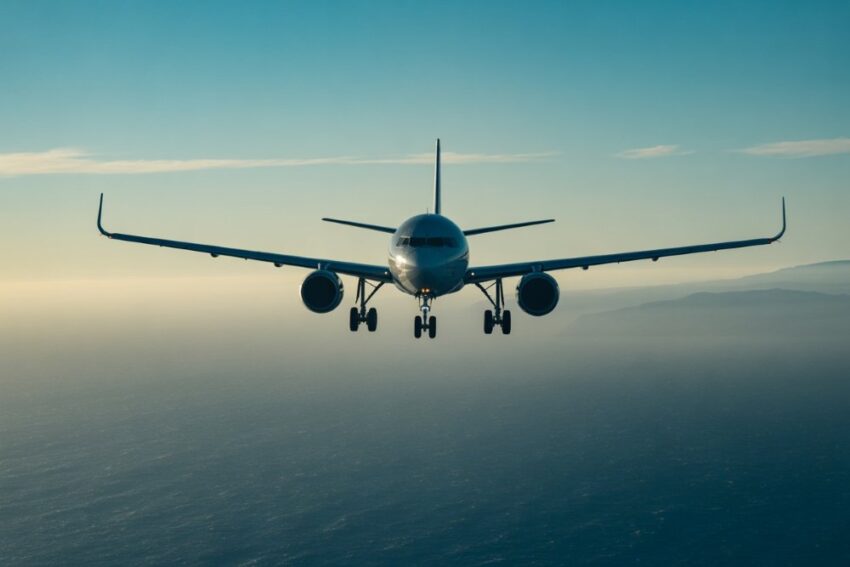
On the evening of February 8, 2026, AirAsia Flight D7221 faced a mid-air emergency shortly after taking off from Sydney. Just two hours into its journey across the Pacific towards Kuala Lumpur, a technical issue prompted the aircraft to make an unexpected diversion to Brisbane. The distress signal, known as squawk 7700, was transmitted during the flight, sparking panic among passengers. As the Airbus A330 turned back, passengers were left anxious about the nature of the emergency. The flight, which was initially bound for Malaysia, now remains grounded in Brisbane. This unexpected mid-air emergency raises concerns about the airline’s safety protocols and the specific cause of the technical issue.
AirAsia has yet to provide further details, leaving many to wonder what went wrong during this alarming incident. This unexpected turn of events has certainly made waves, adding uncertainty to the airline’s already strained reputation.
The Moment of Panic: Flight D7221’s Emergency Turnaround
The emergency began when Flight D7221 sent out a “squawk 7700” signal, a standard distress call used internationally to indicate a general emergency. This unsettling signal was detected by aviation tracking service, Flight Radar, at around 9:00 PM local time. For passengers on board, this sudden shift in the flight’s route would have been a moment of panic.
The Airbus A330, which is typically used for long-haul flights, was just two hours into its journey when it turned back. The aircraft, which had taken off from Sydney Kingsford Smith Airport, was forced to fly over the eastern coastline of Australia before making an unscheduled descent into Brisbane, far from its intended destination. Passengers aboard the flight were likely left in limbo, uncertain of what exactly had caused the mid-air emergency.
Despite the tension and concern surrounding the emergency, AirAsia has refrained from disclosing the specific nature of the “technical issue” that triggered the emergency signal. At this stage, there is no further information on the precise cause of the technical malfunction, leaving passengers, aviation experts, and the public to speculate on the potential causes of the event.
Brisbane Airport Becomes the Unlikely Stopover
As a result of the emergency, the aircraft was diverted to Brisbane Airport, which became an unexpected stopover for the passengers aboard Flight D7221. The Airbus A330 remains grounded at Brisbane as the airline’s technical team works to investigate the cause of the issue. The Australian airport, known for handling international flights with ease, now serves as a temporary base for an aircraft that was initially on its way to Malaysia.
Brisbane Airport, which sees regular international arrivals, is now dealing with the logistics surrounding the emergency, with airport staff and AirAsia personnel coordinating efforts to manage the situation and rebook affected passengers on alternative flights. The airline is expected to provide more updates on the incident in the coming days. As it stands, AirAsia has yet to release any further information regarding the situation’s resolution or the estimated timeline for repairs.
AirAsia’s Safety Track Record and Customer Concerns
Despite this latest scare, AirAsia has earned accolades for its safety performance in recent years. The airline was named the “World’s Best Low-Cost Airline” for 2025 by AirlineRatings, a renowned aviation safety and product rating service. AirAsia’s safety standards have generally been praised, and the carrier has become a popular choice for budget-conscious travelers. However, this incident raises questions about the airline’s ability to balance its safety record with concerns surrounding its customer service reputation.
Over the years, AirAsia has faced a growing divide between its safety ratings and its customer satisfaction scores. Many online comments and reviews from passengers suggest dissatisfaction with certain aspects of the airline’s service, especially in terms of communication, customer care, and the reliability of its operations. While the airline has made significant strides in recent years to address these concerns, incidents like the one involving Flight D7221 continue to cast doubt on whether AirAsia can effectively close this gap.
The Financial Struggles and Restructure of AirAsia
To complicate matters, the airline has been grappling with substantial financial difficulties. AirAsia, which has consistently struggled with a significant debt load, recently reported debts in the range of $715 million to $860 million. These ongoing financial challenges have pushed the airline into a major restructure. The company has been attempting to regain its financial footing by consolidating operations, cutting costs, and seeking new sources of revenue.
As of January 2026, AirAsia X, the airline’s long-haul subsidiary, was officially renamed as simply “AirAsia” as part of its rebranding efforts. This reorganization is seen as a necessary step to address the challenges the airline is facing, including financial restructuring and streamlining its operations to stay competitive in a difficult market. Despite these efforts, questions remain about whether AirAsia’s financial troubles could ultimately affect its ability to maintain service standards and ensure the safety of its passengers.
Looking Ahead: What Passengers Need to Know
For travelers flying with AirAsia in the future, the recent incident with Flight D7221 serves as a reminder to be prepared for potential disruptions. While the airline’s safety record remains strong, passengers are encouraged to stay informed about the latest developments and be prepared for any changes to their travel plans in the event of unforeseen technical issues.
AirAsia is expected to release an official statement regarding the flight’s emergency and will likely provide guidance on what passengers should expect moving forward. For those affected by the diversion to Brisbane, the airline is working to resolve the situation by rebooking passengers onto alternative flights to Kuala Lumpur or other destinations.
AirAsia’s Commitment to Safety and the Road Ahead
As AirAsia navigates through its financial restructure and the aftermath of the emergency incident, the airline remains focused on maintaining its safety standards. Despite the setbacks faced by the company, including its debt challenges and customer service concerns, AirAsia continues to be a key player in the budget airline industry.
It is essential for the airline to address the incident surrounding Flight D7221 with full transparency and provide clear communication to its passengers. As the investigation into the technical issue progresses, passengers and the broader aviation community will be watching closely to see how the airline handles the situation and whether it can maintain its reputation for safety and reliability.
Source: Flightradar24, The Canberra Times
The post AirAsia Flight D7221 Faces Mid-Air Emergency Over Pacific, Diverts to Brisbane After Technical Issue Sparks Panic Among Passengers, Raising Safety Concerns appeared first on Travel And Tour World.
Source: travelandtourworld.com



Sorry, the comment form is closed at this time.