


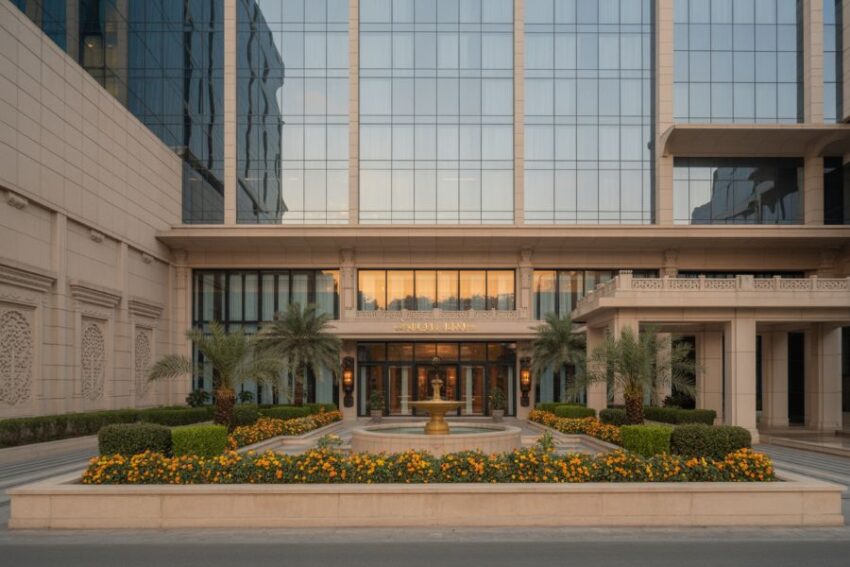
Tamara Leisure Experiences to Add Nine New Properties by 2030, Transforming Key Tourism Markets: Everything You Need to Know
Tamara Leisure Experiences to Add Nine New Properties by 2030, Transforming Key Tourism Markets: Everything You Need to Know
India’s dynamic hospitality and tourism sector is poised for further growth as Tamara Leisure Experiences detailed its expansion blueprint that targets launching nine new properties across diverse segments by 2030. This strategic move marks a substantial acceleration in hospitality offerings, aiming to meet rising travel demand across domestic and international visitor segments. Official planning and industry insights indicate that the expansion will broaden experiential travel choices across multiple destination categories nationwide.
Under its long-term vision to 2030, Tamara Leisure Experiences plans to nearly double its existing room inventory by adding around 600 rooms to its current portfolio of 600 rooms spread over 8 properties. These new sites include luxury eco-resorts, specialized midscale brands, and modern business-leisure configurations to meet the changing traveler needs of the growing tourism sector in India.
The proposed expansion strategy involves a planned entry into growing faith-led tourism, eco-sensitive, and coastal pilgrimage zones that have shown sustained travel patterns. Combined, these market segments are essential in today’s rapidly evolving travel consumer behaviour.
Destination Citations Indicate a Broader Market Diversification
The new developments are proposed in several Indian destinations, including cultural, natural, and spiritual tourism. Projects include a luxury eco-resort in Kaziranga, Assam, and an ultra-luxury houseboat in Alleppey, Kerala, which are both expected to change the way backwater hospitality is offered. Other destinations include Bodh Gaya, a significant global pilgrimage center, and Whitefield, a thriving leisure and business hub near Bengaluru.
A strategic shift has been made regarding operational footprints, as these developments indicate diversification within the company’s own hospitality offerings, such as the growing national presence outside of the South Indian markets. Effective commercial strategies indicate that the integration of tourism infrastructure within the socio-economic layers of a region encourages the spatial distribution of tourism demand, and the placement of hospitality products within identified demand regions is a catalyst in the continued evolution of sustainable tourism.
New Brands and Creative Hospitality Models
In the company’s next launches, new brands will be introduced and existing brands will be extended to varying demand. New midscale leisure brands will open in coastal and pilgrimage locations like Velankanni, Kufri, and Kannur. Additionally, a business and leisure segment is being planned in select cities and transit-oriented markets to cater to business and tourism.
In combination with conventional accommodation, the company will also enter wedding and events hospitality in partnership with a ceremonial space operator in Madurai to offer culturally specific services. This cross-segmented strategy will create greater structural diversity within the tourism ecosystem.
Investment Outlook and Development Timeline
Looking at property planning and market analysis, it seems that new assets will mainly go under fully owned and operated models, with a small minority positioned under asset-light models to optimize capital deployment. While investment numbers are still being finalized for some projects, each development is scheduled to be operational by 2028 and 2030.
With continued investment & development, there is a strong confidence in India’s tourism. The National Tourism Policy & India’s Infrastructure Plan will further support tourism by enhancing & developing Regional Travel Corridors & integrating Sustainable Travel Solutions.
Holistic Growth Amid India’s Tourism Surge
The national tourism policy is shifting India’s place in a rapidly evolving global tourism landscape. This investment is a positive signal for India’s growing long-term tourism potential. Tamara Leisure Experiences is participating further in India’s increasingly demanding hospitality sector. Improved connectivity and tourism infrastructure are critical to positioning India optimally on the global tourism map.
India is getting closer to achieving its goals for tourism in 2030. New lodging options will add to customer experience and economic opportunities for travelers and local businesses. From the wildlife sanctuaries in Assam to the backwaters of Kerala, travelers will find new interest in India’s diverse and planned integrated wilderness while expanding hospitality for travelers in India’s different cultures. 2026 will mark the start of India’s planned expansion of hospitality.
The post Tamara Leisure Experiences to Add Nine New Properties by 2030, Transforming Key Tourism Markets: Everything You Need to Know appeared first on Travel And Tour World.
Source: travelandtourworld.com



Sorry, the comment form is closed at this time.