


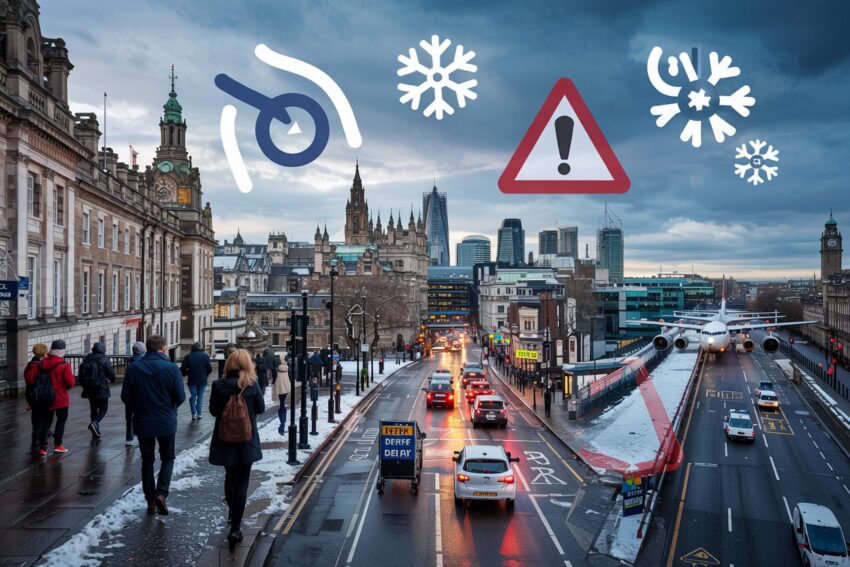
UK Winter Weather Disruptions Impact Tourism in London, Edinburgh and Manchester
UK Winter Weather Disruptions Impact Tourism in London, Edinburgh and Manchester
London, United Kingdom: Winter Weather Slows Tourism Momentum
The United Kingdom is currently experiencing a strong spell of winter weather, bringing low temperatures, heavy cloud cover, rainfall, and an elevated risk of snow and ice across multiple regions. While cold weather is expected during the winter season, the current conditions highlight how quickly weather instability can disrupt travel movements and affect tourism performance.
London, one of the world’s most visited cities and the United Kingdom’s primary tourism gateway, is seeing milder weather compared to northern regions. However, even moderate winter disruptions in the capital can create major tourism and transport effects due to London’s high tourist volume and dense travel infrastructure.
The national weather monitoring system has indicated widespread winter risks, including icy roads and snow warnings. These conditions can lead to delays and safety concerns, particularly for visitors unfamiliar with UK winter travel conditions.
For London, the immediate tourism effects include reduced outdoor sightseeing comfort. Attractions that rely on open-air visitor flow, such as bridges, riverside walks, historic squares, and panoramic observation points, often experience lower footfall during damp, cold, and windy days.
At the same time, London’s indoor tourism economy tends to gain momentum. Museums, galleries, shopping centres, indoor entertainment venues, and heritage attractions become more appealing as visitors shift their plans away from outdoor exploration.
The city remains fully operational, but the tourism rhythm becomes slower, with tourists often shortening walking itineraries and spending more time inside public transport networks, restaurants, and indoor attractions.
Manchester, United Kingdom: Rain, Wind, and Reduced Visitor Comfort
Manchester, a major tourism and business city in northern England, is experiencing colder temperatures and frequent rainfall, along with strong winds and grey skies. While the snow risk in Manchester is lower compared to Scotland, wet winter weather can still create significant discomfort for travellers and impact mobility.
Manchester is a growing tourism destination known for its music culture, football tourism, industrial heritage, shopping districts, and event-driven travel. However, the city’s tourism experience depends heavily on walkable exploration, local transport efficiency, and regional connectivity.
Cold rain and wind reduce visitor motivation to explore outdoor streets, cultural quarters, and public squares. Walking tours and casual sightseeing routes become less attractive, especially for international tourists expecting a more comfortable urban travel experience.
Another major factor is Manchester Airport, one of the United Kingdom’s busiest airports outside London. When winter weather affects airport scheduling, delays can disrupt both international arrivals and domestic connections. Even small operational slowdowns can cause major scheduling ripple effects across flight networks.
In addition, Manchester often serves as a gateway for tourists travelling to nearby destinations such as the Lake District, Peak District, and other northern England attractions. Poor weather conditions can reduce the demand for day trips and regional excursions, limiting tourism spending outside the city.
While Manchester remains accessible and functional, winter conditions weaken its appeal for short leisure breaks and reduce spontaneous tourism movement.
Edinburgh, Scotland: Snow and Ice Risks Create Strongest Tourism Disruption
Edinburgh is currently the most impacted city among the three major destinations. Located in Scotland, Edinburgh experiences harsher winter conditions, and current weather patterns show an increased likelihood of freezing temperatures, snow accumulation, and icy surfaces.
Edinburgh is one of the United Kingdom’s most iconic tourism destinations, attracting visitors for its castle views, medieval streets, historic monuments, winter festivals, and literary heritage. The city also plays a vital role in Scotland’s tourism economy and serves as a major entry point for international travellers heading into the Highlands.
However, snow and ice present significant challenges for Edinburgh’s tourism operations.
When pavements and roads freeze, walking becomes difficult and risky. This is particularly important in Edinburgh because many major attractions are located on slopes, stone pathways, and elevated viewpoints. Routes near Edinburgh Castle and the Royal Mile may become slippery, causing visitors to reduce outdoor travel plans.
Road conditions also impact tour operators offering day trips to scenic Scottish destinations. Winter tours to Highland landscapes, lochs, and remote historic sites become harder to operate safely.
Rail services connecting Scotland with England are also vulnerable to winter disruption. When rail routes face delays, tourists travelling between Edinburgh and major English cities may be forced to reschedule or cancel parts of their itinerary.
Edinburgh Airport is another key factor. When runways face icy conditions, flight delays and cancellations become more likely, which directly affects tourism inflow and international connectivity.
Edinburgh’s winter scenery can still attract tourists looking for seasonal charm. However, uncertainty in transport reliability and mobility limitations makes the city face the highest level of tourism disruption during the current winter spell.
United Kingdom as a Global Tourism Gateway
The United Kingdom is not only a top tourist destination but also a major international aviation and travel hub. Its airports, rail networks, and road connections support millions of travellers moving between Europe, North America, Asia, and the Middle East.
London Heathrow, Gatwick, Manchester Airport, and Edinburgh Airport play major roles in global travel connectivity. Because of this, disruptions in the United Kingdom often create international ripple effects far beyond British borders.
Winter weather is especially influential because it impacts multiple parts of the travel chain at the same time. Flights, rail lines, roads, and public transport systems may all experience slowdowns during icy weather conditions.
For tourists, this means winter disruption in the UK is not only a local inconvenience but also a global travel concern, especially for those using British cities as transit hubs.
Flight Delays and Aviation Ripple Effects
One of the strongest impacts of winter weather is seen in aviation performance. Airports must follow strict safety protocols during icy conditions, and operations can slow down due to de-icing requirements, runway safety checks, and reduced visibility.
When flights are delayed in the UK, the consequences extend into global airline scheduling systems. Many flights operate in tightly timed sequences, meaning one delayed arrival can affect multiple departures later in the day.
This can lead to missed connections for international passengers. Travellers connecting through London, Manchester, or Edinburgh may miss onward flights to Europe or long-haul destinations.
Flight disruptions also lead to congestion at other airports. When passengers are rerouted, alternative hubs in nearby European countries may become overloaded, creating broader disruption in the international travel market.
For global tourism, this is significant because travellers may lose confidence in winter travel planning. Some tourists may delay trips or shift their holiday plans to more predictable climates.
Hotel and Hospitality Sector Impact
The hospitality industry in the United Kingdom depends heavily on steady tourist movement, especially in major cities.
When weather conditions create uncertainty, tourists often shorten stays or avoid spontaneous travel. This reduces hotel occupancy rates, particularly for leisure travellers.
Restaurants, cafes, entertainment venues, and local tour operators also experience reduced business. Travellers may limit outdoor dining and reduce sightseeing activities, which lowers daily tourism spending.
At the same time, indoor venues may see higher demand. Museums, galleries, cinemas, theatres, and shopping centres often benefit as tourists seek warmer environments. However, this does not fully compensate for the overall slowdown in tourism movement, especially when transport disruptions limit visitor mobility.
In cities like Edinburgh, where winter tourism often depends on historic walking routes and panoramic city exploration, the economic impact can be especially noticeable.
Tour Operators and Package Tourism Challenges
Tour operators face additional pressure during winter disruption. Multi-city itineraries that include London, Manchester, and Edinburgh are common for international travellers visiting the UK.
When one destination becomes harder to access due to snow or flight cancellations, entire travel packages may be altered.
Tour operators may need to reschedule transportation, shift hotel bookings, and adjust guided itineraries. This increases operational costs and can reduce profit margins.
Tourists travelling in groups may also choose to cancel trips entirely if they believe weather disruption will limit the quality of the travel experience.
This has an immediate economic effect, especially for tourism businesses that rely on pre-booked winter travel groups.
Domestic Travel Disruptions and Local Tourism Decline
Winter weather disruption affects domestic tourism as well.
Local travellers often cancel weekend breaks when road and rail conditions become uncertain. Cities like London and Manchester benefit greatly from domestic weekend tourism, especially during shopping seasons and sports events.
Edinburgh also attracts domestic tourists for cultural breaks, heritage travel, and seasonal experiences. However, if icy conditions increase safety risks, many travellers choose to delay their trip until conditions improve.
This reduction in domestic travel can significantly affect tourism revenue because local visitors often fill hotels and attractions during the winter months when international tourism is naturally lower.
Tourism Safety and Visitor Behaviour Changes
Winter conditions change tourist behaviour in several ways.
Visitors often:
Reduce walking distance and outdoor sightseeing time
Shift travel schedules to later in the day
Spend more on indoor attractions
Cancel day trips into rural areas
Avoid destinations with uncertain transport reliability
For international travellers unfamiliar with UK winter infrastructure, even minor disruptions can feel more severe. This can lead to stress, itinerary disruption, and reduced satisfaction with the overall travel experience.
For destinations like Edinburgh, where winter weather can turn scenic streets into icy walking zones, safety concerns become a major factor influencing tourism patterns.
Climate Patterns and the Growing Tourism Challenge
Winter weather disruption is becoming a more frequent concern in tourism planning worldwide. Climate unpredictability has increased the need for stronger resilience strategies.
In the United Kingdom, sudden cold spells, storms, and temperature drops create operational challenges for transport authorities and tourism businesses.
Tourism stakeholders must invest in better preparedness, including:
Enhanced airport winter operations and runway treatment systems
Improved rail and road maintenance capacity
Emergency response planning for tourism zones
Better communication systems for travellers and visitors
Government-led weather warnings and travel advisory systems play an important role in helping tourists understand risk levels and plan responsibly.
How Winter Disruption Can Shift Global Tourism Trends
When winter disruption becomes frequent, tourists begin adjusting their long-term travel preferences.
Some travellers may increasingly choose destinations with more stable winter climates. Southern European countries, coastal tourism regions, and warmer city destinations may see increased demand as tourists avoid colder northern travel during winter months.
This shift can affect the United Kingdom’s tourism economy, especially for cities that rely heavily on winter cultural tourism and festive travel.
At the same time, some niche travellers may still be drawn to winter landscapes, particularly in Scotland, where snow can enhance the scenic appeal of historic destinations. However, this type of tourism depends on transport reliability and safe access.
The balance between winter charm and winter disruption will increasingly define how UK tourism markets itself in future seasons.
London, Edinburgh, and Manchester: Different Tourism Impacts, One Connected System
The current winter weather spell is affecting London, Edinburgh, and Manchester in different ways, but all three are connected through the national travel network.
London faces milder disruption but experiences a high sensitivity due to global airport traffic and the volume of tourists. Manchester faces persistent rain and reduced visitor comfort, impacting both city tourism and regional day trips. Edinburgh is dealing with the most severe winter risks, including snow and ice that directly disrupt outdoor tourism and transport access.
Because these cities function as tourism gateways and travel hubs, their disruptions do not remain local. They spread across airline systems, rail schedules, travel itineraries, and even international holiday planning decisions.
A Wider Tourism Outlook for the United Kingdom
The current winter weather conditions demonstrate that tourism is closely linked to climate stability and transport resilience.
The United Kingdom remains one of the world’s most important tourism destinations, but winter disruption highlights the need for improved preparedness and adaptable tourism planning.
Tourism businesses that offer flexible booking policies, provide clear visitor guidance, and strengthen indoor attraction marketing are better positioned to manage seasonal disruption.
For travellers, winter tourism in the UK continues to offer cultural richness and iconic city experiences, but it increasingly requires careful planning, real-time monitoring of weather alerts, and greater flexibility in travel scheduling.
The UK winter may be seasonal, but its influence on tourism remains deeply connected to the global travel system.
The post UK Winter Weather Disruptions Impact Tourism in London, Edinburgh and Manchester appeared first on Travel And Tour World.
Source: travelandtourworld.com



Sorry, the comment form is closed at this time.