


Spa, Belgium: How the Historic ‘Original Spa’ Became the Heartbeat of the Global Wellness Revolution
Spa, Belgium: How the Historic ‘Original Spa’ Became the Heartbeat of the Global Wellness Revolution
Nestled in the lush hills of eastern Belgium, Spa stands as a timeless beacon of wellness and self-care, attracting visitors for centuries. But this charming town isn’t just known for its serene landscapes—it’s the original spa town that gave the world both its name and the foundations of the global wellness tourism industry. As Spa’s mineral springs continue to draw travelers from every corner of the globe, it’s a reminder that this destination’s impact on health, leisure, and relaxation has shaped a thriving industry that reaches far beyond its picturesque town limits.
From Ancient Romans to Modern Wellness: Spa’s Legendary Mineral Springs
Long before luxury spas became a global trend, Spa, Belgium was already recognized for its therapeutic mineral springs that date back to Roman times. These waters were first recorded by Pliny the Elder, who described the healing properties of the springs in the 1st century. However, while the town’s name is often thought to come from the Latin phrase sanitas per aquam (“health through water”), historians suggest a Germanic origin—terms like spau, spaha, or spaw, meaning bubbling or gushing water. This ancient name later spread across the Roman Empire, eventually becoming synonymous with health‑focused water therapy.
The springs, rich in minerals like iron and sodium chloride, have remained at the heart of Spa’s appeal, still attracting those seeking rejuvenation and healing. Visitors drink the waters for their health benefits, a practice known as drinking therapy, and some still experience the waters’ distinctive metallic, sharp taste—which was historically seen as a sign of potency.
18th Century Aristocracy: How Spa Became Europe’s Elite Health Resort
By the 18th century, Spa had evolved from a small Roman retreat into one of the most fashionable health resorts in Europe, attracting aristocrats, artists, and intellectuals. The town’s new status as a European hotspot can be credited to Peter the Great, who famously visited in 1717 seeking relief for his health issues. His month-long stay boosted Spa’s reputation across Europe, and soon it was a must-visit for royalty and nobility from across the continent.
The Grand Municipal Baths, constructed in 1868, symbolized Spa’s evolution into a luxurious destination where visitors didn’t just come to drink the water—they came for immersive bathing experiences, socializing, and entertainment in addition to therapeutic treatments. The town’s popularity soared, with figures like Voltaire, Descartes, and Charles II frequenting the town, cementing Spa’s status as a symbol of high society wellness.
Modern Spa: Reimagining the Original Wellness Destination
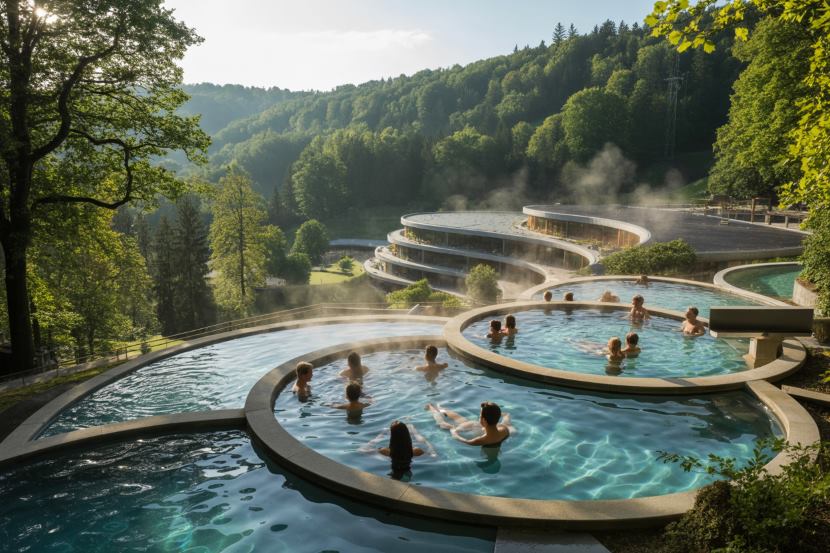
Today, Spa, Belgium, is more than just a historical landmark. The Les Thermes de Spa, a contemporary thermal complex, offers modern treatments while maintaining the traditions of the past. Surrounded by the forested hills of the Ardennes, this luxurious facility continues the town’s legacy by offering a range of spa treatments, jacuzzis, hammams, and thermal pools. Guests can experience the very waters that have shaped the town’s health culture for centuries, floating in warm, therapeutic waters while looking out over the tranquil landscape.
In addition to its wellness offerings, Spa continues to serve as a cultural and heritage destination. The Musée de la Ville d’Eaux (Museum of the City of Waters) tells the story of the town’s thermal history, showcasing how it transformed from a quiet Roman settlement to the heart of European health and leisure.
UNESCO World Heritage: Spa’s Cultural Significance Recognized Globally
Spa’s influence isn’t just confined to Belgium. In 2021, the town, alongside other European spa towns, was inscribed on the UNESCO World Heritage List as part of The Great Spa Towns of Europe. This recognition emphasizes the cultural and historical importance of towns like Spa, which played a pivotal role in shaping the modern concept of wellness tourism. The UNESCO designation highlights the town’s rich architectural and social history, from the early drinking halls to the grand baths that define its aesthetic and cultural significance.
This prestigious status helps attract more international tourists, eager to explore the town’s past while indulging in modern wellness practices. The inclusion of Spa on the World Heritage list has solidified its place not just as a spa destination, but as a living cultural monument to health and self-care traditions.
Spa’s Wellness Influence on Modern Travel and Self-Care Culture
The influence of Spa, Belgium on the modern wellness tourism industry is undeniable. From thermal resorts in Asia to luxury spas in North America, Spa’s traditions of hydrotherapy and self-care laid the foundation for the wellness tourism boom that continues to shape global travel. Today, the word “spa” is synonymous with relaxation, healing, and luxury, a concept that originates from this humble Belgian town.
As the wellness industry grows, Spa remains a leading destination for those seeking the therapeutic power of water, whether through mineral springs, thermal treatments, or relaxation in nature. The ongoing preservation of Spa’s historical sites and the integration of modern wellness practices ensures that the town will continue to thrive as both a heritage site and a wellness retreat for generations to come.
A Global Wellness Destination: What Visitors Can Expect Today
Visitors to Spa can enjoy more than just its iconic thermal baths. The surrounding area offers plenty of opportunities for hiking, cycling, and exploring the natural beauty of the Ardennes. Spa’s rich cultural heritage is also on display at the town’s historic sites, where travelers can learn about the town’s transformation from a Roman water site to a European health haven. Modern visitors also have the chance to explore luxury accommodations, dine in gourmet restaurants, and visit the Les Thermes de Spa for a full wellness experience.
For wellness tourists looking to delve deeper into the roots of modern spa culture, Spa, Belgium offers a rare opportunity to connect with the origins of the global self-care movement while enjoying the best of what contemporary wellness has to offer.
The post Spa, Belgium: How the Historic ‘Original Spa’ Became the Heartbeat of the Global Wellness Revolution appeared first on Travel And Tour World.
Source: travelandtourworld.com



Sorry, the comment form is closed at this time.