


The Rise of History Fangirls: How China’s Ancient Tombs Became the Newest Luxury Travel Destinations
The Rise of History Fangirls: How China’s Ancient Tombs Became the Newest Luxury Travel Destinations
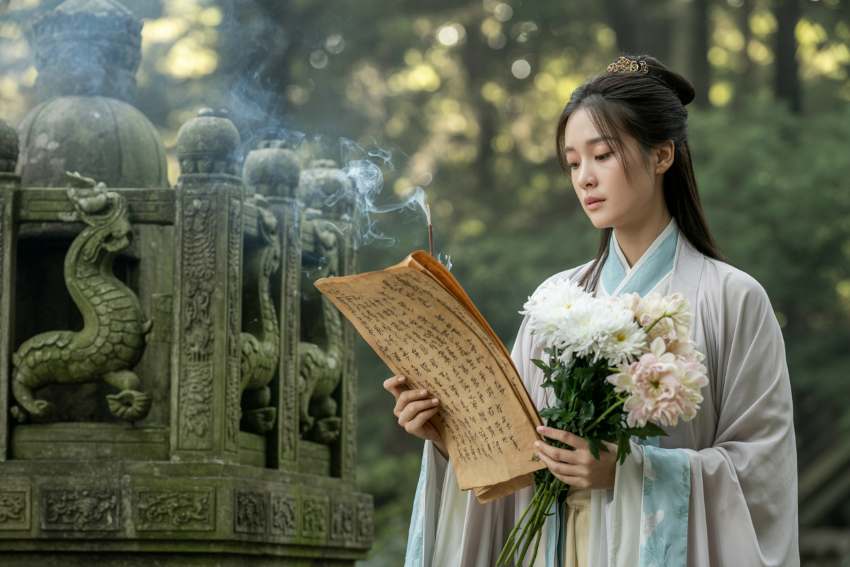
In the quiet, mist-shrouded corners of China, a profound cultural shift is taking place as a burgeoning community forms an intensely personal bond with the country’s storied past. This movement is led by a demographic known as “history fangirls”, who see the remnants of ancient dynasties not as cold stone relics, but as living extensions of their own identities. Through this lens, history is no longer confined to the dusty shelves of academia; rather, it is being revitalised through frequent museum visits, the creation of contemporary literature, and an insatiable desire for historically themed merchandise.
The scale of this phenomenon was highlighted by the travels of a prominent online figure known as Bufashi, who visited fifty-two different gravesites in a single year. Remote mountain ranges and dense forests were traversed in a dedicated search for the final resting places of ancient figures. These solo expeditions are seen as more than just acts of remembrance; they are viewed as conduits for establishing connections with long-dead idols whose legacies continue to influence the modern world.
From Fanfiction to Footsteps: The Evolution of a Trend
The initial momentum for this movement was gained last April during the Ching Ming Festival. At that time, images were shared online by young travellers who were documented leaving unconventional tributes at various mausoleums. Rather than traditional incense, painkillers and modern snacks were offered to ancient generals, while fine wine and delicate calligraphy brushes were presented to celebrated poets. The term “history fangirls” was adopted from the lexicon of fanfiction culture, where it serves as a mark of respect and community belonging.
This trend has since catalyzed a nationwide wave of historical nostalgia. On various digital platforms, topics related to these pilgrimages have been viewed more than 210 million times. One of the primary beneficiaries of this attention is Mount Beimang in Luoyang, a site historically recognized as a central political hub. Because more than forty emperors and thousands of noble figures were interred there, the mountain has been transformed into a primary pilgrimage site for these modern devotees.
Cultural Devotion and the Economics of Nostalgia
The lengths to which these travellers will go are exemplified by the story of a woman by whom a twelve-hour train journey was undertaken specifically to reach the tomb of Li Yu, the final emperor of the Southern Tang dynasty. Offerings in the form of a prayer tablet and a volume of his poetry were brought to the site. Similarly, in Jingzhou, the 500th birthday of the statesman Zhang Juzheng was celebrated by a devotee dressed in authentic Ming dynasty attire. A banner and a cake were presented at the site, accompanied by written sentiments expressing that his commitment to the people is still honoured five centuries later.
Beyond the physical travel, a significant wave of consumer enthusiasm has been sparked. Historical texts and memorabilia are being purchased at an unprecedented rate. For instance, a biography concerning Cao Pi, an emperor of the Three Kingdoms period, was sold out within minutes of its debut, after which it was observed that resell prices had surged to eight times the original valuation. Additionally, more than 30,000 postcards featuring ancient portraits and poetry were sold by a single online retailer. The financial commitment of these fans is substantial; it was reported by one individual that over 200,000 yuan (approximately US$29,000) had been expended on travels to shrines and museums dedicated to the strategist Zhuge Liang.
Psychological Sanctuaries in an Uncertain World
For many participants, the act of honouring historical figures is utilized as a psychological defence mechanism against the modern world’s inherent uncertainties. In an era where career paths, relationships, and even longevity are viewed as unpredictable, historical figures are embraced as safe, unchanging symbols. Because their lives have already been concluded and recorded, they are seen as entities that cannot be entangled in contemporary scandals or disappear unexpectedly. Consequently, they are trusted as stable anchors from which lessons can be continuously drawn.
This emotional fulfilment is also driving a significant boom in China’s “museum economy”. Exclusive pilgrimage routes are now being designed by certain institutions specifically to cater to these visitors. Dedicated spaces are being established at cultural heritage sites to accommodate the increasing crowds, ensuring that the intersection of modern fandom and ancient history is managed effectively.
Environmental and Intellectual Challenges
However, despite the economic and cultural benefits, certain risks are being highlighted by critics. It has been observed in various online videos that the offerings left behind, such as fresh fruit and floral arrangements, are frequently left to rot, thereby attracting pests. Furthermore, environmental pollution is being caused by banners and plastic wrappers that are inadvertently scattered by the wind.
A more profound concern is also being raised regarding the “privatization” of history. It is argued by some observers that the way history is engaged with and understood by younger generations is being fundamentally reshaped. There are fears that historical facts might be distorted or that figures are being idealized to fit the imaginative narratives of the fans. It is emphasized by academic circles that the rigorous and scientific nature of historical research must be protected and that the integrity of these figures should not be undermined by overly sentimentalized or fictionalized interpretations.
Future Outlook for Heritage Tourism
As the movement grows, it is critical to strike a balance between public enthusiasm and the preservation of historical accuracy and environmental health. The transformation of ancient sites into vibrant cultural hubs demonstrates China’s enduring power, but responsibility for their preservation is now shared by the state and a new generation of passionate, albeit unconventional, historians.
The post The Rise of History Fangirls: How China’s Ancient Tombs Became the Newest Luxury Travel Destinations appeared first on Travel And Tour World.
Source: travelandtourworld.com



Sorry, the comment form is closed at this time.