


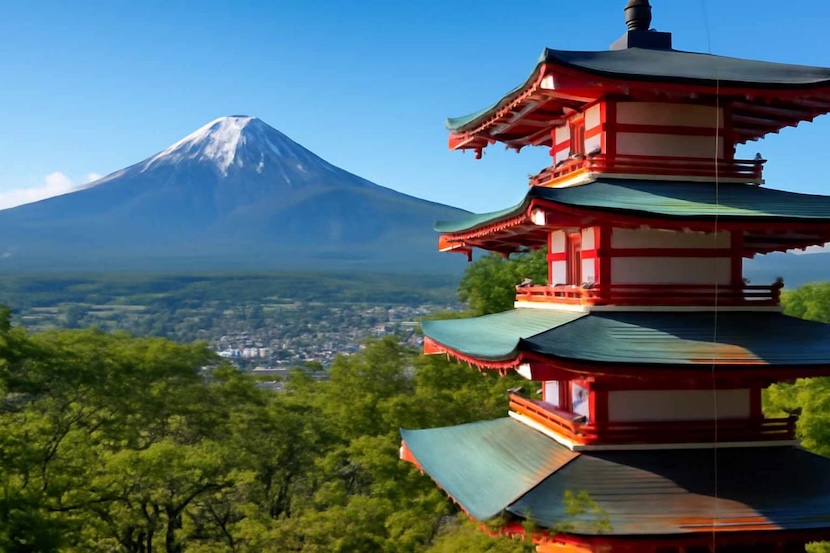
Japan Tourism Decline Creates Unique Opportunities for 2026 Visitors: Explore Temples, Nature, and Culture Without Crowds
Japan Tourism Decline Creates Unique Opportunities for 2026 Visitors: Explore Temples, Nature, and Culture Without Crowds
Japan has long been a dream destination for travellers around the world. From the bustling streets of Tokyo to the serene temples of Kyoto, the country offers a unique blend of tradition and modernity. However, in 2026, Japan is experiencing a notable tourism decline, marking the first decrease in four years. While overall numbers are still strong, this shift is largely due to a drop in visitors from China, one of the nation’s largest inbound markets.
Despite this slowdown, the situation presents a rare opportunity for travellers. With fewer crowds, tourists can experience Japan’s famous attractions more peacefully, enjoy more personalised services, and explore lesser-known destinations that are often overlooked during peak seasons.
Understanding the Drop in Visitors
The primary factor behind Japan’s tourism decline this year is the significant reduction in Chinese travellers. Economic shifts and geopolitical considerations have influenced travel plans, causing many potential visitors to postpone or cancel trips. While the exact reasons vary, it has resulted in quieter airports, reduced group tours, and more availability at popular accommodations.
This decline, however, does not diminish Japan’s appeal. Cities like Tokyo, Osaka, and Kyoto remain as vibrant as ever, offering rich cultural experiences, delectable cuisine, and iconic landmarks. Tourists can now navigate sites like Fushimi Inari Shrine, Shibuya Crossing, and Osaka Castle with more freedom and less waiting time, turning what was once a crowded visit into a more intimate experience.
New Opportunities for Global Travellers
The tourism slowdown has created a golden opportunity for travellers seeking unique experiences. Fewer crowds mean easier access to cultural festivals, museums, and local markets. It’s now possible to enjoy guided tours with more attention from staff, and even boutique hotels and traditional ryokans have become more accessible.
For those interested in nature and the outdoors, regional Japan is especially appealing. Areas such as Hokkaido, Tottori, and the Iya Valley in Shikoku are quieter than usual, allowing visitors to explore lush landscapes, serene hot springs, and charming villages with a sense of solitude and authenticity.
Travel Tips Amid Japan’s Tourism Decline
Despite the headline of declining numbers, Japan remains safe, well-organised, and highly tourist-friendly. Here are some tips for travellers planning a trip in 2026:
Book Early: With fewer large tour groups, accommodations are more flexible, but popular hotels still fill up fast during weekends and festival seasons.
Explore Off-Peak Locations: Head to remote areas and enjoy natural wonders like the northern landscapes of Hokkaido or the tropical beaches of Okinawa without the usual crowds.
Use Government Resources: Official Japanese travel websites provide reliable information on visa requirements, seasonal events, and transportation updates. Checking these resources helps ensure smooth travel planning.
Immerse in Local Culture: With fewer tourists, it’s easier to engage with locals and experience authentic Japanese traditions, from tea ceremonies to regional crafts.
The Broader Travel Context
Although Chinese visitor cancellations have impacted numbers, other countries have continued to send more tourists to Japan, including South Korea, Taiwan, and the United States. These visitors are helping to balance the overall tourism flow, ensuring that Japan remains a dynamic destination.
From a travel industry perspective, the tourism decline is also encouraging Japan to diversify its international markets and develop experiences that appeal to global visitors beyond its traditional Chinese and Asian markets. For travellers, this means more tailored services, innovative travel experiences, and even new itineraries that focus on local culture, cuisine, and sustainable tourism.
Why Travellers Should Still Visit
Japan’s appeal is undiminished. The temporary decline in tourism offers an ideal moment for visitors to explore iconic and hidden sites alike, without the crowds that usually characterise popular destinations. Festivals, historical temples, bustling shopping districts, and peaceful gardens are all available for a more relaxed and immersive experience.
Moreover, quieter travel seasons can also mean cost savings on accommodation and attractions. Travellers can enjoy Japan’s culinary scene, from sushi bars in Tokyo to traditional Kaiseki meals in Kyoto, with more space and attention from chefs and staff.
Looking Ahead
Japan’s tourism decline in 2026 is unlikely to be permanent. The country’s global reputation as a top travel destination remains intact, and the ongoing recovery of international travel will likely bring visitor numbers back to growth in the coming years. For now, tourists can take advantage of this rare opportunity to experience Japan in a quieter, more personal way.
Travellers who plan carefully, follow government travel advice, and explore both popular and lesser-known destinations will find that Japan in 2026 offers a unique, memorable, and deeply satisfying experience. Whether it’s urban adventures, cultural immersion, or scenic exploration, Japan continues to be a destination that captivates the imagination of travellers worldwide.
The post Japan Tourism Decline Creates Unique Opportunities for 2026 Visitors: Explore Temples, Nature, and Culture Without Crowds appeared first on Travel And Tour World.
Source: travelandtourworld.com



Sorry, the comment form is closed at this time.