


Councils Granted Power to Crack Down on Key Driving Offences: What Drivers Need to Know
Councils Granted Power to Crack Down on Key Driving Offences: What Drivers Need to Know
Starting this year, more councils outside of London will have the power to enforce moving traffic offences, including restrictions on yellow box junctions, one-way streets, and banned turns. This shift follows a law change in May 2022 that allows local councils to install enforcement cameras to monitor and manage traffic in busy areas.
The move comes as GEM Motoring Assist, an advocate for road safety, urges drivers to refresh their knowledge of key road signs and markings, especially in locations where traffic restrictions are being enforced more frequently. The increase in enforcement cameras is a significant part of councils’ strategy to reduce traffic congestion and improve road safety across the UK.
What Are the Key Offences Councils Are Cracking Down On?
With councils now empowered to take action on moving traffic offences, drivers across the UK are urged to be more mindful of the following issues:
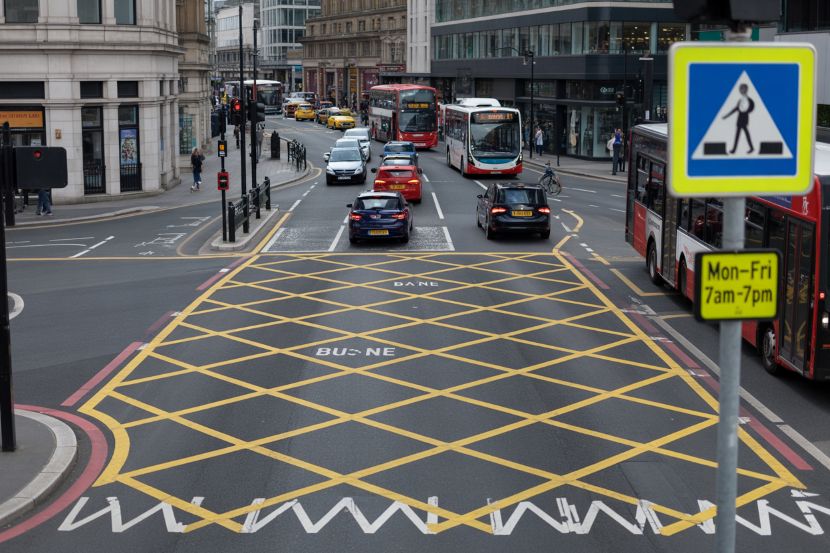
Yellow Box Junctions: These are designed to keep busy intersections clear, allowing traffic to pass through without obstruction. Drivers must only enter a yellow box junction when their exit is clear. The only exception is when turning right, and even then, drivers should wait for a safe gap in oncoming traffic.
Bus Lanes and Bus Gates: Restricted bus lanes and bus gates, where only buses and certain vehicles are allowed, are catching many drivers out. These restrictions often apply at specific times of day, meaning drivers need to pay attention to the times when they are in effect.
Zigzag Lines at Crossings: Zigzag lines are often found at pedestrian crossings, school entrances, and other high-risk areas. Parking or stopping in these areas is strictly prohibited, as it can impede pedestrians’ visibility and create dangerous conditions.
The government’s increased focus on these areas highlights the ongoing effort to make the UK’s road network safer, not just for drivers but for pedestrians and cyclists as well.
Why Is This Change Important for Business and Tourist Travel?
For business travelers and tourists, these changes mean that it’s more important than ever to stay aware of the road signs and traffic rules in the areas they visit. Business travelers, in particular, may find themselves driving in unfamiliar areas or relying on taxis, ride-shares, or rented cars to reach meetings. Without the proper knowledge of road markings, they could incur costly penalties for something as simple as missing a bus lane sign or entering a yellow box junction during peak traffic.
For tourists, these rules can be especially tricky in major cities like London, Manchester, or Bristol, where traffic restrictions are often more complex. A wrong turn or stopping in a restricted area could lead to a fine and cause disruptions to an otherwise smooth trip.
Impact on Road Safety and Travel Time
The UK government hopes that tighter enforcement will reduce the overall number of accidents caused by drivers ignoring road markings or traffic signs, such as those for yellow box junctions or bus lanes. Additionally, it is expected that with fewer vehicles obstructing these areas, traffic flow will improve, reducing congestion and delays for all road users, including cyclists and pedestrians.
For tourists who are unfamiliar with the area, this change may also help improve overall travel times in cities by reducing the time vehicles spend waiting in traffic. However, if drivers are not aware of the new enforcement rules, the risk of fines could create additional costs and frustrations.
Quick Tips to Avoid Penalties and Drive Safely in the UK
Know the Road Signs: Take a moment to familiarize yourself with important road signs and markings such as yellow box junctions, bus lanes, and zigzag lines. Always check for signs indicating restricted hours for specific lanes.
Pay Attention to Time Restrictions: Be aware of time-sensitive road markings. For example, bus lanes may only be restricted during rush hour or specific hours in the day. Bus gates also have certain time slots when restrictions are in effect.
Stay Out of Yellow Box Junctions: Only enter a yellow box junction if your exit is clear. If the junction is congested and you can’t move forward, it’s better to wait outside until there’s space to clear the box.
Watch for Local Enforcement Cameras: If driving in London or Bristol, be especially cautious about local traffic enforcement cameras that monitor bus lanes and yellow box junctions. These cameras have become more common, and fines are often issued automatically.
Check with Rental Services: If you’re renting a car, check with the rental service to see if they provide a map of restricted zones or highlight areas where traffic fines are common. Some services may even provide GPS systems with real-time traffic alerts.
Use Public Transport When Possible: If you’re in a major city and unsure about the driving rules, consider using public transport to get around. It’s often quicker and less stressful, particularly in cities like London, where the Tube and buses are well-connected.
Key Points to Remember:
New powers for councils to enforce moving traffic offences such as yellow box junctions, bus lanes, and banned turns will be rolled out across the UK.
The aim is to reduce traffic congestion and improve road safety.
Increased camera enforcement will make it easier to issue fines for drivers who violate restrictions.
Business travelers and tourists should familiarize themselves with UK traffic laws to avoid unnecessary penalties.
Public information campaigns by GEM Motoring Assist encourage drivers to refresh their knowledge of road signs and markings.
Conclusion: Stay Informed and Avoid Unnecessary Fines
The move to empower local councils to enforce traffic laws more rigorously, including yellow box junctions and bus lane violations, is part of the ongoing effort to make roads safer and reduce congestion in busy urban areas. As enforcement cameras become more common, drivers—including tourists and business travelers—are urged to pay closer attention to road signs and markings to avoid costly penalties.
For business travelers, staying informed about road signs can help avoid delays in getting to meetings, while tourists can make their visits more enjoyable by understanding local traffic rules. With the introduction of these changes, the UK government aims to create safer roads and a smoother travel experience for everyone on the road.
The post Councils Granted Power to Crack Down on Key Driving Offences: What Drivers Need to Know appeared first on Travel And Tour World.
Source: travelandtourworld.com



Sorry, the comment form is closed at this time.