


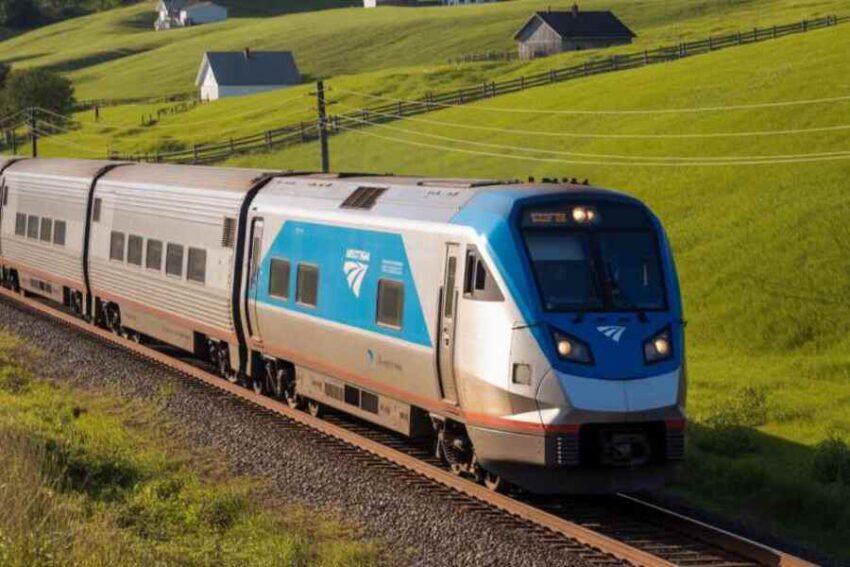
Amtrak Accelerates Long-Distance Rail Upgrade with New Procurement Strategy Focused on Standardization and Faster Equipment Replacement
Amtrak Accelerates Long-Distance Rail Upgrade with New Procurement Strategy Focused on Standardization and Faster Equipment Replacement
Amtrak is speeding up the modernization of its long-distance rail network by introducing a new procurement strategy built around standardized train designs and a simplified bidding process. The shift aims to reduce manufacturing risks, attract more suppliers and replace decades-old passenger cars more quickly, helping the railroad deliver more reliable service and a consistent travel experience across its nationwide routes.
Amtrak is advancing a new plan to modernize its long-distance trains, unveiling a redesigned fleet replacement strategy aimed at speeding up upgrades while reducing risks tied to large-scale rail procurement. The initiative focuses on replacing some of the oldest passenger railcars in the United States and creating a more unified system that can operate efficiently across the national network.
At the center of the plan is a shift toward a fully standardized single-level fleet for all long-distance routes. Currently, Amtrak operates a mix of bi-level and single-level equipment depending on the corridor, a setup that has added complexity to maintenance, operations and parts supply. Moving to one consistent train design is expected to simplify repairs, lower long-term costs and make fleet management more predictable.
The decision follows a review process that incorporated feedback from rail industry manufacturers and technical evaluations conducted alongside federal rail agencies. The analysis concluded that standardizing equipment would help avoid delays experienced in past procurements and encourage wider participation from train builders capable of delivering modern passenger cars.
A uniform fleet is also expected to improve the travel experience. With consistent train layouts and onboard systems, passengers will encounter similar seating configurations, accessibility features and amenities regardless of which long-distance service they choose. Operationally, crews and maintenance teams will benefit from working with equipment built on the same platform, reducing training requirements and improving reliability.
To move the program forward, Amtrak plans to launch a new competitive bidding process for manufacturers interested in building the next generation of long-distance railcars. The previous effort focused on acquiring bi-level trains will be discontinued, allowing the company to restart procurement under revised technical requirements. By reopening the competition, Amtrak hopes to attract a broader pool of suppliers and strengthen production timelines.
After selecting a contractor, the railroad will collaborate closely with the manufacturer to establish final production schedules and delivery milestones. The first of the new long-distance cars is expected to enter service in the early 2030s, marking the beginning of a gradual replacement of aging equipment that has operated for more than 40 years on some routes.
Maintaining dependable service during the transition remains a priority. Amtrak will continue evaluating the structural condition and performance of its existing railcars while implementing maintenance upgrades where necessary. These measures are intended to extend the usable life of current equipment until new trains are ready for deployment, ensuring passengers experience minimal disruption.
The long-distance fleet overhaul is part of a broader transformation taking place across Amtrak’s system. New ALC-42 locomotives are steadily joining the long-distance network, offering improved performance and efficiency compared with older engines. At the same time, next-generation trainsets have begun operating on high-demand corridors, signaling a wider push toward modernization.
Further upgrades are planned with the introduction of the Airo fleet, which will begin service on the Amtrak Cascades route in 2026 before expanding to additional regional routes in the following years. These investments reflect a long-term effort to renew rolling stock across multiple service categories, from high-speed rail to intercity and cross-country travel.
Together, the changes represent a strategic reset for Amtrak as it works to modernize infrastructure and equipment while managing costs and operational challenges. By adopting a standardized fleet and reopening competition among manufacturers, the railroad aims to deliver newer, more reliable trains and position long-distance rail travel for future growth.
Amtrak is speeding up upgrades to its long-distance rail network by adopting a new procurement strategy focused on standardized train designs, allowing faster replacement of aging passenger cars and more efficient nationwide operations.
The updated strategy signals a gradual but significant shift toward a more cohesive national passenger rail system—one designed to balance efficiency, passenger comfort and sustainability as demand for rail transportation continues to evolve in the years ahead.
The post Amtrak Accelerates Long-Distance Rail Upgrade with New Procurement Strategy Focused on Standardization and Faster Equipment Replacement appeared first on Travel And Tour World.
Source: travelandtourworld.com



Sorry, the comment form is closed at this time.