


UAE and Iran Regional Strikes Disrupt Dubai International Airport, Causing Injuries and Flight Suspensions
UAE and Iran Regional Strikes Disrupt Dubai International Airport, Causing Injuries and Flight Suspensions
On March 1, 2026, Dubai International Airport (DXB) experienced a significant disruption caused by regional military strikes. The incident occurred amid rising tensions linked to hostilities between Iran, Israel, and the United States, with reports indicating potential Iranian missile activity targeting strategic locations in the Gulf.
The escalation led to temporary flight suspensions and a temporary closure of some areas within the airport, as safety protocols were quickly implemented. Authorities confirmed minor structural damage in one of the concourse areas of the terminal, and four airport staff members were injured during the incident. Fortunately, all injured personnel were promptly treated and no further casualties were reported.
Emergency Response and Passenger Safety Measures
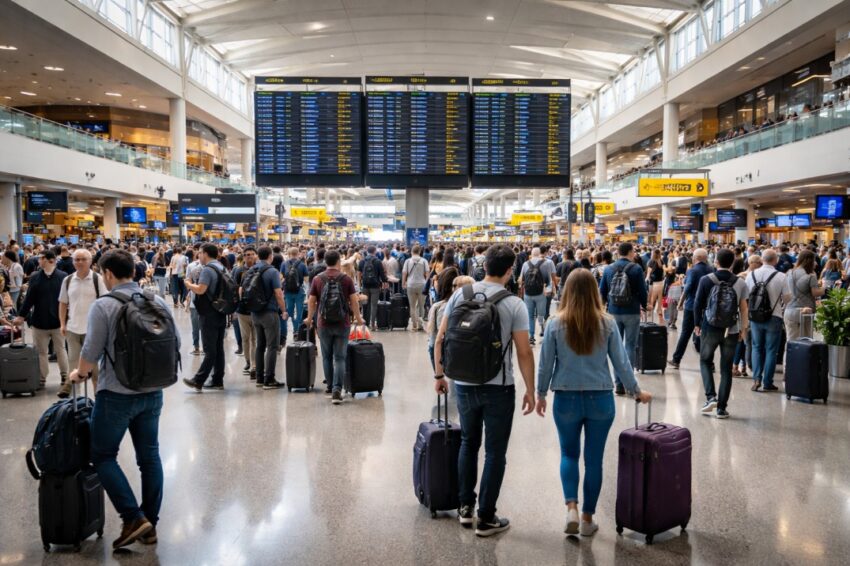
In response to the event, Dubai Airports activated its emergency protocols, clearing affected passenger areas to mitigate the risk. Social media footage quickly circulated showing evacuees being guided to safety by security personnel as debris and smoke were reportedly observed in parts of the airport. Emergency medical teams were dispatched to address the injuries sustained by airport staff, with priority given to their swift treatment.
Although DXB confirmed the minor damage, the cause of the disruption remains under investigation. At this stage, the authorities have not definitively linked the event to an Iranian missile strike, despite reports from international media outlets suggesting that this may be the case.
Airspace Closures and Airline Operations
The UAE and several neighboring nations, including Saudi Arabia, Qatar, and Kuwait, responded to the escalating tensions by closing significant portions of their airspace. These closures severely disrupted flight operations, especially for airlines operating at Dubai International Airport and Abu Dhabi International Airport (AUH), such as Emirates and Etihad Airways.
The impact was felt globally, with airlines from Europe, Asia, and North America forced to reroute flights or make last-minute cancellations. Key routes connecting to Dubai from major international hubs, including London, Paris, and New York, were also affected, demonstrating the interconnected nature of global aviation.
Widespread Impact on International Travel and Cargo Flows
The closure of DXB and other major Gulf airports sent shockwaves through the global aviation network, impacting both passengers and cargo. Dubai International Airport is one of the busiest airports for international passenger traffic, making its temporary shutdown a significant blow to both short-term and long-term air travel.
In addition to passenger flights, the disruption also caused delays in critical cargo shipments, including goods destined for Africa, Asia, and Europe, which depend on the UAE as a transit hub. With Emirates being a major operator at DXB, the cancellation of flights and rerouting of aircraft caused a ripple effect, delaying thousands of passengers and impacting airline schedules worldwide.
Response from Emirates and Other Airlines
In the wake of the incident, Emirates, one of the UAE’s flagship airlines, temporarily suspended operations at Dubai International Airport (DXB) while it conducted thorough safety assessments. Similar suspensions were implemented by Etihad Airways, based in Abu Dhabi, and other carriers operating in the region.
Although airports in the UAE began to assess the situation and make safety adjustments, the ongoing regional unrest created a volatile environment for air travel. Both airlines and air traffic controllers worked diligently to ensure that the airspace was managed safely. The disruptions forced major international carriers to cancel flights or reroute them to other airports across the region.
Long-term Consequences for Regional Aviation
The UAE’s aviation sector plays a crucial role in connecting the east and west, with Dubai International Airport serving as a hub for Emirates flights, while Abu Dhabi International is a key base for Etihad Airways. Any operational disruptions at these airports ripple across the entire region, affecting not only airlines but also tourism, trade, and the broader economy.
As investigations into the cause of the disruptions continue, airlines, government agencies, and international aviation bodies are monitoring the situation closely. The Dubai Airports authorities are working closely with local and international security agencies to review the damage and ensure that any future disruptions are managed more efficiently.
The Role of Rapid Response Systems
The March 1 incident underscores the vital role that rapid-response systems, coordinated airspace management, and contingency planning play in protecting both passengers and aviation infrastructure. In regions with heightened geopolitical tensions, the risks to civil aviation are heightened, and airports must be prepared for a range of security threats.
In response to the threat, Dubai Airports activated its contingency plans to ensure minimal disruption to passengers and swiftly clear affected areas of the terminal. While the incident was unsettling, it serves as a reminder of the complex safety protocols required to manage airport operations during periods of heightened threat levels.
The Dubai International Airport incident on March 1, 2026, reflects the vulnerabilities of global air travel in a volatile geopolitical environment. As tensions continue to rise in the Middle East, Dubai, along with its neighbors, faces increasing pressure to safeguard their aviation infrastructure while ensuring the safety of millions of international travelers.
Dubai Airports and Emirates are continuing to monitor the situation and have assured travelers that updates will be provided regularly. As authorities conduct further investigations into the cause of the disruption, the focus remains on restoring full operations as quickly as possible while maintaining safety.
By providing a detailed account of the situation, this article presents a thorough overview of the disruptions caused at Dubai International Airport (DXB) and the broader impact on the aviation industry during a time of regional conflict. The response to the event showcases the importance of proactive measures in ensuring minimal harm to passengers, and the continuity of critical operations during crisis situations.
The post UAE and Iran Regional Strikes Disrupt Dubai International Airport, Causing Injuries and Flight Suspensions appeared first on Travel And Tour World.
Source: travelandtourworld.com


Sorry, the comment form is closed at this time.