


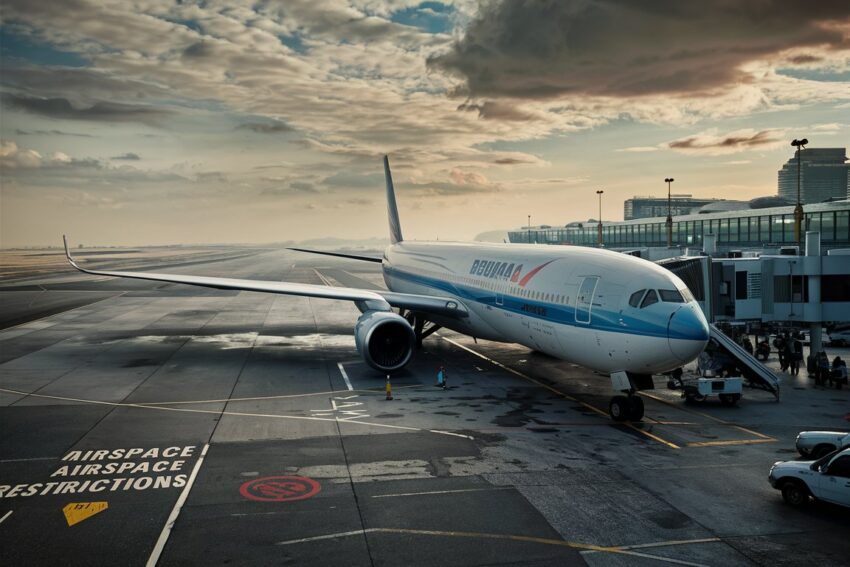
Emirates Grounds Dubai Services as Middle East Airspace Lockdowns Disrupt Regional Flights, What Travellers Need To Know
Emirates Grounds Dubai Services as Middle East Airspace Lockdowns Disrupt Regional Flights, What Travellers Need To Know
Dubai’s status as a global travel hub is facing significant disruption after Emirates, the United Arab Emirates’ flagship carrier, temporarily stopped all flights to and from Dubai until 1500 hours UAE time on Monday, 2nd March 2026. This suspension stems from widespread closures of airspace across parts of West Asia following intensified military conflict involving Israel and Iran. The airline’s official travel updates, issued by Emirates, confirm these unprecedented operational delays and advise passengers booked up to 5 March to rebook travel within 20 days or seek refunds through official channels.
Regional Airspace Shutdowns Ripple Through Global Aviation
The suspension coincides with multiple national civil aviation authorities declaring full or partial closures of their airspace as a safety precaution due to escalating hostilities. Nations in the Middle East, including Iran, Iraq, Jordan, Israel, Qatar, Kuwait, Bahrain and the United Arab Emirates, have restricted airspace over major regions, effectively grounding flights across one of the world’s busiest aviation corridors linking Asia, Europe and Africa.
This airspace lockdown follows a surge in military operations triggered by a coordinated strike on Iran by Israeli and allied forces, leading to a swift retaliatory response and prompting civil aviation authorities in multiple states to curtail flight operations. As a result, key hub airports such as Dubai International, Zayed International Airport in Abu Dhabi and Hamad International Airport in Doha were forced to limit or halt services, leaving thousands of passengers unable to travel as scheduled.
Passenger Options Amid Flight Cancellations and Reroutes
Passengers holding tickets on Emirates flights affected by the temporary suspension are permitted to rebook travel on alternate flights up to 20 days beyond their original travel dates. Those who purchased through travel agents are advised to coordinate directly with agents, while direct bookers are urged to use Emirates’ official support platforms for assistance. Refund options are available where rebooking does not meet traveller needs.
Travel advisories emphasise that passengers should verify flight status before departure and ensure their contact information is up‑to‑date to receive alerts about changes. These operational directives form part of a broader effort by the airline and civil aviation authorities to prioritise passenger and crew safety amid uncertain conditions.
Broader Airline Network Disruptions Across West Asia and Beyond
The impact of airspace closures extends far beyond the UAE. Airlines from the wider Middle East and global carriers have announced cancellations, reroutes or suspensions involving destinations in the region. Flag carriers and low‑cost airlines alike have altered schedules in response to air traffic restrictions, with some routes paused entirely until authorities can verify the security and safety of flight paths over affected territory.
The disruption has created a ripple effect across Asia, Europe, Africa and the Americas as airlines avoid conflict zones or adjust long‑haul services that traditionally transit West Asian air corridors. Flight tracking data indicate a surge in delays and cancellations, with thousands of services affected since regional airspace closures began.
Middle East Air Corridors Become High‑Risk Zones
Civil aviation administrations in several countries have cited risk to civilian flights as the primary driver for airspace shutdowns. The United Arab Emirates’ General Civil Aviation Authority confirmed a temporary and partial closure of its skies as military operations intensified. Similar measures were enacted by neighbouring states, underlining the severity of the situation and the heightened safety protocols for civil and commercial aviation.
These closures directly affect connectivity for passengers travelling between major continents via Gulf hubs. Many flights that normally traverse central Middle Eastern airspace are being rerouted over longer polar or southern routes, increasing flight times, fuel usage, and operational costs.
Impact on Regional and International Travellers
The widespread cancellations and rerouting have left significant numbers of travellers stranded or facing uncertain connections. Data from aviation analytics firms show substantial volumes of flights either cancelled or significantly delayed, with outbound and inbound services disrupted across the region’s major airports. These disruptions have implications for tourism, business travel, cargo services and international flight schedules.
Passengers en route through affected hubs are urged to liaise with their carriers for updated travel plans. In some cases, travellers have had to reroute via alternate cities or reserve accommodation at destination gateways until normal operations resume.
Future of Air Travel Through the Gulf Remains Uncertain
While some sources suggest phased reopenings of airspace may occur once military threats diminish, aviation authorities have not provided definitive timelines. Suspension of services until at least the afternoon of 2 March highlights the immediate uncertainty for airlines and passengers alike. Airlines continue to assess the evolving security landscape, coordinating with civil aviation regulators to determine the safest possible corridors for future flights.
Civil aviation risk assessments and national aviation notices will shape the pace of any recovery in flight operations, potentially affecting travel schedules well into the coming weeks. Until then, passengers planning travel through Dubai or other regional hubs are strongly advised to monitor official airline and aviation authority channels for updates.
The post Emirates Grounds Dubai Services as Middle East Airspace Lockdowns Disrupt Regional Flights, What Travellers Need To Know appeared first on Travel And Tour World.
Source: travelandtourworld.com



Sorry, the comment form is closed at this time.