


How UN Initiative is Transforming Africa’s Rural Communities: Tourism Is the Key to Their Empowerment!
How UN Initiative is Transforming Africa’s Rural Communities: Tourism Is the Key to Their Empowerment!
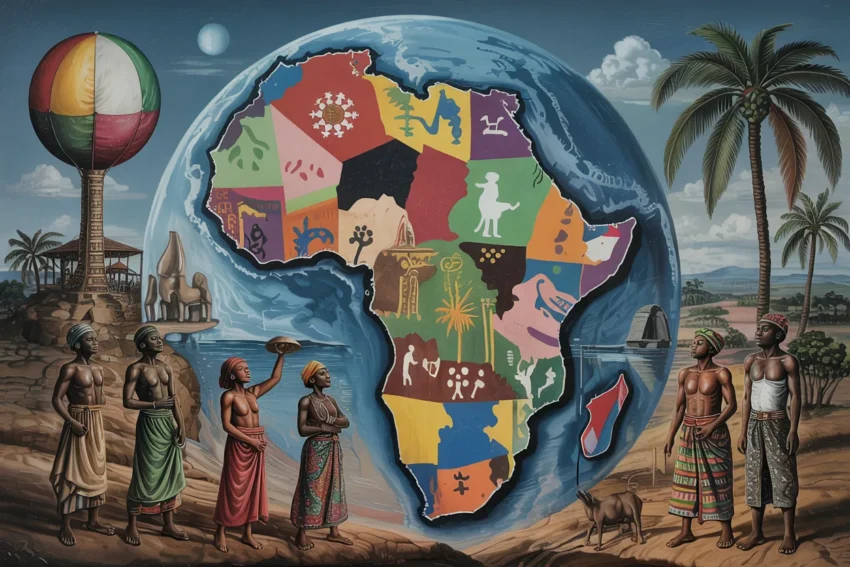
A transformative era for the continent’s remote regions has been initiated through a UN Tourism initiative called Colourful Cultures, which officially represents the first instance of the specialized agency providing direct financial and technical support to grassroots organizations. This groundbreaking program, launched in strategic partnership with the TUI Care Foundation, is designed to serve as a catalyst for economic empowerment within the often-overlooked rural heartlands of Africa. By pivoting away from traditional top-down development models, the focus has been placed on community-led tourism as a primary vehicle for social change. It is documented that a significant selection process involving 141 applications culminated in the awarding of small grants to five distinctive projects across Mozambique, Namibia, Rwanda, and Tanzania. These interventions are intended to ensure that the wealth generated by global travel is distributed equitably among those who serve as the true custodians of local traditions.
The Secret Funding Powering Local Heroes
The structural core of this movement is the newly established small grants program, which provides up to EUR 20,000 to non-profit organizations that operate at the community level. This funding is specifically earmarked for empowering women, youth, people with disabilities, and indigenous communities, who have historically faced systemic barriers to entering the formal tourism economy. In Mozambique, the project titled Voices and Colors of Gorongosa is being implemented by the Associação dos Deficientes Moçambicanos (ADEMO). This specific effort is focused on integrating people with disabilities into the tourism value chain near Gorongosa National Park. By facilitating artisan training and market access, the project ensures that locally crafted products are not only recognized for their cultural value but also become a reliable source of income for over 110 direct beneficiaries.
Artisans Taking the Global Stage
A primary objective of the Colourful Cultures framework is the professionalization of the creative economy through sustainable enterprise development. In Namibia, the initiative is rooted in the Bwabwata National Park, where the indigenous Khwe community is being supported in the revitalization of traditional arts. A dedicated cultural center is being developed to provide both space and technical expertise for 50 local artisans, allowing their work to be positioned within premium sustainable tourism circuits. This model of conservation-linked tourism ensures that the protection of the natural environment is inextricably linked to the prosperity of its human inhabitants. By enhancing the visibility of these creators, the program fosters a sense of heritage pride while simultaneously building a bridge to the international marketplace.
Women and Youth: The New Leaders of Tourism
The demographic focus of the initiative is particularly evident in Rwanda, where two separate projects are being championed to drive rural evolution. In the Musanze District, a project led by the Red Rocks Initiative for Sustainable Development is providing hands-on training for women and youth cooperatives in the villages of Nkotsi and Bisate. These participants are being equipped with skills in visual arts, entrepreneurship, and global storytelling, enabling them to diversify their income streams beyond subsistence agriculture. Simultaneously, a project in the Busaga Forest is transforming the ecologically rich area into a destination specifically led by women and young people. By combining forest conservation with community-based tourism and tour guiding services, a self-sustaining economic ecosystem is being constructed that prioritizes long-term resilience over short-term gain.
Preserving the Soul of the Maasai Heritage
In Tanzania, the Maasai Cultural Programme in the Kiteto District serves as a final pillar of this inaugural funding cycle. The project is centered on establishing a community-run training program that empowers Maasai women and young people to turn their unique cultural heritage preservation efforts into viable business opportunities. Through the development of high-quality arts and crafts and the professionalization of tourism services, the local population is being equipped to manage their own narrative. This approach ensures that cultural exchange remains respectful and authentic, providing visitors with a deep understanding of Maasai identity while ensuring that the financial benefits remain within the community. It is estimated that 50 individuals will be directly trained through this intervention, with a significant majority being women.
A Blueprint for Future Rural Empowerment
The broader implications of the Colourful Cultures initiative are being viewed as a blueprint for the future of international development. It is emphasized by UN Tourism leaders that the success of these five pilot projects will provide the evidence base needed to scale similar interventions across the globe. By addressing the gaps in infrastructure and financial services that often plague rural areas, the program is helping to foster territorial cohesion. The partnership with the TUI Care Foundation reflects a shared belief that tourism can act as a powerful force for good when it is rooted in the principles of social justice and environmental stewardship. As these projects move into their implementation phases throughout 2026, they stand as a testament to the creativity and resilience of the African spirit.
The post How UN Initiative is Transforming Africa’s Rural Communities: Tourism Is the Key to Their Empowerment! appeared first on Travel And Tour World.
Source: travelandtourworld.com


Sorry, the comment form is closed at this time.