


United Arab Emirates, Qatar, and Oman Work with MSC Cruises to Fly Stranded Passengers Home Amid Middle East Crisis
United Arab Emirates, Qatar, and Oman Work with MSC Cruises to Fly Stranded Passengers Home Amid Middle East Crisis
Escalating tensions across the Middle East, particularly affecting the United Arab Emirates, Qatar, and Oman, have disrupted cruise tourism as MSC Cruises works urgently to fly stranded passengers home after cancelling its Dubai sailings. The suspension of cruise operations in Dubai, a major cruise hub in the United Arab Emirates, has forced the company to coordinate closely with regional airlines including Emirates and Etihad Airways to secure return flights for thousands of travellers whose holidays were unexpectedly interrupted. The unfolding situation has also affected key ports across the Arabian Gulf, including Abu Dhabi in the United Arab Emirates and Doha in Qatar, where cruise itineraries were scheduled before regional authorities imposed restrictions.
As airline capacity remains limited due to ongoing regional instability and airspace complications, efforts have been intensified by MSC Cruises to organise travel solutions for affected passengers. The cruise line has also been reviewing charter flight options from regional gateways such as Dubai, Abu Dhabi, and Muscat in Oman, aiming to accelerate the safe return of guests while maintaining coordination with embassies, governments, and aviation partners throughout the crisis.
Cruise Travel Disrupted Across the Arabian Gulf
Cruise tourism in the Arabian Gulf has faced sudden disruption after heightened geopolitical tensions across the Middle East forced several operational changes for cruise operators. The situation has particularly affected sailings departing from Dubai in the United Arab Emirates, which has served as a central homeport for winter cruise programmes.
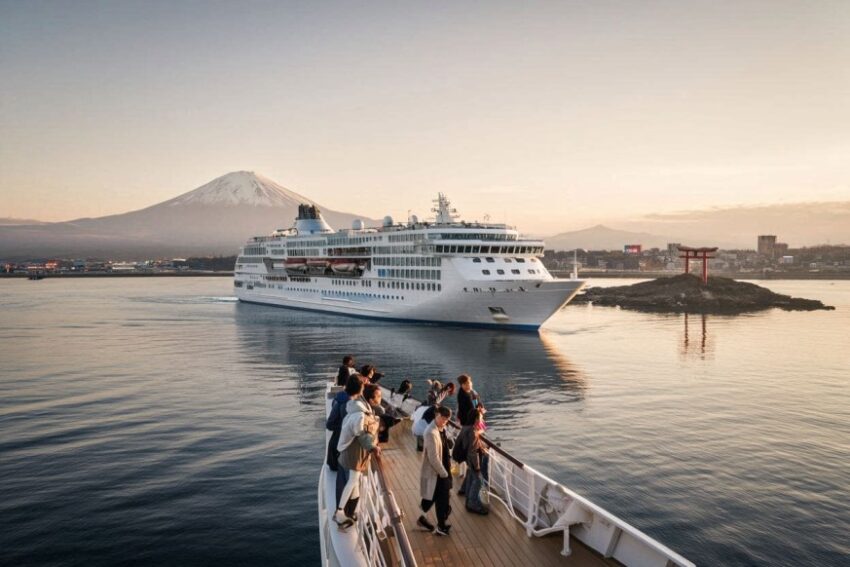
MSC Cruises had been operating its regional itineraries aboard the large cruise vessel MSC Euribia, which was based in Dubai for a series of seven-night voyages around the Arabian Gulf. These sailings typically connected several major tourism destinations in the region, including Abu Dhabi in the United Arab Emirates, Doha in Qatar, and Sir Bani Yas Island, a well-known island destination in the Arabian Gulf.
However, the escalation of regional tensions after military developments involving the United States and Iran on February 28, 2026 created immediate safety concerns for maritime operations and air travel across the region. As a result, cruise operations were forced to pause while port authorities and governments reassessed the security situation.
The disruption has not only affected cruise schedules but has also left many passengers stranded across regional cities while airlines and governments work to restore normal travel operations.
MSC Cruises Coordinates Flights with Emirates and Etihad Airways
In response to the unfolding situation, extensive coordination has been initiated by MSC Cruises with several airline partners across the Middle East. The cruise company has been working particularly closely with Emirates and Etihad Airways, two of the largest carriers based in the United Arab Emirates, to secure available seats for guests needing to return home.
Due to high demand and restricted airline capacity, flights have been allocated according to passengers’ originally scheduled departure dates. This approach has been adopted by airline partners in order to manage the limited number of available seats while ensuring that travel disruptions are handled fairly and efficiently.
Efforts have also been expanded beyond standard commercial flights. The cruise line has been exploring charter flight possibilities from multiple regional airports to accelerate the repatriation process. Airports under consideration include Dubai International Airport, Abu Dhabi, and Muscat in Oman, all of which serve as major aviation hubs in the Gulf region.
This coordination between cruise operators and airlines has become a crucial step in ensuring that affected travellers are able to return home safely despite ongoing logistical challenges.
Guests Remain Safe Onboard as Travel Plans Are Arranged
While transportation arrangements continue to be organised, passengers who remain onboard MSC vessels have been reported to be safe and well supported. The cruise line has ensured that travellers still aboard the ship are receiving continuous updates regarding the evolving situation.
Full access to onboard services, facilities, and guest amenities has been maintained throughout the period of uncertainty. Dining venues, entertainment programmes, and hospitality services have continued operating to provide a comfortable environment while plans for passengers’ onward travel are finalised.
Such measures have been implemented to maintain calm conditions onboard and ensure that travellers receive adequate support during the disruption. Communication with guests has also been prioritised, allowing passengers to remain informed about flight arrangements and travel options as they become available.
MSC Euribia and the Cancelled Arabian Gulf Cruise Programme
Before the crisis escalated, MSC Euribia had been scheduled to operate a full winter cruise programme in the Arabian Gulf. The ship, which measures 183,500 gross tons and can accommodate up to 6,327 passengers, had been positioned in Dubai to operate regular seven-night sailings across the region.
These voyages were designed to showcase key tourism destinations across the Gulf. Typical itineraries included visits to Abu Dhabi in the United Arab Emirates, Doha in Qatar, and the wildlife and eco-tourism destination of Sir Bani Yas Island.
The ship arrived in Dubai on February 27, 2026 following the completion of a previous sailing. However, the vessel was instructed to remain in port when regional tensions escalated and authorities closed the port shortly afterward.
The next scheduled voyage had been due to depart on February 28 with a planned stop in Doha on March 1. Because the port closure prevented departure, the itinerary was suspended and further sailings were gradually cancelled.
Eventually, the cruise line cancelled the entire remainder of its winter cruise programme in the region. The decision affected three additional seven-night sailings that had been scheduled to depart on March 14, March 21, and March 28, 2026.
These cancellations also removed several shorter cruise segments that would have allowed passengers to embark in regional ports such as Doha and Abu Dhabi.
Refunds and Assistance for Affected Travellers
Passengers whose cruises were cancelled due to the regional situation have been offered full refunds for their cruise fares. This policy has been implemented by MSC Cruises to provide financial compensation for the unexpected disruption.
However, travellers who had already arrived in the region for their voyages have required additional assistance to return home. For these guests, travel arrangements have been prioritised through the coordination of airline partners and diplomatic channels.
Embassies, foreign offices, and local authorities across the United Arab Emirates, Qatar, and Oman have also been involved in assisting travellers during the crisis. This collaboration has helped facilitate communication between governments, cruise companies, and airlines while ensuring that stranded passengers receive the necessary support.
The ongoing cooperation between tourism operators and authorities highlights the complexity of managing international travel disruptions during periods of geopolitical instability.
Wider Impact on Cruise Operations in the Region
MSC Cruises has not been the only cruise operator affected by the situation. Multiple cruise ships from different companies have remained in ports such as Dubai, Abu Dhabi, and Doha while regional authorities continue to monitor the security environment.
The disruption has also been compounded by airspace complications across parts of the Middle East, which have limited the availability of flights for passengers attempting to leave the region.
Thousands of cruise travellers have therefore experienced itinerary changes or delays as travel companies work to adapt their operations to the evolving situation. The combination of port closures, security concerns, and airline capacity limitations has created significant logistical challenges for the cruise industry.
Despite these obstacles, efforts have continued across the region to prioritise passenger safety while organising safe and efficient travel solutions for those affected.
The post United Arab Emirates, Qatar, and Oman Work with MSC Cruises to Fly Stranded Passengers Home Amid Middle East Crisis appeared first on Travel And Tour World.
Source: travelandtourworld.com



Sorry, the comment form is closed at this time.