


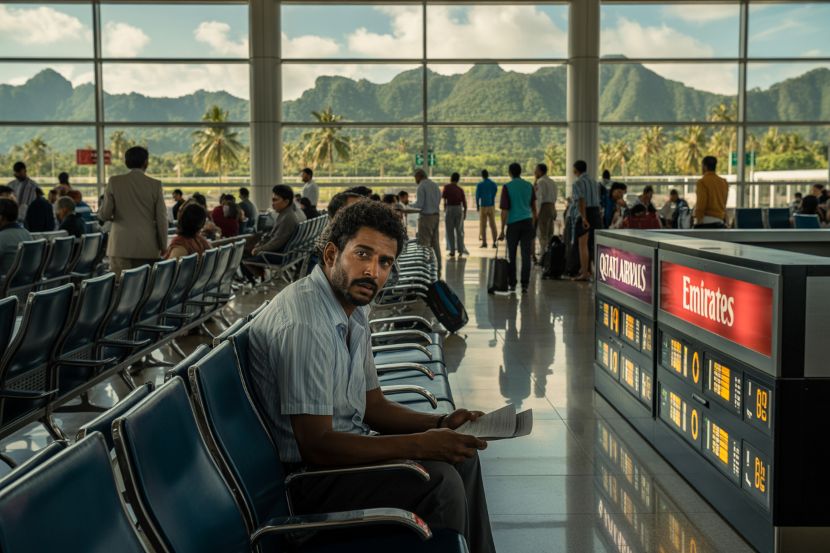
Sri Lanka Struggles as Middle East Airspace Closure Disrupts Flights from Qatar, UAE, and Dubai, Leaving Thousands of Tourists Stranded – Everything You Need to Know
Sri Lanka Struggles as Middle East Airspace Closure Disrupts Flights from Qatar, UAE, and Dubai, Leaving Thousands of Tourists Stranded – Everything You Need to Know
Sri Lanka’s tourism sector is experiencing a significant setback, triggered by the ongoing Middle East conflict, which has severely disrupted vital air traffic routes. With nearly one-third of the island’s international arrivals passing through the Middle East, the consequences of this regional instability are proving to be disastrous. Airlines like Qatar Airways, Emirates, Flydubai, and Etihad Airways, which are responsible for bringing a large number of international tourists, have been forced to suspend flights temporarily. These disruptions have led to a severe reduction in incoming tourism, with estimates predicting a US$15 million loss in tourism revenue in just one week. The impact has also left thousands of tourists stranded in Sri Lanka, unable to return to their home countries.
As the situation continues to unfold, the Sri Lankan government has stepped in with emergency measures, offering tourists a free 14-day visa extension to ease their stay. However, the disruption is raising critical concerns over the country’s future tourism recovery, especially as the region remains a key travel gateway for many international visitors.
The Impact on Sri Lanka’s Tourism Industry
Sri Lanka’s tourism has long depended on a steady flow of visitors traveling via the Middle East, with destinations like Dubai, Abu Dhabi, Doha, and Sharjah serving as crucial transit hubs. The recent closure of Middle Eastern airspace has put a halt to many international flights, directly affecting the country’s ability to welcome incoming travelers. With the Middle East acting as a key transit point, particularly for European and South Asian travelers, this disruption is exacerbating the impact on Sri Lanka’s tourism revenues.
Tourists from Europe and other distant regions often travel through Qatar, UAE, and Oman to reach Sri Lanka, making these airports vital lifelines for the island’s economy. As airlines adjust their schedules and limit flights, tourism agencies and hotels in Sri Lanka are bracing for a decrease in occupancy rates and service demand.
Thousands of Tourists Stranded
The immediate aftermath of the conflict has seen thousands of tourists, primarily European travelers, stuck in Sri Lanka. According to recent reports, 10,000 tourists have been left stranded, unable to return to their countries due to the halted air travel. These disruptions have forced the Sri Lankan government to issue a special emergency visa extension for all tourists still in the country. This gesture aims to alleviate some of the logistical pressure on tourists and allow them more time to finalize their travel plans once the airspace is reopened.
The Economic Toll of the Conflict
The Sri Lankan government estimates a US$15 million loss in tourism revenue during just one week of flight suspension. This number could escalate if the conflict continues to affect air travel in the region. The tourism sector had been recovering from previous setbacks, and this latest disruption could delay efforts to achieve the target of welcoming over 2.5 million international tourists by the end of this year.
The sudden decline in international arrivals not only affects the hotels and airlines but also has broader implications for local businesses, tour operators, and the hospitality sector. In particular, the lack of international flights is hurting Sri Lanka’s inbound tourism, which has traditionally relied on Middle Eastern routes for significant visitor traffic.
A Tourism Hub Under Pressure
Sri Lanka’s tourism industry had seen remarkable growth, especially after the country recorded its highest-ever foreign tourist arrivals in 2025, totaling 2.36 million. This surge had been fueled by international marketing campaigns, improvements in infrastructure, and Sri Lanka’s natural appeal as a holiday destination. However, with a considerable share of tourists traveling via Middle Eastern hubs, this disruption is a stark reminder of how global conflicts can impact nations that rely heavily on international tourism.
Sri Lanka’s proximity to India, Maldives, and other regional destinations means that many travelers transit through the Middle East before reaching their final destination. With air connectivity now severely impacted, the ripple effect could spread throughout the region, affecting not just Sri Lanka but other key South Asian destinations.
Practical Travel Tips for Tourists Affected by the Crisis
If you’re a traveler currently stranded in Sri Lanka due to the Middle East airspace closure, here are a few tips to help you navigate this situation:
Stay Informed About Flight Updates
Airlines like Qatar Airways, Flydubai, Etihad, and Emirates are actively updating their flight schedules. Ensure you are registered with your airline for real-time updates on your flight’s status. You may also contact the airline’s local offices in Sri Lanka for assistance with rebooking.
Take Advantage of Sri Lanka’s Visa Extension
The Sri Lankan government has announced a free 14-day visa extension for stranded tourists. If you’re concerned about your visa expiring, make sure to visit the nearest immigration office to apply for an extension. This will give you peace of mind as you plan your next steps.
Explore More of Sri Lanka
If your return flight is delayed, consider extending your stay and exploring other regions of Sri Lanka. From the picturesque Cultural Triangle to the stunning beaches of Mirissa and Unawatuna, Sri Lanka offers a wide array of experiences for every type of traveler. Take this opportunity to discover the beauty of the island.
Stay Connected with Local Tourism Offices
Local tourism offices are equipped to help tourists during such disruptions. They can offer advice on alternative travel routes, help with emergency accommodation, and provide updated information on flight schedules.
Preparing for the Future of Sri Lanka’s Tourism
While the current conflict presents a formidable challenge, Sri Lanka’s tourism industry is resilient. The government has already begun initiatives to diversify tourism arrivals and reduce the dependence on a single region. This includes focusing on South Asia, Europe, and China, while also tapping into emerging markets in Africa and East Asia. Long-term recovery efforts will likely involve expanding air connectivity, enhancing marketing strategies, and strengthening partnerships with international airlines.
Sri Lanka must leverage its unique tourism offerings to ensure it remains a competitive and attractive destination in the face of global challenges.
Key Takeaways
Middle Eastern airspace closures have caused significant disruptions in Sri Lanka’s tourism sector.
10,000 tourists remain stranded in Sri Lanka due to flight cancellations.
The Sri Lankan government has granted 14-day visa extensions to all affected tourists.
US$15 million in tourism revenue has been lost due to one week of flight suspension.
Sri Lanka’s tourism recovery may be delayed due to the ongoing conflict.
The post Sri Lanka Struggles as Middle East Airspace Closure Disrupts Flights from Qatar, UAE, and Dubai, Leaving Thousands of Tourists Stranded – Everything You Need to Know appeared first on Travel And Tour World.
Source: travelandtourworld.com



Sorry, the comment form is closed at this time.