


A Major Tourism Route Has Suddenly Paused : Are Your Travel Plans Safe?
A Major Tourism Route Has Suddenly Paused : Are Your Travel Plans Safe?
Havana, Cuba and Moscow, Russia are facing a sudden pause in commercial air connectivity after Russia’s aviation regulator announced a temporary halt to all regular passenger flights between the two countries. The decision follows a short-term operation designed to return Russian tourists currently vacationing in Cuba, as the island confronts a severe jet fuel shortage affecting international aviation.
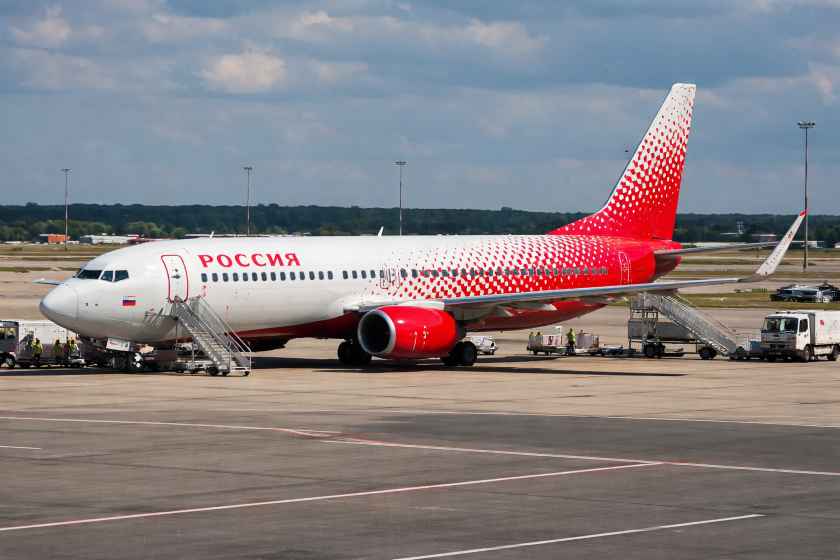
According to Rosaviatsia, two Russian carriers—Rossiya Airlines and Nordwind Airlines—will operate passenger-only repatriation flights in the coming days. These special services are scheduled to begin on Thursday and will transport Russian travellers back to Russia before regular commercial operations are suspended.
Cuba Tourism Effected
Once the repatriation flights conclude, all scheduled commercial services between Russia and Cuba will be halted until jet fuel supplies on the island stabilize. The announcement marks a significant development for Cuba’s tourism sector, particularly as Russia has been one of its most important long-haul visitor markets in recent years.
For travelers, the immediate impact centers on flight availability and itinerary adjustments. Russian tourists currently in Cuban destinations such as Havana and Varadero are being accommodated through designated return flights. Tour operators are coordinating with airlines to ensure departures align with hotel check-out schedules and existing travel packages.
Cuba’s jet fuel shortage has already affected several international carriers. Multiple foreign airlines have suspended service or adjusted operations due to limited fuel availability at Cuban airports. Some carriers have been forced to tanker fuel from other destinations or schedule technical stops outside Cuba to ensure return segments can operate safely.
The suspension of Russian commercial flights adds further pressure to Cuba’s long-haul connectivity. Since the pandemic, Russia has become a key source market for the Caribbean island. Russian travelers have contributed significantly to occupancy rates in resort areas, particularly during winter months when demand from colder climates rises.
Rossiya Airlines and Nordwind Airlines have operated some of the island’s remaining long-distance connections linking Cuba with Europe and Asia. These routes supported not only leisure travel but also broader tourism supply chains, including charter operations and packaged holiday programs.
For Cuban tourism authorities and hospitality providers, the disruption highlights the dependency of island destinations on stable aviation infrastructure. Airlift capacity directly influences visitor arrivals, hotel occupancy and seasonal travel flows. Temporary suspensions, even if short-term, can reshape booking patterns.
Travel agencies in Russia are currently advising clients to monitor updates and confirm flight schedules before booking new trips to Cuba. While repatriation flights ensure that current visitors can return home, future departures remain uncertain until fuel availability improves.
The broader Caribbean region may also feel secondary effects. Travelers reconsidering Cuban itineraries may explore alternative destinations in Mexico, the Dominican Republic or other Caribbean islands with stable air access. This shift could temporarily redistribute tourism flows across the region.
Meanwhile, European and North American airlines serving Cuba have reportedly adjusted their operational strategies. Some have introduced fuel tankering procedures, carrying additional fuel on inbound flights to reduce reliance on Cuban refueling capacity. Others have scheduled technical stops in nearby countries to manage fuel logistics.
Aviation Impact
The aviation sector often responds quickly to supply chain disruptions, but sustained fuel shortages can lead to longer-term network adjustments. For Cuba, maintaining consistent long-haul air service remains critical to sustaining international visitor numbers.
The timing of the suspension is particularly significant as Cuba prepares for upcoming peak travel periods. Winter and early spring traditionally see increased arrivals from colder regions, including Russia. Reduced connectivity during this time may influence overall tourism performance.
For travelers planning visits to Havana’s historic districts, Varadero’s beaches or Cuba’s cultural and natural attractions, the key consideration now is flight certainty. Tour operators may offer flexible booking policies or alternative routing options depending on airline capacity.
As of now, the repatriation phase remains the priority. Russian carriers are coordinating closely with tourism partners to manage departures efficiently. Once these operations conclude, the suspension of regular flights will remain in place until fuel supplies stabilize and commercial service can safely resume.
Conclusion
Air connectivity continues to play a central role in shaping global tourism patterns. When routes pause, destinations adjust. As Cuba works to resolve its fuel challenges, the return of stable aviation operations will be closely watched by airlines, tour operators and travelers alike.
For now, Havana and Moscow remain linked through temporary repatriation services, while the future of regular commercial flights depends on fuel availability and operational recovery in the weeks ahead.
The post A Major Tourism Route Has Suddenly Paused : Are Your Travel Plans Safe? appeared first on Travel And Tour World.
Source: travelandtourworld.com



Sorry, the comment form is closed at this time.