


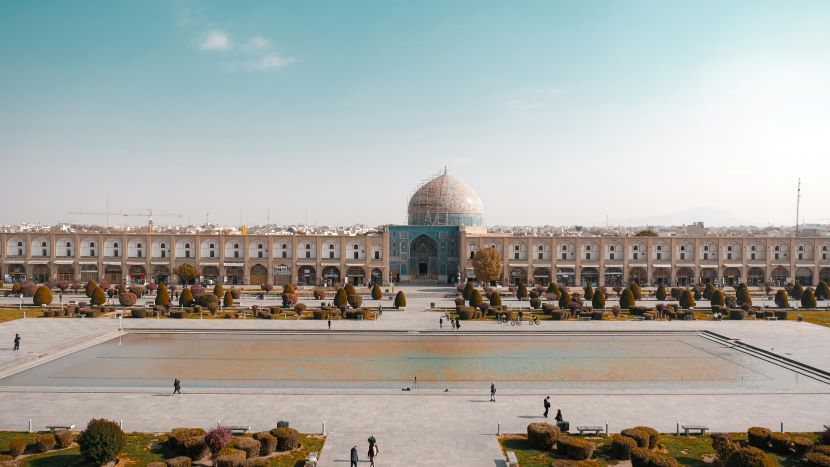
A Sustainable Roadmap for the Evolution of Cultural Heritage and Tourism in Qom, Iran
A Sustainable Roadmap for the Evolution of Cultural Heritage and Tourism in Qom, Iran
The historical landscape of Qom is currently being reshaped through a dedicated commitment to cultural heritage tourism development. A strategic framework has been established to ensure that the rich tapestry of the region is not only preserved but also utilized as a primary engine for economic and social growth. By focusing on sustainable travel initiatives, the local authorities are seeking to elevate the status of the province beyond its traditional reputation. This movement is characterized by a profound respect for ancient Persian architecture and a modern approach to visitor infrastructure. It is observed that the integration of pilgrimage traditions with broader historical exploration is being prioritized to attract a more diverse demographic of international and domestic travelers. Through these efforts, the essence of the region is being highlighted in a manner that honors its ancestral roots while embracing the requirements of contemporary global tourism.
Strategic Planning and Visionary Goals
The advancement of the tourism sector in Qom is being guided by a comprehensive roadmap designed by provincial officials and heritage experts. A significant emphasis is placed on the identification and restoration of sites that have long been overlooked. It is believed that by revitalizing these locations, a more holistic narrative of the Iranian plateau can be presented to the world. The provincial government has allocated specific resources toward the improvement of accessibility, ensuring that even the most remote caravanserais and archaeological mounds are reachable by those interested in the deep history of the area. This systematic approach is intended to create a seamless experience for guests, where history is encountered at every turn.
Enhancing the Visitor Experience through Infrastructure
In order to accommodate the projected increase in visitors, the expansion of hospitality services is being actively pursued. The construction of new accommodation facilities, ranging from luxury hotels to traditional boutique stays, is being monitored to ensure high standards of service. It is noted that the passive beauty of the desert landscape is being utilized to create unique lodging experiences that reflect the local culture. Furthermore, transportation networks are being upgraded to facilitate smoother transitions between the urban center of Qom and its surrounding rural attractions. By investing in these foundational elements, the province is being prepared to handle a larger volume of traffic without compromising the integrity of its heritage sites.
The Role of Religious and Cultural Significance
The city of Qom has long been recognized as a pivotal center for spiritual reflection, but its identity is being expanded to encompass a wider cultural significance. The presence of the Holy Shrine remains a cornerstone of the local identity, yet it is being complemented by the promotion of secular historical sites. Efforts are being made to educate the public on the various dynasties that have left their mark on the region, from the Sassanid era to the Qajar period. It is understood that a multi-layered historical perspective allows for a richer understanding of the societal evolution in Iran. Consequently, museums and cultural centers are being modernized to provide interactive and educational content that appeals to younger generations and scholars alike.
Preserving Architectural Marvels
The architectural heritage of Qom is regarded as a testament to the ingenuity of past civilizations. From the intricate tile work of mosques to the robust structures of ancient bridges, these assets are being subjected to rigorous conservation protocols. It is emphasized that any restoration work must be carried out using traditional materials and techniques to maintain historical authenticity. The passive observation of these structures reveals a complex understanding of mathematics and aesthetics that was possessed by ancient builders. By protecting these landmarks, the physical memory of the province is being shielded from the degradation of time and environmental factors.
Economic Impact and Local Empowerment
The development of the tourism industry is expected to yield significant economic benefits for the local population. Job creation in the sectors of hospitality, guiding, and handicraft production is being encouraged through government-led training programs. It is anticipated that the rise in tourism will provide a platform for local artisans to showcase their skills, particularly in the realms of carpet weaving and pottery. By integrating local communities into the tourism value chain, a sense of ownership and pride is being fostered. This social empowerment is seen as a vital component of a sustainable development model where the benefits of growth are shared by all residents of the province.
Future Horizons for Qom Tourism
As the initiatives continue to unfold, the future of Qom as a tourism destination appears increasingly vibrant. A long-term vision is being maintained to ensure that growth does not come at the expense of environmental or cultural degradation. Environmental protection measures are being integrated into the tourism strategy to safeguard the unique desert ecosystems and salt lakes that characterize the region. It is hoped that Qom will serve as a model for other provinces in Iran, demonstrating how heritage can be leveraged for modern progress. The ongoing dialogue between stakeholders, including government bodies, private investors, and the local community, is being facilitated to ensure that the path toward development remains inclusive and forward-thinking.
The post A Sustainable Roadmap for the Evolution of Cultural Heritage and Tourism in Qom, Iran appeared first on Travel And Tour World.
Source: travelandtourworld.com



Sorry, the comment form is closed at this time.