


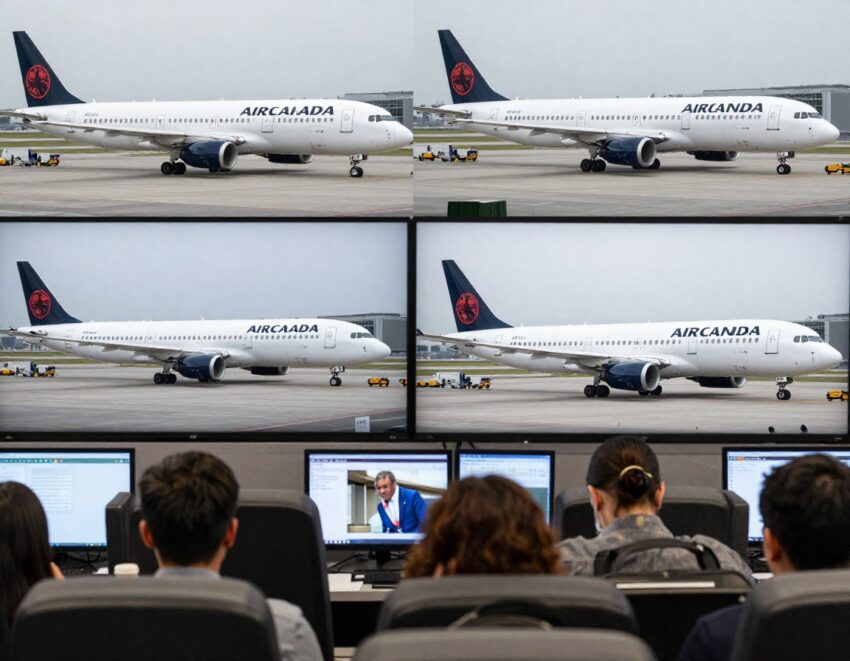
Air Canada, WestJet, Air Transat, Porter Airlines, United, American, Southwest, Delta & Alaska Airlines Suspend Mexico Routes as Canada, US, UK Tourists Are Stranded in Puerto Vallarta — Marriott, Hilton and Hyatt Brace for Tourism Shockwaves
Air Canada, WestJet, Air Transat, Porter Airlines, United, American, Southwest, Delta & Alaska Airlines Suspend Mexico Routes as Canada, US, UK Tourists Are Stranded in Puerto Vallarta — Marriott, Hilton and Hyatt Brace for Tourism Shockwaves
Air Canada, WestJet and Air Transat found themselves at the center of a fast-moving travel crisis after cartel-linked violence in Mexico’s Jalisco state forced sudden flight suspensions to Puerto Vallarta, stranding thousands of tourists — including large numbers of Canadians and Americans — at the peak of the winter sun season. Within hours of security unrest erupting following a major Mexican military operation, airlines across North America, including Porter Airlines and several major U.S. carriers, adjusted or paused services to safeguard passengers and crews, while airport access disruptions and road blockages complicated departures. Government advisories urged travelers to exercise heightened caution, and embassy alerts recommended sheltering in place in affected zones as authorities deployed additional security forces to stabilize the region. The impact was immediate: packed resort hotels shifted into crisis-management mode, flexible ticket waivers were introduced, and aviation networks between Canada, the United States and Mexico experienced operational ripple effects. With Mexico having welcomed nearly 48 million international visitors in 2025 and Puerto Vallarta ranking among its busiest leisure gateways, the temporary disruption underscored how quickly geopolitical or security events can send shockwaves through airlines, tourism boards and global hospitality brands — and how critical coordinated response and traveler awareness have become in today’s interconnected travel economy.
Air Canada, WestJet, Air Transat, Porter Airlines, United, American, Southwest, Delta & Alaska Airlines Suspend Mexico Routes
Puerto Vallarta woke to smoke-filled skies and sudden silence. Within hours of a major Mexican military operation that resulted in the death of cartel leader Nemesio Ruben Oseguera Cervantes, violent reprisals spread across parts of Jalisco state. Roads were blocked. Vehicles burned. Gunfire echoed near urban corridors. For thousands of international visitors — including Canadians, Americans and British tourists — vacations turned into uncertainty.
Major North American airlines moved quickly. Air Canada, WestJet, Air Transat and Porter Airlines temporarily suspended flights to Puerto Vallarta and Guadalajara. Several U.S. carriers — including United, American, Southwest, Delta and Alaska Airlines — adjusted schedules or paused services as security concerns escalated. Airports tightened access. Hotels advised guests to shelter in place. Governments updated travel advisories.
Now flights are gradually resuming. But the ripple effects across the airline, tourism and hospitality industries are still unfolding.
Air Canada, WestJet, Air Transat and Porter Airlines Suspend and Resume Mexico Routes as Canada Tourists Are Stranded in Puerto Vallarta
Canada is one of Mexico’s largest tourism source markets. In December 2025 alone, nearly 400,000 Canadian visitors arrived in Mexico by air, according to official tourism data. Puerto Vallarta is a core winter-sun destination for travelers from Toronto, Montreal, Vancouver, Calgary and Edmonton.
When unrest erupted in Jalisco, Canadian airlines reacted swiftly. Air Canada temporarily suspended flights to Puerto Vallarta and later confirmed it would resume service from Montreal, Toronto and Vancouver once local authorities declared conditions stable. WestJet paused operations before announcing a phased restart, advising travelers to check flight status before heading to the airport. Air Transat introduced flexible change policies for affected departures. Porter Airlines cancelled several scheduled services and offered complimentary rebooking.
For airlines, such disruptions carry operational and financial consequences. Aircraft and crew rotations are interrupted. Rebooking costs rise. Passenger compensation claims increase. Yet carriers also emphasized safety-first policies and coordinated closely with airport authorities in Mexico.
Canadian officials confirmed more than 26,000 Canadians in Mexico had registered with government services for updates. Roughly 5,000 were believed to be in Jalisco state at the time of the unrest. For families traveling during peak winter season, sudden flight suspensions meant extended hotel stays and uncertainty about return dates.
United, American, Southwest, Delta and Alaska Airlines Adjust Mexico Operations as US and UK Travelers Face Travel Disruption — Marriott, Hilton and Hyatt React
The United States remains Mexico’s largest inbound tourism market, accounting for nearly 65 percent of air arrivals in late 2025. U.S. carriers operate dense route networks into Puerto Vallarta and Guadalajara, especially from hubs such as Los Angeles, Dallas, Houston, Chicago, Phoenix and Seattle.
As security alerts intensified, U.S. airlines adjusted operations. Some flights were cancelled. Others were diverted. Aviation tracking services reported hundreds of disruptions across western Mexico during the peak of unrest. Airlines issued waivers, allowing travelers to change dates without penalties.
British travelers were also affected, particularly those connecting through U.S. or Canadian gateways en route to Pacific coast resorts. The United Kingdom remains a significant European source market for Mexico, with strong long-haul leisure demand.
Hotel operators responded quickly. International brands such as Marriott, Hilton and Hyatt activated crisis management protocols at properties in Puerto Vallarta and surrounding areas. Resort security teams increased patrols. Guests were advised to remain on-site. Communication with tour operators intensified. Many all-inclusive properties reassured visitors that facilities remained operational and that violence was not directed at tourists.
Hospitality executives understand perception is everything. Puerto Vallarta is marketed globally as a safe beach destination. Any headlines suggesting instability can affect forward bookings.
How the Violence Impacted Puerto Vallarta’s Airport and Tourism Economy
Puerto Vallarta International Airport handled more than 700,000 passengers in January 2026, making it one of Mexico’s busiest leisure gateways. Even a brief operational slowdown affects thousands of hotel room nights, transfers, restaurant reservations and excursion bookings.
During the height of the unrest, access roads near the airport were intermittently blocked. Some flights were unable to land. Others returned to origin airports. Travel insurance providers saw a spike in inquiries. Tour operators paused new arrivals until conditions stabilized.
Tourism is a pillar of Mexico’s economy. In 2025, the country welcomed nearly 48 million international tourists and generated over US$31 billion in tourism revenue. Jalisco, home to both Guadalajara and Puerto Vallarta, is one of the country’s strongest regional tourism engines.
When a major security event unfolds, even if geographically limited, it can trigger short-term booking slowdowns across broader markets. Travelers often delay decisions. Group bookings hesitate. Conference organizers reassess risk.
The Airline Industry’s Calculated Restart Strategy
Resuming operations after a security incident requires coordination. Airlines rely on airport authorities, civil aviation regulators and local security assessments. Crews must be repositioned. Aircraft schedules recalibrated. Passenger backlogs managed.
Air Canada confirmed it would restore Puerto Vallarta routes first, followed by Guadalajara services. WestJet resumed scheduled operations while warning of potential delays due to congestion. U.S. carriers mirrored a similar pattern. Flights returned gradually rather than all at once.
Load factors are closely watched. Airlines must gauge traveler confidence. A sudden demand drop can lead to capacity adjustments in subsequent weeks. However, history shows that leisure routes to Mexico often rebound quickly once stability returns.
Flexible booking policies became central. Travelers were encouraged to rebook instead of cancelling outright. Aviation experts frequently advise that accepting a refund may remove passengers from priority re-accommodation lists. Rebooking keeps them within airline protection systems.
Marriott, Hilton and Hyatt Monitor Occupancy and Booking Trends
Hospitality brands with significant footprints in Puerto Vallarta include Marriott International, Hilton Worldwide and Hyatt Hotels Corporation. These companies operate both luxury and all-inclusive properties catering to North American and European markets.
During the disruption, occupancy levels temporarily shifted. Some guests extended stays because flights were cancelled. Others departed early once services resumed. New arrivals slowed for several days.
Hotel revenue management teams began analyzing forward booking curves. Winter remains peak season. Even a short pause can affect quarterly performance if cancellations outweigh extended stays.
Resort staff played a crucial role. Guests reported supportive communication and security presence. Many properties continued food and beverage operations without interruption. The key objective was reassurance.
Travel Advisories and What Tourists Should Know
Canadian and U.S. governments updated travel advisories, urging travelers in affected areas to exercise heightened caution and follow local guidance. Embassy alerts recommended sheltering in place during peak unrest.
For tourists currently in Mexico, the advice remains practical. Monitor official airline updates. Confirm road access before traveling to the airport. Avoid non-essential movement if local authorities advise restrictions.
Register with your embassy if available. Keep digital and printed copies of travel documents. Ensure travel insurance policies cover civil unrest-related disruptions. Maintain contact with hotel front desks for updated guidance.
Which Countries Are Most Affected by the Disruption
The United States is most exposed due to volume. With more than 1.4 million U.S. air visitors to Mexico in December 2025 alone, even localized disruptions affect large numbers.
Canada ranks second. Nearly 400,000 Canadian air visitors arrived in December 2025. Puerto Vallarta is particularly popular among Canadians escaping winter conditions.
Colombia represents a growing Latin American market, with tens of thousands of air arrivals monthly. The United Kingdom remains a leading European contributor. Travelers from these markets may face connecting flight complexities.
However, data also shows resilience. Mexico recorded overall international tourism growth in 2025. Demand remains structurally strong. Short-term shocks historically give way to recovery once security stabilizes.
Economic Ripple Effects Beyond Airlines and Hotels
Travel disruption affects more than airlines and resorts. Airport concessionaires, taxi drivers, tour guides, excursion operators and restaurant owners depend heavily on steady visitor flows.
Cruise lines monitoring Pacific coast itineraries assess port conditions carefully. Event planners and wedding organizers may delay bookings. Travel agencies field increased call volumes.
Insurance providers and online travel agencies also experience spikes in modification requests. Financial impacts accumulate quickly across the tourism ecosystem.
Why Cartel Violence Rarely Targets Tourists Directly
Security analysts note that organized crime groups typically avoid deliberately targeting international tourists, as tourism revenue is vital to regional economies. However, collateral disruption can occur during confrontations with security forces.
Authorities deployed thousands of National Guard members following the operation. Official statements described stabilization efforts within 24 to 48 hours.
Understanding this context helps travelers differentiate between targeted threats and broader security operations.
Practical Travel Tips for Visitors Planning Trips to Puerto Vallarta
Check airline advisories daily. Use official carrier websites for schedule updates. Arrive early at airports due to potential congestion.
Book refundable or flexible fares where possible. Choose accommodations with established safety protocols. Stay informed through reputable news outlets rather than social media rumors.
Avoid isolated travel at night in unfamiliar neighborhoods. Use registered transport providers. Keep emergency contact numbers accessible.
If traveling with children or elderly family members, maintain extra supplies of medication and essentials in case of temporary shelter-in-place guidance.
The Path to Recovery for Mexico’s Tourism Sector
Mexico’s tourism industry has weathered crises before. From hurricanes to global pandemics, recovery patterns show that leisure demand often returns swiftly once stability is confirmed.
Airlines have already resumed many services. Hotel brands continue welcoming guests. Beachfront restaurants reopen terraces. The rhythm of Puerto Vallarta gradually returns.
Forward bookings will determine the long-term impact. If advisories ease and no further incidents occur, spring and summer travel demand may remain robust.
For now, the message from airlines and hospitality leaders is cautious optimism. Safety remains paramount. Operations continue. Travelers are informed.
Puerto Vallarta’s beaches are still there. Its sunsets remain unchanged. But for thousands of stranded tourists, the events served as a reminder that global travel requires preparedness, flexibility and awareness.
Air Canada, WestJet and Air Transat abruptly suspended Puerto Vallarta flights after cartel-related violence in Mexico’s Jalisco state disrupted airport access and stranded thousands of Canadian and U.S. tourists at peak winter season. As authorities deployed additional security forces and airlines began phased resumptions, the crisis sent immediate shockwaves through North America’s aviation networks and Mexico’s resort-driven hospitality industry.
As flights lift off once more from Toronto, Houston, Los Angeles and London toward Mexico’s Pacific coast, the airline and hospitality industries watch closely. Recovery depends not just on operations but on confidence. And confidence, in travel, is everything.
The post Air Canada, WestJet, Air Transat, Porter Airlines, United, American, Southwest, Delta & Alaska Airlines Suspend Mexico Routes as Canada, US, UK Tourists Are Stranded in Puerto Vallarta — Marriott, Hilton and Hyatt Brace for Tourism Shockwaves appeared first on Travel And Tour World.
Source: travelandtourworld.com


Sorry, the comment form is closed at this time.