


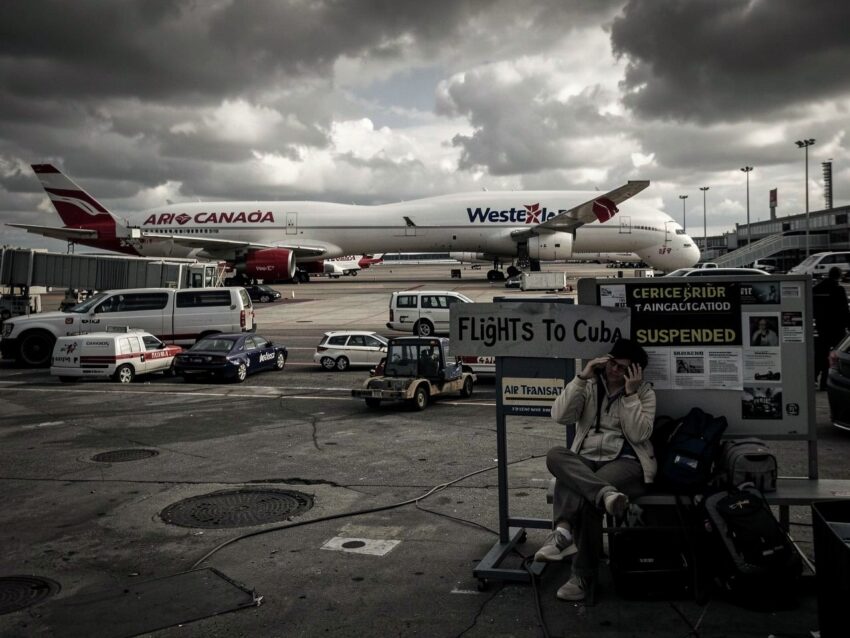
Air Canada, WestJet, Air Transat, Sunwing, and Air France Suspend Flights to Cuba Amid Fuel Crisis, What This Means for Your Next Vacation!
Air Canada, WestJet, Air Transat, Sunwing, and Air France Suspend Flights to Cuba Amid Fuel Crisis, What This Means for Your Next Vacation!
Air Canada, WestJet, and Air Transat have just made a bold and unexpected decision that has sent shockwaves through the travel world—suspending all flights to Cuba due to a severe fuel crisis triggered by U.S. sanctions. This unprecedented move comes at a time when Cuba’s tourism industry, which has long relied on international flights to fuel its economy, is already struggling to recover from the effects of the pandemic. For Canadians, Cuba has always been one of the most popular holiday destinations, with over 860,000 visitors in 2025 alone, drawn to its stunning beaches, vibrant culture, and all-inclusive resorts. However, with the ongoing fuel shortages that have crippled the island’s ability to refuel planes and supply essential services, Air Canada, WestJet, and Air Transat have had no choice but to ground their flights. The ripple effect of this decision is not just felt by travelers but by Cuba’s hospitality sector, with hotels and resorts facing cancellations, reduced bookings, and operational challenges. This article takes a closer look at the impact of this fuel shortage on tourism and how Cuba’s hospitality industry is bracing for the long-term effects. What does this mean for your next tropical getaway? Will Cuba continue to be a viable destination, or are travelers now looking elsewhere? Keep reading to find out how this crisis is reshaping the future of Cuban tourism and how you can still plan your vacation amid the disruptions.
Air Canada, WestJet, Air Transat, Sunwing, and Air France Suspend Flights to Cuba Amid Fuel Crisis — What This Means for Your Next Vacation!
Introduction: The Travel Crisis Unfolds in Cuba
Cuba, a beloved destination for Canadian travelers and international tourists alike, is facing an unprecedented crisis that is shaking the foundations of its tourism sector. The country’s vibrant resorts, beaches, and cultural attractions are all part of the allure that draws millions of visitors each year. However, recent disruptions caused by a fuel shortage, primarily triggered by U.S. sanctions, have led to Air Canada, WestJet, Air Transat, Sunwing, and Air France suspending flights to Cuba. This sudden shift has left many travelers stranded, while the airline and hospitality industries scramble to address the fallout. For anyone planning a trip to the island, understanding the implications of these flight suspensions and the impact on the hospitality sector is crucial.
In this article, we will delve into the current fuel crisis in Cuba, explore how airline companies are navigating the turbulence, and highlight the effects on the Cuban hospitality industry. Additionally, we’ll provide helpful travel tips for those affected and offer insights into potential travel alternatives.
Air Canada, WestJet, Air Transat, Sunwing, and Air France Suspend Flights to Cuba Amid Fuel Crisis
The most visible consequence of Cuba’s fuel crisis has been the suspension of commercial flights by several major airlines. Air Canada, WestJet, Air Transat, Sunwing, and Air France—all key players in the market—have had to adjust their flight schedules and in some cases, completely halt service to Cuba. This decision was driven by the ongoing fuel shortages resulting from U.S. sanctions that have crippled Cuba’s ability to import necessary supplies.
For Air Canada and WestJet, the decision was particularly impactful, as Canada remains one of the largest sources of tourists to Cuba. Over 860,000 Canadians visited Cuba in 2025, with many heading to Varadero, Havana, and Cayo Coco for beach vacations and cultural experiences. Similarly, Sunwing, which focuses heavily on the all-inclusive vacation market, has been a staple for Canadian families heading to Cuba. With Air Transat and Air France also pulling back on their service, the effect on Cuba’s tourist arrivals is palpable.
As these airlines grapple with the operational challenges, the overall impact on the travel industry extends beyond just flight cancellations. With fewer flights arriving, the Cuban hospitality industry, especially all-inclusive resorts, is feeling the pinch. Resorts that once thrived on heavy Canadian tourism are seeing cancellations and reduced bookings, forcing some hotels to scale back services or temporarily close. Hotel occupancy rates, which were already under pressure post-pandemic, have further declined, making it harder for visitors to secure rooms during peak seasons.
Flight Alternatives and the Future of Cuban Tourism
For travelers still hoping to make their way to Cuba, several alternative flight options are available. While Canadian airlines have temporarily suspended flights, some international carriers, including American Airlines, JetBlue, and Delta, continue to operate flights to Cuba from various U.S. cities. However, travelers should be aware that these flights may require additional refueling stops in nearby countries, adding time and cost to their journey. Travelers from Europe can also consider options with Air France, though disruptions are expected in terms of flight frequency and direct connections.
For Canadian tourists, connecting flights via Mexico, Panama, or the Dominican Republic have become more common, though they come with a significant price increase due to the detours. Booking with flexibility is highly recommended to avoid further complications. Airlines are offering rebooking options, but customers are advised to review terms and conditions for refunds or re-routing carefully.
As the crisis continues, tour operators have begun looking at alternative Caribbean destinations, such as the Dominican Republic, Mexico, and Jamaica, where air access remains unaffected by the fuel crisis in Cuba. These alternatives not only ensure that travelers can still enjoy a tropical escape but also offer destinations that may be less impacted by the current situation.
For those determined to visit Cuba, the Cuban government has assured international tourists that some commercial flights may still be available with international airlines. It is vital for travelers to monitor flight status updates regularly and consult with their airline for the latest schedules.
Cuba’s Hospitality Industry Faces Uncertainty
Cuba’s hospitality industry has long been the backbone of its tourism economy. With stunning beaches, rich history, and unique cultural experiences, the island has attracted millions of tourists every year. However, the ongoing fuel shortage has had a disastrous impact on hotels, resorts, and other tourist services. The country’s hotel occupancy rates are in decline, with many establishments closing or scaling down their operations due to the rising cost of running essential services such as water and electricity.
Large hotel chains, which dominate the Cuban landscape, have been hit hardest by the fuel crisis. Melia Hotels, Iberostar, and Accor have been forced to adapt by cutting back on certain guest services or raising room prices to offset operating costs. The all-inclusive resort model, which was once hugely popular, is now facing considerable challenges due to the reduced availability of fuel for transportation and other services.
In response, some resorts have turned to generator power, while others have reduced their capacity to cope with the declining number of tourists. Despite these efforts, the island’s tourism workers, many of whom depend on the seasonal influx of visitors, are facing job insecurity. The impact on wages, particularly in sectors like hospitality and transportation, is likely to be significant.
Travel Tips for Affected Tourists
If you are planning a trip to Cuba or have already booked your vacation, here are some essential travel tips to navigate the ongoing fuel crisis and airline suspensions:
Check Your Flight Status: Always stay updated on flight schedules. Airlines are frequently changing their routes, and some may offer rebooking options or alternative flights. Be proactive in contacting your airline for the latest information.
Book with Flexibility: Given the uncertainty in flight schedules, book flights with flexible dates and cancellation policies. Many airlines are offering waivers for affected customers.
Look for Alternative Caribbean Destinations: If you need a quick tropical escape, consider destinations like the Dominican Republic or Jamaica. Both are popular alternatives for Canadians and offer similar vacation experiences to Cuba.
Know Your Hotel’s Status: Call ahead to confirm that your hotel or resort is still operational. Due to the fuel shortage, many hotels are operating at reduced capacity, and you may face service limitations.
Travel Insurance: It’s essential to have comprehensive travel insurance that covers unforeseen circumstances like flight cancellations, hotel closures, and emergencies. Be sure to check the fine print for travel disruptions.
Prepare for the Unexpected: Due to the ongoing crisis, travelers should expect possible delays, changes in services, and price increases. Be prepared for a less-than-perfect experience and plan accordingly.
Is Cuba Still Worth Visiting?
Despite the disruptions caused by the fuel crisis, Cuba remains a fascinating and culturally rich destination. For those willing to adapt to the changes, Cuba offers a unique travel experience that few other places can match. Visitors can still enjoy Havana’s vibrant nightlife, Varadero’s beautiful beaches, and the rich history found in cities like Trinidad and Santiago de Cuba.
However, it’s important for tourists to be aware of the challenges currently facing the Cuban tourism industry. Travelers should have realistic expectations, as some services may not be available at their usual standard. That said, Cuba’s warm hospitality and unique charm still make it an alluring destination for those willing to brave the current difficulties.
Navigating the Cuba Travel Crisis
The suspension of flights by Air Canada, WestJet, Air Transat, Sunwing, and Air France is a direct result of the fuel crisis exacerbated by U.S. sanctions on Cuba. This disruption has severely impacted both the airline industry and the hospitality sector, leading to flight cancellations, reduced hotel capacity, and job insecurity for workers in the tourism sector.
For travelers still eager to experience Cuba, alternative flight options exist, though they may come at a higher cost and require longer travel times. The Cuban hospitality industry is trying to adapt, but it’s clear that the challenges are substantial. Those planning to visit should stay updated on travel advisories, check with airlines regularly, and be prepared for the possibility of service disruptions.
Air Canada, WestJet, and Air Transat have suspended flights to Cuba due to a severe fuel crisis triggered by U.S. sanctions, disrupting thousands of travelers’ plans. With Cuba’s tourism sector already struggling, this move raises questions about the island’s future as a top vacation destination.
As the situation evolves, it remains to be seen how long the crisis will last. In the meantime, travelers should make informed decisions, plan with flexibility, and consider other destinations if Cuba no longer fits their travel plans. Despite the current difficulties, Cuba’s rich culture, warm beaches, and resilient spirit will continue to draw travelers from around the world once the crisis is resolved.
The post Air Canada, WestJet, Air Transat, Sunwing, and Air France Suspend Flights to Cuba Amid Fuel Crisis, What This Means for Your Next Vacation! appeared first on Travel And Tour World.
Source: travelandtourworld.com



Sorry, the comment form is closed at this time.