


Air New Zealand Joins Qantas, Virgin Australia, and Singapore Airlines to Unveil a Travel Revolution in 2026!
Air New Zealand Joins Qantas, Virgin Australia, and Singapore Airlines to Unveil a Travel Revolution in 2026!
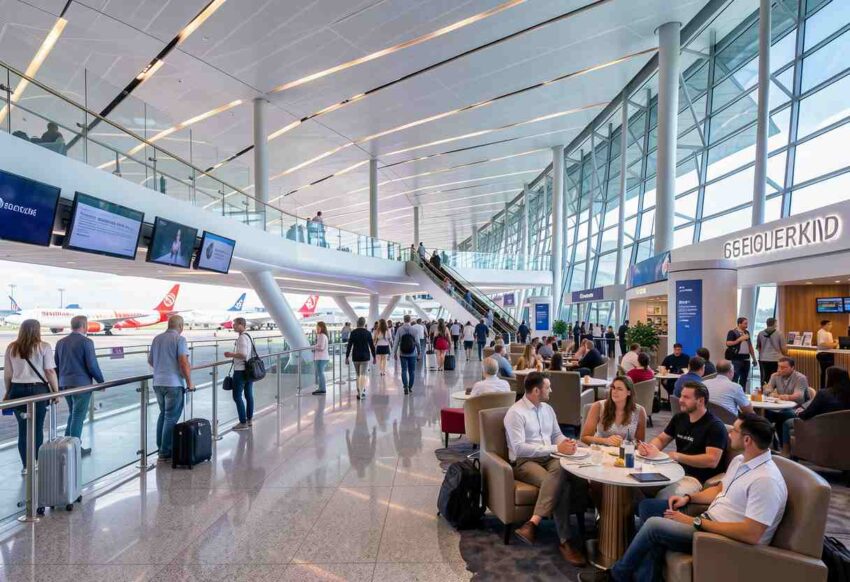
In 2026, Air New Zealand joins forces with Qantas, Virgin Australia, and Singapore Airlines to unveil a travel revolution. This exciting collaboration marks a significant shift in the aviation industry, promising passengers an elevated travel experience across multiple airlines. By working together, these leading carriers aim to introduce groundbreaking innovations in fleet upgrades, service enhancements, and global connectivity. With this partnership, the airlines are setting new standards for comfort, efficiency, and customer satisfaction. As travel continues to evolve, this bold move will redefine how we fly, making it easier, more enjoyable, and more connected than ever before. The travel revolution of 2026 is just the beginning, and passengers can expect a whole new world of possibilities when flying with Air New Zealand, Qantas, Virgin Australia, and Singapore Airlines. This unprecedented collaboration signals an exciting future for travellers everywhere.
Air New Zealand: Fleet Expansion, Cabin Upgrades, and Premium Passenger Features
Financial Performance and Future Outlook
Air New Zealand has encountered several challenges in the first half of the 2026 financial year, reporting a net loss before tax of $59 million and a net loss after tax of $40 million, marking a shift from the profitability it enjoyed the previous year. The airline’s EBITDA stood at $347 million, a figure impacted by multiple factors, including global engine maintenance delays, a slower recovery in domestic travel, rising aviation costs, and a weaker New Zealand dollar. Despite these setbacks, Air New Zealand remains optimistic, with plans to deliver two new Boeing 787 Dreamliners by year-end. These new aircraft will help increase the airline’s widebody capacity by 20–25% over the next two years, positioning the airline for greater growth in the coming years.
Cabin Upgrades and New Features
Air New Zealand has made significant strides in fleet enhancement and passenger comfort. The airline has begun interior redesigns of its Boeing 777‑300ER fleet, ensuring that the cabins meet modern standards, with a focus on consistency, comfort, and functionality. Additionally, all 14 Boeing 787‑9 Dreamliners in the fleet will undergo a complete cabin layout redesign by the end of 2026, offering long-haul passengers improved in‑flight amenities and more spacious cabins, which is especially important for international travellers.
The most exciting addition to Air New Zealand’s fleet is Skynest, a world-first innovation designed to offer long-haul economy passengers a better rest experience on extended flights such as Auckland to New York. These sleeping pods will allow passengers on ultra-long flights to rest more comfortably, revolutionising the way passengers experience long-haul travel. This feature will make a significant difference for economy class passengers who have long journeys ahead, ensuring they can arrive at their destination well-rested.
Technology & Digital Enhancements
In addition to fleet upgrades, Air New Zealand has partnered with Tata Consultancy Services (TCS) to drive digital transformation across its operations. This collaboration will allow Air New Zealand to enhance customer experience by improving digital retail, crew operations, and loyalty program management. These technological advancements will ensure smoother operations, better service, and improved overall customer satisfaction, helping the airline meet the ever-evolving needs of modern travellers.
Virgin Australia: Strong Performance, Fleet Expansion, and New Traveller Options
Financial Growth and Performance
Virgin Australia reported an underlying net profit of A$278.7 million for the first half of FY26, driven by strong consumer travel demand and the benefits of a wide-ranging transformation programme. This result exceeded market expectations and signals Virgin Australia’s resilience and ability to thrive even in challenging market conditions. The airline remains optimistic about its second-half outlook, with projections for continued revenue and EBIT growth throughout the remainder of FY26.
Fleet Growth and Sustainability
Virgin Australia has been expanding its fleet to meet growing passenger demand, introducing Boeing 737‑8 MAX aircraft, which will not only increase capacity but also improve fuel efficiency. These new aircraft are part of the airline’s ongoing fleet modernisation programme, ensuring that Virgin Australia can provide better service and more sustainable travel options for passengers. This expansion will support domestic and international routes, catering to a wide variety of travel needs.
In‑Flight Comfort and Traveller Options
Virgin Australia has introduced several innovative, traveller-centric services in 2026 to make flying more comfortable and flexible for its passengers:
Pets in Cabin scheme: This service is expanding to more routes, allowing small cats and dogs to travel with their owners under set conditions. This is a convenient option for pet owners who prefer to travel with their furry companions, making long-distance travel more manageable.
Neighbour-Free Seating: Virgin Australia now allows passengers to bid for an empty seat beside them to enjoy more space and comfort on select flights. This service adds an extra layer of comfort for those looking to travel in more private conditions, particularly beneficial for long-haul passengers.
These new features highlight Virgin Australia’s commitment to enhancing in‑flight comfort and meeting the diverse needs of its travellers. Whether it’s extra legroom, pet travel, or more private seating options, the airline continues to lead the way in providing flexibility for passengers.
Loyalty & Global Partnerships
Virgin Australia’s Velocity Frequent Flyer program is expanding with new partnerships and promotions, including bonus Velocity Points and double status credits for frequent flyers. The airline is also working on strengthening its strategic partnership with Qatar Airways, a move that will provide even more international flight options and global connectivity once fully operational. This partnership will be a game-changer for Virgin Australia passengers, who will benefit from enhanced flight choices and better international coverage.
Qantas Group: Record Profits, Expanded Routes, and Enhanced Passenger Comfort
Strong Financial Results
Qantas Group announced a record underlying profit of A$1.46 billion for the first half of FY26, driven by strong travel demand and excellent performance in the loyalty program. The airline also confirmed interim dividends and share buyback programmes, reflecting its strong financial position. This result reinforces Qantas’s position as Australia’s premier airline and highlights its resilience in the face of global challenges.
New Routes and Connectivity
Qantas continues to expand its global footprint with the introduction of non-stop flights between Sydney and Las Vegas, set to begin in December 2026. This new route will significantly reduce travel time between Australia and the United States, benefiting both leisure travellers and business travellers alike. This route will also create greater tourism ties between Australia and the USA, boosting the broader tourism sector for both countries.
Economy Plus and Lounge Enhancements
Qantas has rolled out Economy Plus seating across its Boeing 737, Airbus A321XLR, A220, and A330 aircraft. These seats offer up to 40% more legroom, priority boarding, and additional bin space, catering to passengers who seek extra comfort on long‑haul flights. The airline has also introduced a regional lounge refresh programme, which will enhance the pre-flight amenities in key domestic locations, ensuring that passengers have a more comfortable and enjoyable airport experience before they even board their flight.
Fleet Advancements and Future Growth
The Qantas Group is continuing to modernise its fleet with the introduction of Airbus A321XLRs and A350‑1000s. These new aircraft will support Project Sunrise, which aims to enable ultra‑long‑haul flights, further enhancing global connectivity and providing passengers with a premium, more comfortable travel experience across international sectors. Qantas’s investment in these aircraft will ensure a higher level of comfort, reliability, and environmental sustainability in its global operations.
Singapore Airlines: Continued Service Excellence and Fleet Evolution
Fleet and Cabin Modernisation
Singapore Airlines continues to update its fleet, phasing out older Boeing 737‑800s and replacing them with newer aircraft that offer lie-flat beds in business class across long‑haul flights. This transition ensures that passengers have a consistent premium experience throughout the airline’s entire long‑haul network. With a focus on providing top-tier service, Singapore Airlines is ensuring that its long-haul business class product remains competitive and luxurious.
Operational Performance and Challenges
For the first half of FY2025/26, Singapore Airlines reported strong operating profits of $803 million, although its net profit fell to $239 million due to lower interest income and losses from associated companies like Air India. Despite these financial challenges, Singapore Airlines continues to maintain its reputation for exceptional service, offering premium services, lounges, and global connectivity across key travel corridors, including Asia, Australia, and North America.
Traveller Takeaways for 2026: What’s New for Passengers?
2026 promises a host of exciting improvements for passengers across the aviation industry. Here are the key takeaways:
More Comfortable Flying:
With Economy Plus seating on Qantas and Neighbour‑Free Seating on Virgin Australia, passengers can enjoy more space and flexibility during their flights. Air New Zealand’s Skynest sleeping pods will allow long-haul economy passengers to sleep comfortably on ultra-long flights.
Expanded Connectivity:
Qantas’s Sydney–Las Vegas non‑stop flights and expanded codeshare agreements with airlines like Qatar Airways and Singapore Airlines will improve global travel options for passengers.
Fleet Modernisation:
Boeing 787 additions, Airbus A321XLRs, and A350s will improve reliability and service quality, ensuring passengers enjoy more comfortable and efficient flights across both domestic and international routes.
Loyalty and Perks:
Airlines like Qantas and Virgin Australia are enhancing their frequent flyer benefits, offering bonus points, status credits, and special loyalty rewards, making travel even more rewarding for loyal passengers.
Conclusion: The Future of Airline Travel in 2026
The initiatives being rolled out by Air New Zealand, Virgin Australia, Qantas, and Singapore Airlines in 2026 demonstrate their unwavering commitment to improving the passenger experience. With fleet advancements, new in‑flight features, and enhanced connectivity, these airlines are ensuring that their passengers have access to the best possible service. For travellers, these upgrades mean more comfort, convenience, and better overall travel experiences, making 2026 a promising year for aviation. With airlines continuing to focus on customer satisfaction, the global aviation industry is set for significant growth and innovation in the years ahead.
The post Air New Zealand Joins Qantas, Virgin Australia, and Singapore Airlines to Unveil a Travel Revolution in 2026! appeared first on Travel And Tour World.
Source: travelandtourworld.com



Sorry, the comment form is closed at this time.