


Air Travel Turmoil Spreads From Iran and Israel to Dubai, Doha, Riyadh, Paris and Southeast Asia as Gulf Hubs Face Growing Uncertainty — A Crucial Update for Global Tourists Planning Their Next Trip
Air Travel Turmoil Spreads From Iran and Israel to Dubai, Doha, Riyadh, Paris and Southeast Asia as Gulf Hubs Face Growing Uncertainty — A Crucial Update for Global Tourists Planning Their Next Trip
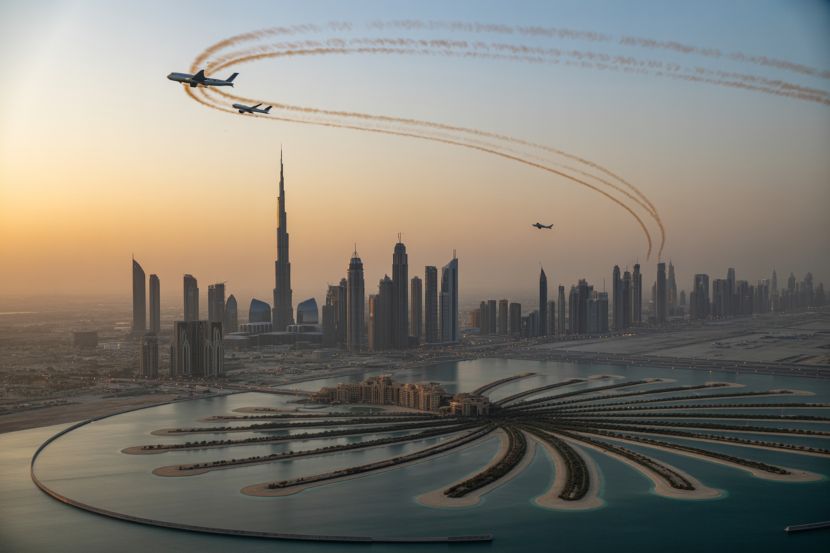
Middle East airspace crisis, stretching from Dubai’s The Palm and Abu Dhabi to Tehran, Doha and beyond, is rapidly reshaping the global tourism and aviation landscape. Escalating military tensions involving Israel, Iran and the United States have moved far beyond diplomatic headlines, directly impacting international flight routes, Gulf aviation hubs and global travel demand. The reported bombing of a luxury hotel on The Palm in Dubai and the closure of key air corridors have intensified concerns among airlines, tour operators and travelers worldwide.
The Middle East Airspace Crisis From Dubai And The Palm To Tehran, Doha And Abu Dhabi is not just a regional security issue; it is a turning point for global mobility. With flight diversions, rising oil prices, insurance surcharges and widespread booking cancellations, the tourism sector faces renewed instability at a time when airlines are still stabilizing post-pandemic operations.
A Strategic Region At The Heart Of Global Aviation
The Middle East occupies one of the most critical positions in global air travel. Aircraft connecting Europe to Asia, Australia and parts of Africa often transit through airspace over Iran, Iraq, Syria and the Gulf region. When tensions escalate in this corridor, airlines are forced to redraw their operational maps almost overnight.
Iran’s geographical position is particularly pivotal. If its airspace becomes restricted, airlines must reroute either north via Turkey and Central Asia or south via Egypt and Saudi Arabia. These diversions can add between 90 minutes and three hours to long-haul journeys such as Paris to Bangkok or London to Dubai. Longer flight times mean higher fuel burn, crew scheduling complications and cascading delays across global networks.
For travelers, this translates into extended layovers, missed onward connections and rising fares as carriers adjust to higher operating costs.
Gulf Mega-Hubs Under Pressure: Dubai, Doha And Abu Dhabi
The aviation model of the Gulf has long been built around super-connector hubs. Dubai (home to Emirates), Doha (Qatar Airways) and Abu Dhabi (Etihad Airways) function as transit lifelines linking Europe, Asia, Africa and Oceania.
When security concerns intensify near these airports, the ripple effect is immediate. Temporary closures or operational restrictions can strand tens of thousands of transit passengers within hours. Even limited airspace disruptions create uncertainty, prompting some American and European airlines to suspend services as a precaution.
Reports of Dubai airport disruptions have further heightened anxiety in the travel community. For tourism-dependent cities like Dubai and Abu Dhabi, even short-term shutdowns impact hotels, cruise departures, events and business travel.
Travel Tip: What Transit Passengers Should Do Now
Monitor airline advisories and civil aviation updates daily.
Avoid tight connections in affected hubs.
Consider flexible tickets or travel insurance covering geopolitical disruptions.
Check visa policies if overnight stays become necessary due to diversions.
The Strait Of Hormuz And The Price Of Travel
Beyond aviation logistics lies a deeper economic dimension. The Strait of Hormuz, through which roughly 20 percent of the world’s oil supply transits, is a strategic chokepoint bordering Iran and Gulf states. Any threat to its stability sends crude oil prices higher.
Airlines are extremely sensitive to fuel fluctuations. Aviation fuel represents one of their largest operating expenses. When oil prices spike, airlines often introduce or increase fuel surcharges. For travelers, this means higher ticket prices on both short-haul and long-haul routes.
Insurance premiums also rise sharply when aircraft operate in or near conflict zones. War-risk coverage becomes more expensive, and in some cases, certain routes may become commercially unviable. This has historically led to route suspensions, particularly for smaller or financially fragile carriers.
Tourism’s Invisible Enemy: Perception And Precaution
Tourism does not operate solely on logistics; it thrives on perception. Even destinations geographically distant from active conflict can experience cancellations due to traveler caution.
Countries such as Egypt, Jordan, Cyprus and Turkey often face spillover impacts. Although not directly involved in hostilities, their proximity to the broader region can trigger widespread booking hesitations. Cruise itineraries may be revised, pilgrimage travel may decline, and conference tourism may relocate to alternative destinations in Western Europe, North America or Southeast Asia.
The phenomenon creates a “domino effect.” As demand shifts to perceived safe havens, destinations like Spain, Italy, Thailand or the United States can experience sudden price inflation and hotel occupancy surges, while Middle Eastern and Eastern Mediterranean tourism sectors struggle with abrupt downturns.
Airlines Still Recovering From Pandemic Shock
The global aviation industry is still navigating post-pandemic restructuring. Fleet sizes were reduced, aircraft deliveries delayed and spare parts shortages continue to affect maintenance cycles. A prolonged closure of Middle Eastern airspace could push already vulnerable carriers into deeper financial distress.
Longer routes increase aircraft utilization times and reduce operational efficiency. Crew rotations become more complex, and turnaround schedules face disruption. For airlines operating on thin margins, sustained instability may threaten viability.
Tour operators and travel agencies also face renewed pressure, particularly those heavily invested in Gulf stopover packages or religious tourism routes passing through the region.
Luxury Tourism And High-End Hospitality At Risk
Dubai’s reputation as a luxury tourism hub, highlighted by iconic developments such as The Palm, has long attracted international travelers seeking safety and opulence. Reports of attacks on high-profile properties undermine that image, even if the broader city infrastructure remains intact.
High-end travelers are particularly sensitive to security perceptions. Corporate travel planners and event organizers may shift meetings and exhibitions to alternative global cities until stability returns.
The Gulf region hosts numerous international exhibitions, sporting events and trade fairs. Any uncertainty can result in postponements, relocation or reduced attendance, affecting not only airlines but also local hospitality sectors.
Navigating The New Reality: Practical Guidance For Travelers
Strategic Booking Decisions In Uncertain Times
Opt for Refundable Fares – Flexibility is critical during volatile periods.
Review Travel Insurance Carefully – Confirm coverage for geopolitical disruptions and rerouting costs.
Track Airspace Notices – Civil aviation authorities regularly update restricted zones.
Consider Alternative Routes – Pacific or European hubs may offer more stable transit paths.
Travelers planning pilgrimage journeys, business trips or connecting flights via Gulf hubs should consult airlines directly before departure.
Wider Implications For Global Connectivity
If disruptions persist, global aviation patterns may shift structurally rather than temporarily. Northern corridors over Central Asia could see increased traffic. Airlines may invest more in direct long-haul routes, bypassing traditional Gulf connections where feasible.
For tourism boards, diversification becomes essential. Overreliance on transit tourism or regional stopovers can expose destinations to geopolitical risk. Meanwhile, airlines may reassess fleet strategy, fuel hedging policies and network flexibility.
The Middle East has historically demonstrated resilience following crises. However, prolonged instability in such a strategically vital aviation corridor has the potential to reshape travel economics worldwide.
The Road Ahead For Travelers And Tourism Stakeholders
As the situation evolves across Iran, Israel, the United Arab Emirates, Qatar and neighboring regions, the travel industry faces a delicate balancing act. Operational continuity must align with safety assessments, while destinations strive to reassure global visitors.
Tourism remains deeply interconnected with geopolitics. The present Middle East airspace crisis serves as a reminder that a single region can influence flight paths, ticket prices and traveler confidence on a global scale.
For now, vigilance, flexibility and informed planning remain the most powerful tools for travelers navigating this uncertain chapter in international aviation.
The post Air Travel Turmoil Spreads From Iran and Israel to Dubai, Doha, Riyadh, Paris and Southeast Asia as Gulf Hubs Face Growing Uncertainty — A Crucial Update for Global Tourists Planning Their Next Trip appeared first on Travel And Tour World.
Source: travelandtourworld.com



Sorry, the comment form is closed at this time.