


Airbnb Embraces Rural Tourism in Germany, Italy and Brazil, Offering Unique Nature Experiences for Modern Travelers
Airbnb Embraces Rural Tourism in Germany, Italy and Brazil, Offering Unique Nature Experiences for Modern Travelers
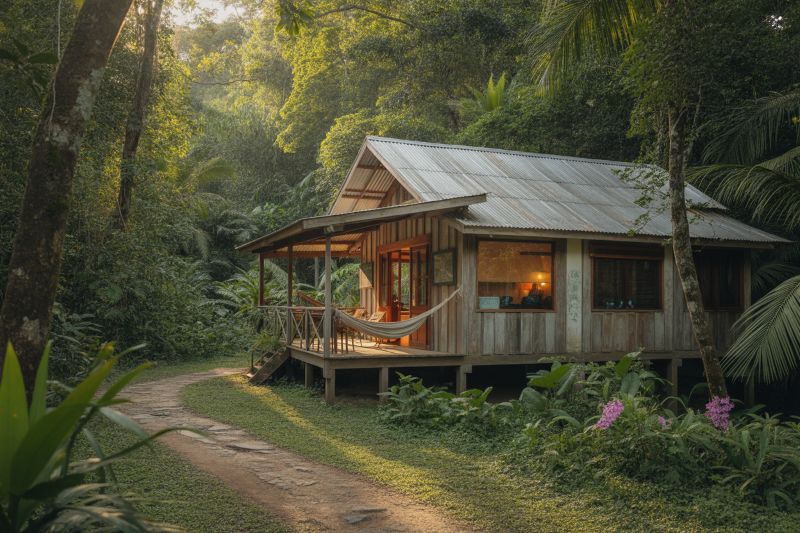
Airbnb, which has traditionally been associated with urban rentals, is now expanding its services to rural areas. This can be seen as a change in the preferences of modern travelers. As the company changes with the times to meet the demands of modern travelers, it is not only offering rentals in rural areas but also trying to tap into the growing need for peaceful environments and nature.
This comes at a time when modern travelers, especially the younger generation, are looking for authentic experiences that are peaceful and quiet, as opposed to the hustle and bustle of city life. As part of this change, Airbnb is not only offering rentals to travelers but also a range of services.
Expanding the Travel Experience Beyond Accommodation
Airbnb has always been known for offering unique stays, but the company is now positioning itself as a complete travel platform. In addition to traditional lodging options, Airbnb now provides a wide variety of services, such as airport shuttles, city tours, and even private chefs. These offerings aim to deliver a more personalized and comprehensive travel experience, appealing to tourists who seek convenience and tailored services during their trips.
The company’s commitment to transforming itself into a comprehensive travel booking portal was highlighted during the ITB Berlin conference, where Airbnb’s Chief Strategy Officer, Nathan Blecharczyk, explained how the platform is becoming a one-stop shop for all travel needs. This shift underscores Airbnb’s strategy to meet the evolving demands of travelers who want more than just a place to stay but a holistic, seamless journey.
AI-Driven Innovations Enhancing the Customer Experience
A key part of Airbnb’s strategy to improve its services is the use of Artificial Intelligence (AI). Airbnb utilizes AI to streamline customer service, with one-third of all support requests now being handled by AI. This allows for faster response times and more efficient problem-solving for customers, reducing the reliance on human agents for routine inquiries.
AI also plays a critical role in travel planning. By analyzing booking histories and customer preferences, Airbnb is able to offer personalized recommendations, helping users plan their trips based on past behavior and interests. This AI-driven approach is part of Airbnb’s broader effort to enhance the user experience, making it easier for travelers to discover new destinations and activities that align with their preferences.
Introducing New Features and Expanding Services
Airbnb has also introduced several new features to improve the booking process. For example, the company rolled out a “book first, pay later” option in Germany, which has since expanded to other countries. This service allows travelers to reserve accommodations and activities before committing to payment, making it easier for them to lock in their travel plans without immediate financial pressure.
Additionally, Airbnb has started to offer bookings for boutique hotels, expanding beyond private rentals to include small, unique hotel options. These properties are designed to offer the same authentic, personalized experience that Airbnb is known for, providing travelers with more diverse choices for accommodations. This move also opens up new opportunities for smaller, independently-owned hotels to reach a wider audience through Airbnb’s global platform.
The Shift to Rural Travel: Meeting the Demand for Nature and Tranquility
While Airbnb originally focused on urban markets, recent trends show a growing interest in rural regions, particularly among younger travelers. Gen Z, in particular, is showing a strong preference for destinations that offer tranquility, nature, and a break from the constant connectivity and demands of city life. This shift is in response to the broader societal trend of seeking balance, relaxation, and mental well-being, especially after the stresses of the COVID-19 pandemic.
The move towards rural regions offers several advantages. For one, it enables Airbnb to tap into markets that have previously been underserved by traditional hotel chains. Many rural areas lack the large-scale hotel infrastructure typically associated with tourism, but Airbnb’s platform allows small towns and remote locations to enter the tourism market by offering private homes, cottages, and unique stays.
This expansion into rural areas also aligns with growing environmental consciousness, as travelers seek out destinations that offer more sustainable and nature-based experiences. Airbnb’s rural properties often feature eco-friendly amenities, providing tourists with a way to enjoy nature without compromising on comfort.
A Changing Relationship with City Authorities
Airbnb’s transition to rural areas is not only a response to traveler demand but also part of its evolving relationship with urban authorities. While Airbnb has faced regulatory challenges in cities around the world, where short-term rentals have been restricted or banned, the company is working to present itself as a partner to local governments.
For example, Airbnb has begun forwarding taxes from hosts directly to local authorities, which helps ensure compliance with local regulations and contributes to the communities where it operates. This approach reflects Airbnb’s efforts to be seen as a responsible player in the tourism industry, one that supports local economies and works within the regulatory frameworks of the regions it serves.
In some cities, where Airbnb has been banned or heavily regulated, the expected relief in the housing market has not materialized. Instead, rents have continued to rise, highlighting the complexities of balancing tourism and housing availability in urban areas. This has prompted Airbnb to shift focus to rural regions, where there are fewer regulatory hurdles and greater opportunities to introduce tourism in areas that have traditionally been overlooked.
Focus on Emerging Destinations
Airbnb’s expansion into rural areas is also part of a broader strategy to focus on emerging destinations, particularly in countries like Brazil and India, which are among its fastest-growing markets. These regions, with their rich cultural offerings and unique landscapes, present significant opportunities for Airbnb to introduce travelers to new experiences and create new demand for rural tourism.
Europe, too, remains a key focus for Airbnb. The company aims to strengthen its presence in markets like Germany and Italy, where rural tourism is already gaining traction. By offering a wider range of accommodations and services in these regions, Airbnb hopes to cater to the growing demand for authentic, nature-based travel experiences across the continent.
The Future of Travel: Embracing the Shift to Rural and Nature-Focused Destinations
The future of travel is being shaped by the growing desire for authenticity, tranquility, and connection with nature. Airbnb’s move into rural regions reflects this shift, as the company adapts to the changing preferences of modern travelers. By offering not just accommodation but a comprehensive travel experience, Airbnb is positioning itself as a leader in the evolving tourism landscape.
As the demand for rural travel continues to grow, Airbnb’s platform will play an increasingly important role in connecting travelers with unique, off-the-beaten-path destinations. Whether it’s a remote cabin in the woods or a charming boutique hotel in a small village, Airbnb is helping to redefine what it means to travel, offering more diverse and personalized experiences that meet the needs of today’s conscious and adventurous tourists.
A New Era for Airbnb and Rural Tourism
With the increasing emphasis on rural areas and nature-based travel, Airbnb is all set to change the face of the tourism sector. By using AI, increasing the portfolio of its services, and entering the rural market, Airbnb is catering to the needs of the new generation of travelers who are looking for authentic experiences, peace, and nature-friendly travel options. Thus, with its continued innovation and adaptability, Airbnb is paving the way for the next big wave in the world of travel, which will be a perfect blend of modern living and nature.
The post Airbnb Embraces Rural Tourism in Germany, Italy and Brazil, Offering Unique Nature Experiences for Modern Travelers appeared first on Travel And Tour World.
Source: travelandtourworld.com



Sorry, the comment form is closed at this time.