


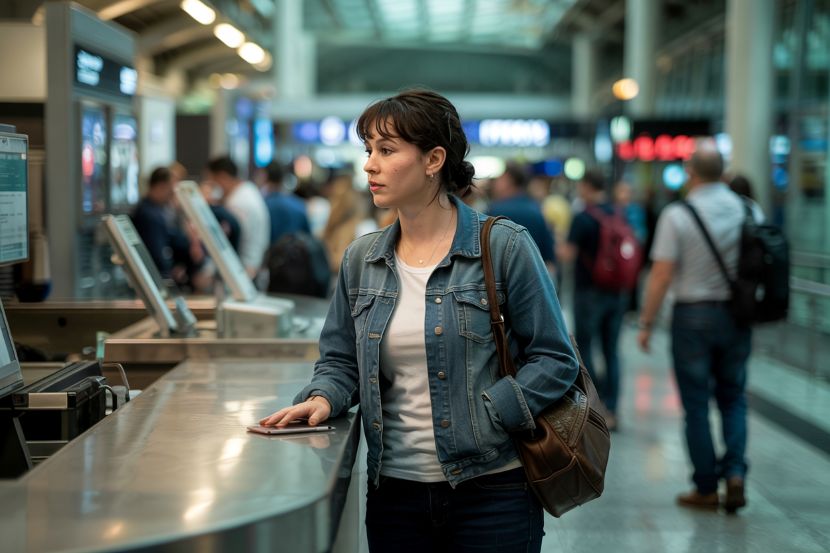
Airline Travel Made Easy: Ten Policies Every Traveller Should Be Aware Of, What You Need To Know
Airline Travel Made Easy: Ten Policies Every Traveller Should Be Aware Of, What You Need To Know
Every airline has specific baggage allowances, which include both carry-on and checked luggage. Passengers should always check the specific policy of the airline they are flying with, as these can vary widely. In general:
Carry-on baggage is limited to a certain size and weight, often around 7-10 kg (15-22 lbs).
Checked baggage may incur additional fees depending on the airline and fare class, especially for economy passengers.
Excess baggage charges apply for luggage exceeding weight or size limits. Always confirm limits before heading to the airport to avoid surprises.
2. Refunds and Cancellations: Your Rights
When a flight is cancelled or significantly altered, U.S. law mandates that airlines offer a refund to passengers who choose not to accept alternative arrangements. Airlines are obligated to refund the full amount for the ticket purchased, regardless of whether the flight was refundable. Airlines may also offer travel credits or vouchers instead of cash in some cases, but passengers must be aware of these options before agreeing.
3. Compensation During Delays and Cancellations
Under U.S. law, if your flight is delayed or canceled due to reasons within the airline’s control (such as maintenance or crew issues), you are entitled to compensation. This can include meal vouchers, hotel accommodation, and rebooking on a later flight. For delays over 3 hours, some airlines also provide additional compensation, including monetary reimbursement or frequent flyer points. However, delays due to weather or other uncontrollable events do not qualify for compensation.
4. Overbooking and Bumping: What Happens if You’re Denied Boarding?
Airlines often overbook flights to account for no-shows. If the flight is full and no volunteers come forward to give up their seats, passengers may be involuntarily bumped. In this case, airlines must provide compensation, which could include flight vouchers, hotel accommodations, and meals. If bumped passengers are forced to wait more than 4 hours, they are entitled to cash compensation or a full refund.
5. Seat Selection and Upgrades: What You Should Know
Most airlines allow passengers to choose seats during booking or at check-in. While some airlines offer complimentary seat selection in standard economy, others charge for premium seats (e.g., exit rows or extra legroom). It’s important to check the airline’s seat policy for any upgrade fees or extra costs for preferred seating. For loyalty program members, upgrades may be available on a standby basis.
6. Changing Your Flight: Fees and Policies
Airlines generally charge change fees for altering a ticket, especially on non-refundable tickets. However, many airlines have adjusted their policies in recent years, offering flexible booking options due to the pandemic. It’s important to verify if the airline allows free changes or if there are any additional charges based on your fare class. Some airlines have recently eliminated change fees for domestic flights, making it easier for passengers to adjust their plans without penalty.
7. Pet Policies: Flying with Your Furry Friend
Travelling with pets can be tricky, as each airline has its own pet policy. In most cases, small pets can be carried in the cabin for a fee, while larger pets may need to be transported in the cargo hold. Each airline sets its own pet fee, weight limits, and documentation requirements for vaccinations and health checks. Airlines often restrict the number of pets per cabin, so it’s important to book early and check the airline’s policy ahead of time.
8. In-Flight Entertainment and Wi-Fi Access
Most airlines now provide in-flight entertainment (IFE) for passengers, either through personal screens or BYOD (Bring Your Own Device) systems. Some airlines offer free Wi-Fi, while others charge a fee, often based on the length of the flight. Many airlines offer premium subscriptions or one-time passes for Wi-Fi. It’s always best to confirm access availability before boarding, especially on international flights.
9. Flying with Children: Unaccompanied Minors and Family Travel
Airlines typically offer unaccompanied minor services for children aged 5 to 14, providing escort services and ensuring their safety during the flight. Passengers flying with infants or children can often get priority boarding or access to baby bassinets on long-haul flights. Some airlines also allow strollers or diaper bags to be carried free of charge, alongside the standard baggage.
10. Alcohol and Carrying Liquids
Airlines have strict rules on liquids that can be brought on board, especially in carry-on baggage. TSA’s 3-1-1 rule allows only small amounts of liquids in containers of 3.4 ounces (100 millilitres) or less. For alcohol, passengers are typically allowed to carry alcohol purchased after passing through security, but drinking alcohol brought onto the plane is prohibited unless served by the flight attendants.
Being Informed Helps Ensure a Better Travel Experience
Air travellers need to understand airline policies because they help them have better airport experiences when they travel, since they need to learn about baggage restrictions, refund procedures and their rights during delays. Travellers should understand the specific details of cancellation policies, seat selection rules and fee structures because this knowledge will help them avoid expensive errors. Passengers who keep themselves updated about flight information will experience a more enjoyable and relaxing travel experience.
The post Airline Travel Made Easy: Ten Policies Every Traveller Should Be Aware Of, What You Need To Know appeared first on Travel And Tour World.
Source: travelandtourworld.com



Sorry, the comment form is closed at this time.