


Airport Chaos in Germany Exposed: Why Your Next Flight Could Be Cancelled Without Warning and How It Affects Travellers!
Airport Chaos in Germany Exposed: Why Your Next Flight Could Be Cancelled Without Warning and How It Affects Travellers!
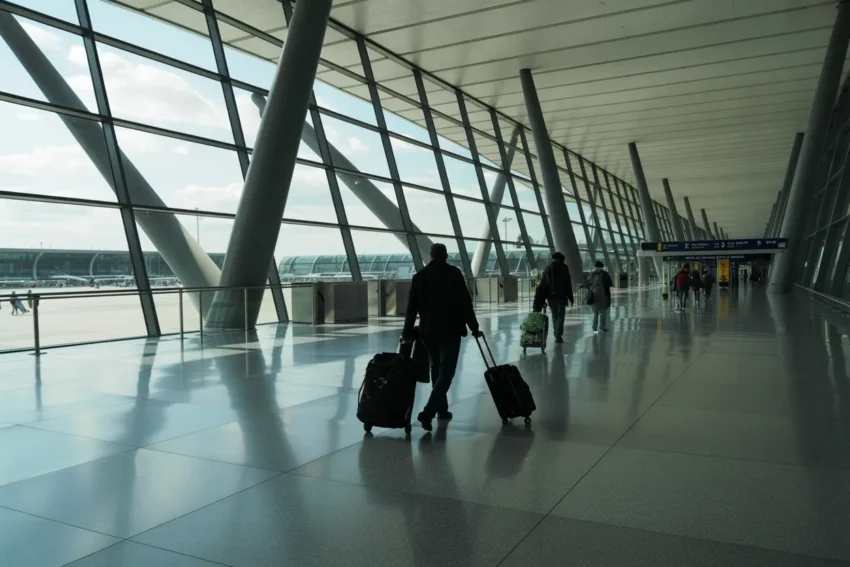
The ongoing flight disruptions occurring at major German airports are currently being monitored as a significant crisis within the European transport sector. It has been observed that Frankfurt Airport and Munich Airport are the primary centres of these logistical failures, primarily driven by severe staffing shortages and the prevalence of overbooked flights. As the global appetite for air travel intensifies, the aviation capacity of the region is being tested beyond its current limits. These systemic issues are reported to have created massive ripple effects across the entire Europe travel network, leading to widespread uncertainty for millions of international passengers and business travelers alike.
The Hidden Staffing Crisis Destroying The Dreams Of Thousands Of Travellers
It is documented that the ground handling and security sectors at both Frankfurt Airport and Munich Airport are struggling to maintain the required personnel levels to manage the post-pandemic surge in passenger numbers. During the global health crisis, a significant portion of the workforce was diverted to other industries, and it is now found that the recruitment of qualified replacements is hampered by stringent background checks and specialized training requirements. Consequently, the processing of baggage and the screening of passengers are being conducted at a pace that is insufficient to meet the scheduled flight departures.
The situation is further complicated by the fact that many veteran employees chose early retirement or career changes, leaving a massive void in operational expertise. It is observed that even with the implementation of higher wages and recruitment bonuses by major carriers like Lufthansa, the deficit in manpower remains a persistent hurdle. The lack of sufficient ground crew has resulted in aircraft being held on the tarmac for extended periods, which in turn disrupts the arrival and departure slots for subsequent flights throughout the day.
Overbooked And Overwhelmed: The Shocking Truth Behind Your Cancelled Ticket
A trend of significant overbooking has been identified as a major contributor to the current turmoil. In an attempt to maximise revenue and compensate for previous financial losses, airlines have been seen to sell more seats than are physically available on many popular routes. While this is a standard industry practice, it is being found that the lack of available standby aircraft and crew means that even minor technical delays are now escalating into full-scale cancellations. When a flight is cancelled, the overbooked status of subsequent flights ensures that displaced passengers cannot be easily re-accommodated, leading to multi-day delays for many families.
The management teams at Frankfurt Airport have noted that the saturation of the terminal buildings is reaching critical levels during peak hours. It is reported that thousands of travellers are being forced to wait in long queues that extend outside the main buildings, as the internal infrastructure is unable to handle the volume of people who are unable to board their scheduled flights. This overcrowding is being viewed with concern by safety officials, who are worried about the potential for medical emergencies and the general wellbeing of the traveling public.
The Domino Effect: How Germany Is Breaking The Entire European Aviation System
The strategic importance of Germany as a central hub for European aviation means that the disruptions in Frankfurt and Munich are not contained within German borders. A domino effect is being observed, where a delay in a morning departure from a German hub causes a corresponding delay in arrival at destinations such as London Heathrow, Paris Charles de Gaulle, and Amsterdam Schiphol. Because many aircraft are scheduled to perform multiple rotations across the continent in a single day, a single staffing failure in Germany can lead to the cancellation of flights in countries that are hundreds of miles away.
Furthermore, the integration of the European rail and air networks means that the failure of the aviation sector is placing an unsustainable burden on train services. High-speed rail lines operated by Deutsche Bahn are being reported as fully booked, as desperate passengers seek alternative methods to reach their destinations. It is noted that the sudden shift from air to rail is causing overcrowding on platforms and a lack of available seating on international train routes, further extending the geographical reach of the initial disruptions.
Emergency Measures And Government Intervention: Can The Sky Be Saved?
In response to the escalating crisis, the German federal government is being urged to intervene to streamline the vetting processes for new airport staff. Discussions are reportedly held regarding the temporary recruitment of foreign workers to fill the gaps in ground handling services. However, it is acknowledged that such measures will take time to implement and will not provide an immediate solution to the chaos being experienced during the current travel season.
Aviation experts suggest that a mandatory reduction in flight schedules may be the only viable short-term solution to ensure a degree of reliability. By proactively cancelling a percentage of flights weeks in advance, airlines could potentially ensure that the remaining flights are adequately staffed and that the airports are not overwhelmed. This strategy, however, is met with resistance from the tourism sector, which is eager to capitalise on the high demand for summer and autumn travel. The balance between economic growth and operational stability is currently described as being in a state of extreme tension.
The Future Of Flight: Will Traveling Ever Be Simple Again?
Looking ahead, it is predicted that the challenges facing the German aviation sector will persist well into the next calendar year. The long-term solution is believed to lie in the increased automation of airport processes and the fundamental restructuring of how airlines manage their schedules. Digital check-in systems, automated baggage drops, and biometric security gates are being highlighted as essential investments to reduce the reliance on manual labour.
Until these technological advancements are fully integrated, the public is being advised to expect a more volatile travel environment. It is recommended that travellers ensure they have comprehensive insurance coverage and that they remain in constant communication with their service providers. The current state of affairs serves as a stark reminder of the fragility of the global travel network and the critical importance of a stable and well-supported workforce. As the industry evolves, the lessons learned from the 2025 and 2026 disruptions are expected to shape the future of aviation policy for the next decade.
The post Airport Chaos in Germany Exposed: Why Your Next Flight Could Be Cancelled Without Warning and How It Affects Travellers! appeared first on Travel And Tour World.
Source: travelandtourworld.com


Sorry, the comment form is closed at this time.