


Airports in Chaos: Dubai Joins Doha, and Abu Dhabi Suspend Operations — The Shocking 2026 Shutdown No One Saw Coming!
Airports in Chaos: Dubai Joins Doha, and Abu Dhabi Suspend Operations — The Shocking 2026 Shutdown No One Saw Coming!
Dubai Joins Doha, and Abu Dhabi suspended operations. The sudden shutdown, which no one saw coming, stunned the world and left travellers stranded across the region. These three major international airports, known for their fast-paced, high-volume operations, were completely halted as authorities took drastic measures. What caused this unprecedented shutdown, and why did Dubai, Doha, and Abu Dhabi all choose to ground their flights? The reasons behind this massive disruption were rooted in urgent safety concerns and escalating tensions in the region. The closure affected thousands of passengers and led to a ripple effect across global air travel. In this article, we uncover the facts behind this aviation crisis and explore how the Gulf’s busiest airports were forced into such a dramatic decision.
Why Did Gulf Airports Shut Down in 2026?
On 2 March 2026, the UAE’s General Civil Aviation Authority (GCAA) made the unprecedented decision to close its airspace. The statement from the GCAA declared that this temporary closure was a precautionary measure to ensure the safety of flight crews and to protect national airspace amid rising regional tensions. The UAE clarified that only limited flights for cargo and repatriation would be allowed, all subject to strict safety approvals. The shutdown was an urgent response to increasing threats in the region, with safety taking precedence over all commercial considerations.
This swift action set a precedent, with Qatar’s Civil Aviation Authority (QCAA) following suit by halting all air traffic in Qatari airspace. The QCAA explained that the decision was made to protect passengers, aircraft, and airspace in light of escalating security concerns. The move sparked a cascade of disruptions, grounding flights across both nations and leaving tens of thousands of travellers in limbo.
Hamad International Airport Faces Uncertainty
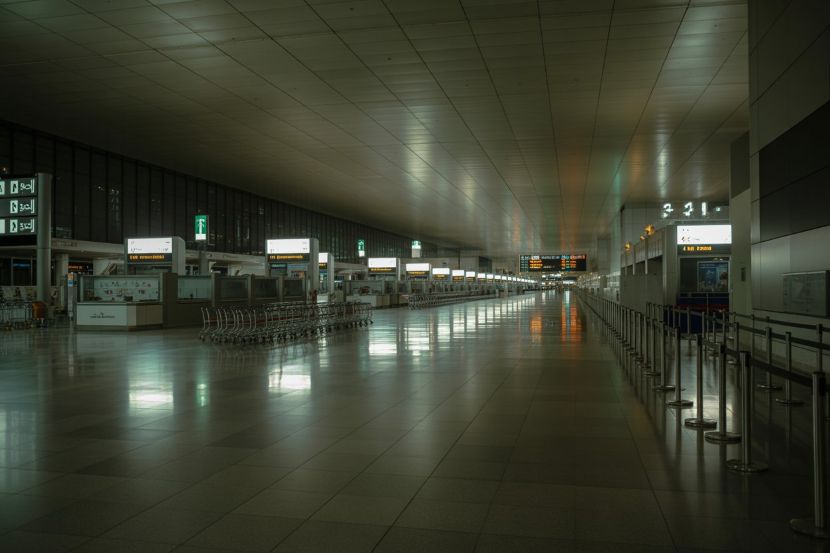
Hamad International Airport, one of the world’s most modern and busiest aviation hubs, was not immune to the chaos. On the morning of 2 March 2026, the airport’s operations were brought to an abrupt halt as the QCAA’s directive to close the airspace took effect. As word spread, travellers found themselves in a state of confusion. Many passengers who had checked in or were already in transit were forced to wait in an empty terminal with no clear information about the status of their flights.
The airport’s official website and social media channels posted constant updates, urging travellers not to come to the airport unless they had received confirmation from their airline. The airport remained eerily silent for hours as aviation authorities scrambled to assess the situation. The closure of Hamad International marked a significant blow to the Gulf’s transport infrastructure, throwing the regional airline industry into a tailspin.
Dubai and Abu Dhabi Follow Suit with Limited Operations
As the crisis deepened, the UAE’s national carriers, including Emirates and Etihad Airways, were among the first to react. Emirates announced that it would begin limited flight operations on the evening of 2 March, prioritising repatriation flights and repositioning aircraft. Emirates was clear in its communication: only a handful of flights would operate, and all other scheduled services remained cancelled until further notice. The airline urged its passengers to await further instructions and stay updated through official channels.
Similarly, Etihad Airways followed a restricted plan of operations, focusing on repatriation services and cargo flights. Etihad’s statement emphasised that safety remained its top priority and that only those flights approved by the government would operate. As the UAE airports slowly resumed operations, passengers were warned not to show up at airports unless directly contacted by their airline.
In Abu Dhabi, the partial reopening of Zayed International Airport (AUH) occurred under the same tight restrictions. The airport announced limited operations, coordinating with airlines to restart only the most critical flights. Like the other airports in the region, Abu Dhabi also stressed the importance of not heading to the airport without prior confirmation from airlines.
Stranded Passengers: Chaos at the Airports
With all flights cancelled and the airports locked down, thousands of passengers found themselves stranded in the UAE and Qatar. Families, tourists, business travellers, and medical patients were left with little choice but to wait in the terminals as the uncertainty of the situation lingered. Many passengers were in the midst of their travels when the airspace closures were enforced, while others were stuck at the airports, unable to proceed with their plans. The atmosphere was one of confusion and frustration.
Reports flooded social media from stranded travellers, sharing stories of missed weddings, job interviews, and medical appointments. Families were forced to sleep on the floors of airports, while airlines scrambled to provide accommodation vouchers and meal allowances. Despite best efforts, the sheer scale of the disruption made it difficult for airlines to handle the backlog of passengers. The ripple effect of this crisis was felt far beyond the Gulf, with travel across the region severely impacted.
What Sparked the Gulf’s Airspace Closures?
While the authorities in both the UAE and Qatar were quick to act, the exact reasons behind the decision remained vague. Both the GCAA and QCAA referred to “developments in the region” as the driving force behind the shutdown. Analysts quickly pointed to a sudden spike in regional tensions, with several reports suggesting that military activity in neighbouring areas could have posed a direct threat to civilian aviation. However, no specific incidents were confirmed by the authorities, leaving room for speculation and concern among the travelling public.
The absence of detailed information about the crisis added to the uncertainty. Passengers were left to wonder whether the disruption would last days or weeks, and how it would affect their travel plans in the long term. As government statements remained disciplined and careful, the lack of information left the public in the dark.
Exceptional Flights: A Lifeline for Stranded Passengers
As the days passed, the UAE and Qatar began to arrange exceptional flights to alleviate some of the strain. The GCAA announced that exceptional flight operations would begin on 2 March, allowing limited flights to operate for repatriation and repositioning purposes. These flights were critical in helping stranded travellers return home, with airlines instructed to prioritise passengers who had already been rebooked or had urgent travel needs.
Cargo flights also began to resume, although they were subject to strict safety protocols and approval from aviation authorities. For many businesses relying on timely deliveries, these flights provided a critical lifeline. However, with regular services still suspended, the overall number of flights remained minimal, and it would be some time before the skies were fully reopened.
The Impact on Cargo and Business Operations
In addition to the challenges faced by passengers, the closure of Gulf airspace had a significant impact on global trade. The Gulf region is a major hub for international cargo flights, with essential goods like medical supplies, industrial parts, and food products passing through airports like Dubai and Doha. With airspace closed, many shipments had to be rerouted through other hubs in Saudi Arabia, Oman, and beyond.
The disruption also affected businesses operating in the region. Companies had to adapt quickly, with logistics companies working to find alternative routes for time-sensitive deliveries. The cost of shipping goods through alternative routes soared as businesses sought to mitigate the effects of the airspace closures.
The Role of Social Media and Official Channels
During the crisis, official government channels and social media became the primary sources of information for passengers. The UAE’s and Qatar’s aviation authorities used platforms like Twitter, Instagram, and official websites to keep travellers informed of the latest developments. This transparency helped combat rumours and misinformation that spread rapidly on social media. By centralising information through verified channels, aviation authorities were able to ensure that passengers followed the correct instructions and stayed informed.
Despite these efforts, the sheer volume of information circulating on social media meant that some travellers still received conflicting advice. The importance of following official updates became clear as the situation unfolded, highlighting the role of effective communication in managing such crises.
Looking Ahead: What’s Next for the Gulf’s Airports?
As the days went by, it became clear that a full reopening of the Gulf’s major airports would not happen immediately. While some limited flights resumed, the majority of operations remained grounded. Officials warned that it would take time for operations to return to normal, and that safety remained the top priority.
Experts predicted that the reopening would be gradual, starting with essential cargo and repatriation flights, followed by limited commercial services. Passengers were advised to be patient and flexible as they awaited updates from their airlines. For many, the uncertainty was overwhelming, but they were urged to remember that the decision to close the skies had been made with their safety in mind.
Safety First, Convenience Second
The Gulf airport shutdown of 2026 was an unprecedented event that demonstrated the fragility of global aviation in the face of regional instability. The swift and decisive actions taken by the UAE and Qatar’s aviation authorities may have caused massive disruptions, but they also ensured that travellers and crews remained safe. As the situation slowly improves, the aviation industry will undoubtedly review its contingency plans and invest in more resilient systems for handling such crises. In the meantime, passengers are reminded that safety comes before convenience, and that patience remains the key to navigating the ongoing uncertainty.
The post Airports in Chaos: Dubai Joins Doha, and Abu Dhabi Suspend Operations — The Shocking 2026 Shutdown No One Saw Coming! appeared first on Travel And Tour World.
Source: travelandtourworld.com



Sorry, the comment form is closed at this time.