


Amsterdam is Navigating Overcrowding and Cultural Preservation with River Cruises Playing a Vital Role in Shaping a Sustainable Future
Amsterdam is Navigating Overcrowding and Cultural Preservation with River Cruises Playing a Vital Role in Shaping a Sustainable Future
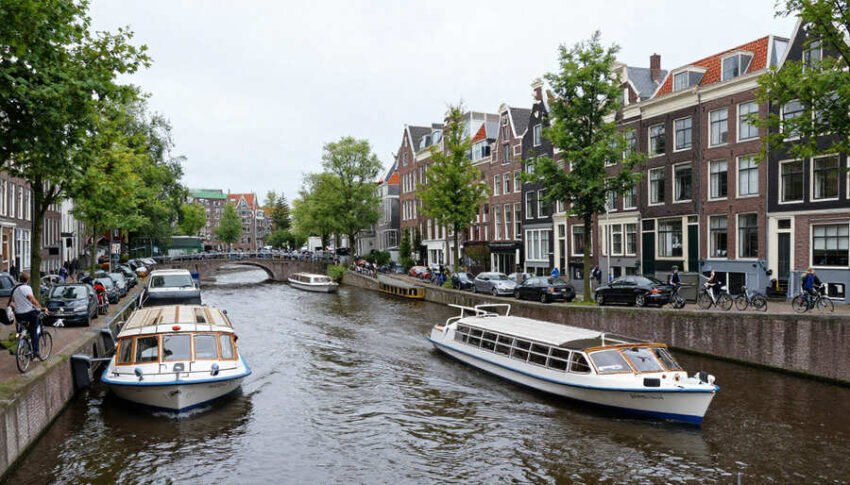
Amsterdam, with its iconic canals, art-filled museums, and historic architecture, has long been a favorite destination for travellers worldwide. However, the increasing number of tourists arriving each year is creating challenges for the city. The city’s historic charm is being threatened by overcrowding, environmental degradation, and pressure on local residents. With tourism continuing to rise, the question is: How can Amsterdam maintain its global appeal without compromising its livability and cultural integrity? One promising solution gaining traction is managed tourism, particularly through smaller river cruises.
Addressing the Growing Strain of Tourism
Amsterdam has become one of the most visited cities in Europe, attracting millions of tourists annually. While tourism is a significant economic driver, the surge in visitors, particularly those arriving by air and sea, has created new challenges. The influx of tourists during peak times has led to overcrowding at popular attractions, creating uncomfortable conditions for both locals and tourists.
In response to these issues, Amsterdam has begun exploring ways to manage tourism in a more sustainable way. Managed tourism focuses on distributing tourist flows more evenly throughout the city, thereby easing congestion and spreading the benefits of tourism to less-visited areas. This approach aims to balance the needs of visitors and residents while preserving the city’s unique character and cultural heritage.
River Cruises: A Sustainable Solution for Amsterdam
Unlike the massive cruise ships that dominate major ports, river cruises are smaller, more intimate vessels that typically carry around 200 passengers. This size makes them an ideal solution for reducing the strain on Amsterdam’s infrastructure. River cruises can visit a variety of locations throughout the city, allowing tourists to explore both famous landmarks and lesser-known neighbourhoods. By avoiding the overcrowded city center, river cruises help to relieve pressure on Amsterdam’s most popular attractions, encouraging visitors to discover new and diverse areas of the city.
Another key benefit of river cruises is that these smaller vessels can dock directly in Amsterdam’s city center, offering easy access to top tourist spots without the need for bus transfers. This eliminates the pollution and traffic congestion typically associated with large-scale transport methods, making river cruises an environmentally friendly choice for sustainable tourism.
Economic Benefits of River Cruises
While river cruises may represent a smaller portion of Amsterdam’s tourism volume, their economic impact is significant. River cruises contribute an estimated €221 million annually to the local economy, generating over 365,000 hotel nights and supporting nearly 2,000 jobs. This contribution is vital in a city that relies heavily on tourism for its economic health.
Furthermore, river cruises support a broader range of businesses across the city. With visitors being spread out into various neighbourhoods, smaller and less-visited areas of Amsterdam benefit from the influx of tourists, helping local shops, cafes, and attractions thrive. This approach reduces the reliance on overburdened tourist hotspots and helps to build a more resilient and diverse local economy.
Preserving Amsterdam’s Cultural Integrity
Amsterdam’s rich cultural heritage is one of the main reasons why visitors flock to the city. However, the rise in tourism has led to concerns about preserving the authenticity of the city’s historic sites. The introduction of managed tourism, with a focus on smaller river cruises, offers a solution that enables Amsterdam to continue attracting visitors without compromising its cultural identity.
By limiting the number of visitors to key attractions and spreading tourist activity across a wider area, Amsterdam can reduce the negative effects of mass tourism, such as overcrowding and environmental degradation. River cruises help to preserve the integrity of the city’s historical landmarks by ensuring that large numbers of tourists are not concentrated in one location at the same time.
A Vision for the Future of Amsterdam
As cities around the world face similar tourism-related challenges, Amsterdam’s focus on managed tourism provides a model for balancing growth with sustainability. The city can continue to attract tourists and support its economy while preserving its unique cultural heritage and quality of life for its residents. River cruises are part of this solution, offering a more sustainable and responsible form of tourism that benefits everyone.
By continuing to promote the benefits of managed tourism, Amsterdam can become a leader in sustainable tourism practices. Through careful planning and collaboration with tourism operators and local stakeholders, the city can ensure that tourism remains a positive force for both the local community and visitors. As the world continues to face the pressures of overtourism, Amsterdam’s approach offers a roadmap for other cities to follow in creating a more balanced and sustainable tourism model.
The post Amsterdam is Navigating Overcrowding and Cultural Preservation with River Cruises Playing a Vital Role in Shaping a Sustainable Future appeared first on Travel And Tour World.
Source: travelandtourworld.com

Sorry, the comment form is closed at this time.