


Angola Steals the Global Travel Spotlight At ITB Berlin 2026: Here’s the Historic Moment of 60th Anniversary of the Event!
Angola Steals the Global Travel Spotlight At ITB Berlin 2026: Here’s the Historic Moment of 60th Anniversary of the Event!
The international tourism community is currently witnessing a historic milestone as the ITB Berlin 2026 60th anniversary celebration unfolds in the heart of Germany. As the world’s leading B2B travel trade fair, this event serves as the ultimate barometer for an industry characterized by resilience innovation and sustainability. This year, the spotlight is directed toward the Global South, with Angola emergence as host country marking a definitive shift in regional representation. Under the evocative slogan Visit Angola – The Rhythm of Life, the nation is utilizing this prestigious platform to redefine its international image. By moving beyond a history defined by civil war and oil dependence, the country is showcasing its cultural assets and natural landmarks to a global audience. Amidst a backdrop of global tourism trends and 2025 growth data, the fair highlights how technology and innovation are being harnessed to lead the industry into a new era of equilibrium.
From War Zones to Waterfalls: The Shocking Transformation of Africa’s Best Kept Secret!
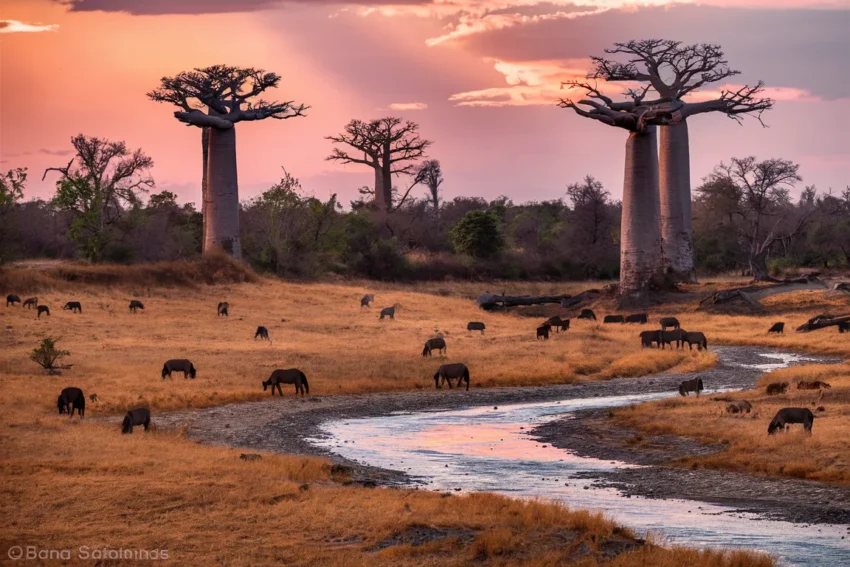
The narrative of the Republic of Angola is being fundamentally rewritten through its high-profile participation as the official partner of ITB Berlin. It is observed that the transition from a resource-dependent economy to a diverse tourism destination is being spearheaded by the Ministry of Tourism to foster long-term economic stability. The “Rhythm of Life” campaign is built upon four strategic pillars: natural rhythm, living rhythm, cultural rhythm, and musical rhythm. These themes are designed to invite travelers to experience the authentic pulse of the nation, from the vibrant streets of Luanda to the serene vastness of the Namibe Desert.
Central to this repositioning is the promotion of Kalandula Falls, one of Africa’s largest waterfalls by volume, located in Malanje Province. Unlike more commercialized landmarks, these falls are presented as a haven of tranquility, offering an unscripted encounter with nature. Furthermore, the Pedras Negras de Pungo Andongo—imposing black rock formations steeped in local legend—are being marketed to adventure enthusiasts and cultural explorers. By emphasizing these “untouched” treasures, the Angolan government seeks to attract a demographic of travelers who prioritize authenticity and environmental preservation over mass-market experiences.
The 60-Year Legacy: Why This Anniversary Is Changing Everything You Know About Travel!
Since its inception in 1966, ITB Berlin has evolved from a small regional gathering into a massive global ecosystem. The 60th-anniversary edition is being celebrated under the motto “Discover the stories behind 60 years of legacy,” bringing together thousands of exhibitors from over 180 countries. It is noted that despite the ongoing geopolitical uncertainty and economic fluctuations of the early 2020s, the trade fair remains the essential meeting point for decision-makers in the travel value chain.
The resilience of the industry is reflected in the 2025 travel growth data presented during the opening sessions. International tourist arrivals are reported to have reached 1.52 billion globally, a 4% increase from the previous year. While Europe remains the largest destination region, the strongest growth rates are being recorded in Africa and the Middle East. This data provides a robust foundation for the discussions held within the Berlin Exhibition Grounds, proving that the human desire for exploration remains undeterred by external crises. The fair effectively bridges the gap between the heritage of the past six decades and the visionary strategies required for the future.
Robot Travel Agents? The Mind-Blowing Tech Taking Over Your Next Vacation!
The halls of ITB Berlin 2026 are dominated by the rapid integration of AI digital systems and automation. It is argued by industry experts that technological fluency has become the next competitive frontier for destinations and service providers. The eTravel Track at the convention features in-depth analyses of “agentic commerce,” where AI agents are envisioned to handle complex tasks such as personalized itinerary planning, real-time multilingual translations, and autonomous booking management.
Specific innovations showcased include AI-powered hotel management systems that optimize energy consumption based on occupancy patterns and digital guest interfaces that provide seamless, contactless check-in experiences. Furthermore, the use of blockchain for “self-sovereign identities” is being debated as a solution for secure, paperless border crossings. These technological advancements are not merely seen as tools for efficiency but as essential components in providing the high level of personalization that modern travelers demand. By automating routine administrative tasks, the industry aims to allow human staff to focus on high-value hospitality and emotional engagement.
The Great Balance: How to Save the Planet While Still Seeing the World!
A central theme of the ITB Berlin Convention 2026 is “Leading Tourism into Balance.” This slogan reflects an urgent industry-wide debate regarding the tension between growth and responsibility. Panels featuring leaders from UN Tourism and the World Travel & Tourism Council (WTTC) are addressing the challenges of overtourism, climate change, and social cohesion. It is recognized that the pursuit of volume must be replaced by a focus on “value-based” tourism that benefits local communities and protects fragile ecosystems.
Strategic discussions are centered on “de-marketing” over-saturated hotspots and instead incentivizing travel to emerging destinations like Angola. By spreading visitor flows geographically and seasonally, the industry seeks to mitigate the negative impacts of overcrowding. Additionally, the role of hospitality in strengthening local economies is being highlighted through “community-based tourism” models. These initiatives ensure that tourism revenue is funneled directly back into education, healthcare, and conservation efforts within the host regions. The goal is to create a sustainable cycle where the presence of travelers acts as a catalyst for environmental and social restoration rather than depletion.
Survival of the Trendiest: The Secret Strategy for Travel Success in 2026!
As the event concludes, the focus is shifting toward the implementation of these high-level strategies. The success of Angola’s host country status is viewed as a blueprint for other emerging markets seeking to enter the global stage. It is emphasized that the future of the industry lies in the ability to balance the “high-tech” of AI and automation with the “high-touch” of authentic cultural encounters.
For the international traveler, the takeaways from ITB Berlin 2026 suggest a future where journeys are more accessible, personalized, and ethically conscious. The ongoing recovery of the Asia-Pacific region and the stabilization of global air connectivity are expected to drive arrivals even higher in the coming years. However, the true victory of the 60th anniversary lies in the industry’s collective commitment to “The Rhythm of Life”—a recognition that tourism is a living, breathing entity that must move in harmony with the planet and its people to survive the next sixty years and beyond.
The post Angola Steals the Global Travel Spotlight At ITB Berlin 2026: Here’s the Historic Moment of 60th Anniversary of the Event! appeared first on Travel And Tour World.
Source: travelandtourworld.com


Sorry, the comment form is closed at this time.