


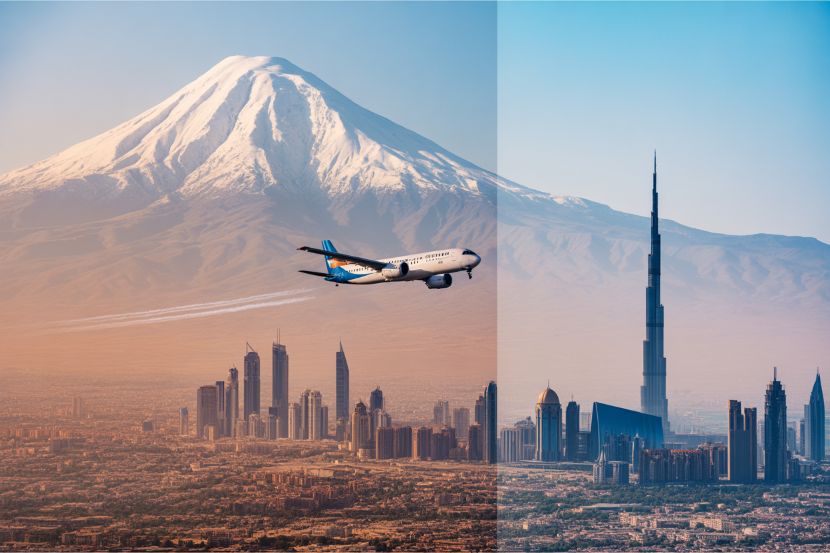
Armenia Connects Yerevan With Dubai, Riyadh and Doha Through New Gulf Travel Understanding, Opening Fresh Pathways for Leisure, MICE and Wine Tourism Between the Caucasus and the Middle East — A Traveler’s Essential Guide
Armenia Connects Yerevan With Dubai, Riyadh and Doha Through New Gulf Travel Understanding, Opening Fresh Pathways for Leisure, MICE and Wine Tourism Between the Caucasus and the Middle East — A Traveler’s Essential Guide
Armenia Opens Doors to UAE, Saudi Arabia and Qatar in Expanding Visa-Free Corridor Linking Yerevan with Dubai, Riyadh and Doha marks a pivotal shift in regional mobility, strengthening tourism and business flows between the Caucasus and the Gulf. In a move designed to deepen cross-border travel and commercial ties, Armenia has aligned itself with a growing visa-relaxation framework led by the United Arab Emirates, Saudi Arabia, and Qatar. The development is expected to simplify short-term travel for Emirati citizens heading to Yerevan while streamlining entry options for Armenian travelers visiting key Gulf cities such as Dubai, Riyadh, and Doha.
This expanding visa-free corridor between Armenia and leading Gulf economies is being viewed as a catalyst for leisure tourism, MICE travel, and tech-sector collaboration. With aviation links already in place and strong demand for diversified travel experiences, the initiative is poised to reshape outbound and inbound tourism patterns across both regions.
A Strategic Leap in Visa-Free Travel Between the Caucasus and the Gulf
Armenia’s inclusion in the emerging visa-free travel framework led by the UAE, Saudi Arabia, and Qatar reflects a broader regional strategy aimed at enhancing mobility and diplomatic cooperation. Under the proposed arrangement, Emirati citizens will be able to enter Armenia for short stays without securing a prior visa. In parallel, Armenian nationals are expected to benefit from simplified e-visa procedures or visa-on-arrival access when traveling to participating Gulf states.
While specific implementation dates are anticipated in the coming weeks, administrative procedures are being finalized through official diplomatic channels. The move reinforces Armenia’s intent to position itself as a welcoming gateway between Europe and Western Asia, while Gulf nations continue expanding their global mobility networks.
For travelers, this means reduced paperwork, quicker trip planning, and enhanced accessibility between two culturally rich and economically dynamic regions.
Why This Matters for Tourism Growth and Airline Connectivity
The tourism implications of the agreement are substantial. Armenia has steadily gained attention as an emerging destination known for its mountain landscapes, UNESCO-listed monasteries, culinary traditions, and wine heritage. Easier entry for citizens of the UAE, Saudi Arabia, and Qatar is expected to accelerate inbound travel, particularly during the summer months when Gulf travelers often seek milder climates.
From an aviation perspective, existing air links are already facilitating movement. Flydubai operates regular Boeing 737 MAX services between Dubai and Yerevan, providing direct connectivity. Enhanced travel flexibility could improve load factors during shoulder seasons, especially as tour operators package Armenia as a short-haul getaway from the Gulf.
At the same time, Armenian travelers stand to gain smoother access to Gulf hubs that serve as global transit gateways. Dubai International Airport and Hamad International Airport in Doha are among the busiest aviation centers in the world, offering onward connections to Europe, Africa, Asia, and the Americas. Streamlined visa processes may encourage Armenian tourists and business travelers to use Gulf cities as strategic stopovers.
High-Value Tourism Segments Set to Benefit
The impact of the agreement extends beyond leisure travel. Several high-potential segments are expected to experience momentum:
MICE and Corporate Mobility
Dubai’s position as a global hub for meetings, incentives, conferences, and exhibitions makes improved Armenia–UAE mobility especially significant. Corporations headquartered in Dubai may find it easier to deploy teams to Armenia’s growing technology parks and innovation clusters without prolonged consular procedures.
Wine and Culinary Tourism
Armenia’s wine culture, often described as among the world’s oldest, has become a strong draw for affluent travelers seeking immersive gastronomic experiences. Gulf tourists exploring vineyard regions such as Areni Valley may find the visa-free regime an added incentive.
Cool-Climate Summer Retreats
During peak summer heat in the Gulf, destinations with temperate weather attract outbound travelers. Armenia’s mountainous terrain and moderate climate position it as an appealing alternative to traditional European destinations.
Smart Travel Planning: What Visitors Should Know Before Booking
Although visa relaxation is progressing, travelers are advised to verify entry regulations before departure, particularly during the transition phase.
Key travel tips include:
Confirm passport validity requirements, typically at least six months from arrival.
Monitor official announcements for the final implementation timeline.
Check airline baggage and seasonal fare trends, as demand may increase following the rollout.
Explore combination itineraries linking Yerevan with onward European destinations via Gulf carriers.
Travelers considering early bookings may also review interim e-visa options where applicable until full implementation is operational.
Armenia’s Tourism Appeal: Beyond the Headlines
Armenia has been strengthening its tourism infrastructure in recent years, investing in hospitality facilities, road networks, and cultural preservation initiatives. Yerevan, often referred to as the Pink City due to its distinctive tuff-stone architecture, offers a mix of Soviet-era heritage and modern café culture.
Beyond the capital, sites such as Geghard Monastery and Lake Sevan contribute to Armenia’s image as a scenic and heritage-rich destination. Improved access from the Gulf could introduce these attractions to new traveler demographics seeking unique, off-the-beaten-path experiences.
Meanwhile, Gulf countries continue diversifying their outbound tourism markets. Encouraging reciprocal mobility agreements supports travel agencies seeking alternatives to traditional Schengen-heavy itineraries, offering new product lines in the Caucasus region.
Economic and Diplomatic Dimensions Behind the Policy
The agreement is also aligned with broader economic goals. The UAE, Saudi Arabia, and Qatar have actively pursued visa liberalization strategies to elevate their passport strength and expand diplomatic partnerships. Reciprocal travel access fosters trade, tourism investment, and technology exchange.
Armenia, positioned between Europe and Asia, benefits from deeper ties with Gulf economies known for substantial outbound tourism expenditure. High-spending visitors from the Gulf are recognized globally for contributing to luxury retail, premium accommodation, and experiential tourism sectors.
Aviation Outlook: A Corridor with Expansion Potential
Air connectivity between Armenia and the Gulf has already demonstrated consistent demand. Should passenger numbers rise following visa relaxation, additional frequencies or capacity upgrades could become viable. The potential for new route announcements or code-share arrangements cannot be discounted, particularly as regional carriers expand fleet capabilities.
The corridor linking Yerevan with Dubai, Riyadh, and Doha may also stimulate two-center holiday packages, combining urban Gulf experiences with Armenia’s natural landscapes.
A New Chapter in Regional Travel Synergy
The expanding visa-free framework linking Armenia with the UAE, Saudi Arabia, and Qatar represents more than administrative simplification. It signals a recalibration of travel flows between the Caucasus and the Gulf, unlocking fresh tourism narratives and commercial opportunities.
As implementation details unfold, travel planners, tour operators, and airlines will likely recalibrate strategies to capture rising interest in this newly accessible corridor. For travelers, the shift translates into broader horizons and fewer bureaucratic hurdles when exploring culturally rich destinations across Eurasia and the Middle East.
The post Armenia Connects Yerevan With Dubai, Riyadh and Doha Through New Gulf Travel Understanding, Opening Fresh Pathways for Leisure, MICE and Wine Tourism Between the Caucasus and the Middle East — A Traveler’s Essential Guide appeared first on Travel And Tour World.
Source: travelandtourworld.com



Sorry, the comment form is closed at this time.