


Aruba Airport Shutdown from JetBlue Security Incident Disrupts Tourism Flow: What You Need to Know
Aruba Airport Shutdown from JetBlue Security Incident Disrupts Tourism Flow: What You Need to Know
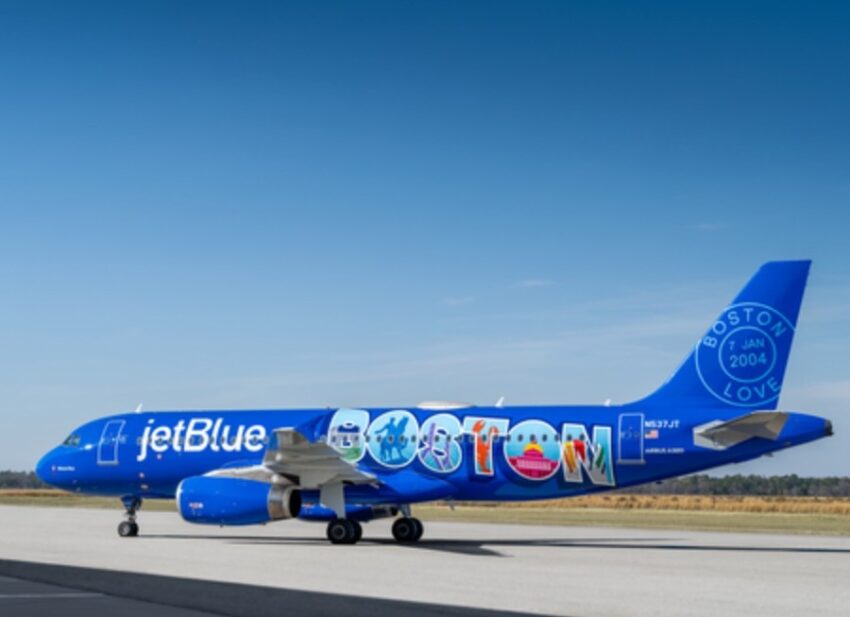
Aruba, the popular Caribbean vacation haven, experienced a major tourism disruption when a JetBlue flight from Boston triggered a security-related shutdown at Queen Beatrix International Airport. Authorities grounded the aircraft, confining passengers onboard for nearly two hours while law enforcement conducted thorough checks. This incident highlights vulnerabilities in air travel security and raises concerns about short-term impacts on Aruba tourism, a sector reliant on seamless international arrivals.
Incident Timeline Unfolded
The JetBlue flight approached Aruba as scheduled, but a reported security concern prompted immediate action from airport officials. Operations at Queen Beatrix International Airport paused entirely, restricting terminal access to ensure passenger safety. Law enforcement boarded the plane, verifying passports row by row and deploying a K9 unit to scan luggage for potential threats. Passengers remained confined during this process, which extended beyond initial expectations.
Airport authorities issued updates indicating a prolonged suspension of activities, with normalcy resuming only after clearance. The event diverted attention from routine tourism operations, delaying incoming flights and stranding travelers eager for Aruba‘s beaches and resorts. Such disruptions test the resilience of island tourism infrastructure, often operating at peak capacity during winter high seasons.
Airport Response and Protocols
Queen Beatrix International Airport, managed under Aruban government oversight, prioritized safety by halting all movements. Terminal restrictions prevented new arrivals, while ground crews stood by for resolution. This protocol aligns with international aviation standards enforced by bodies like the International Civil Aviation Organization, ensuring rapid threat assessment. The temporary closure minimized risks but amplified logistical challenges for tourism stakeholders.
Once cleared, passengers deplaned systematically, allowing the airport to ramp up operations. Airlines coordinated with local authorities to reschedule affected flights, mitigating broader tourism fallout. Incidents like this underscore the need for robust contingency plans in Aruba, where air traffic fuels over ninety percent of visitor inflows annually.
JetBlue’s Handling of the Event
JetBlue Airways, the US carrier operating the Boston-Aruba route, emphasized crew and passenger safety in its response. The airline deferred detailed inquiries to law enforcement, focusing internally on operational recovery. Crew members maintained calm onboard, adhering to federal security training amid the confinement period. This approach preserved trust among frequent Aruba tourism flyers, who value reliability on leisure routes.
Post-incident, JetBlue likely reviewed procedures to prevent recurrence, bolstering pre-flight screenings at hubs like Boston Logan International Airport. Such vigilance supports sustained tourism confidence, as disruptions can deter bookings in competitive Caribbean markets. Enhanced protocols may include advanced passenger vetting, indirectly benefiting Aruba tourism through fewer interruptions.
Immediate Tourism Impacts in Aruba
Aruba tourism faces ripple effects from the shutdown, with delayed flights compressing hotel check-ins and tour bookings. The island’s economy, driven by over 1.5 million annual visitors, depends on punctual arrivals for all-inclusive resorts and water sports. High-season snarls like this strain transfer services and rental car availability, prompting short-term revenue dips for beachfront businesses.
Local tourism authorities swiftly activated recovery measures, rerouting passengers via partner airlines and offering complimentary extensions. Dive operators and catamaran tours adjusted schedules, minimizing idle time. While isolated, the event spotlights how aviation hiccups can erode Aruba tourism momentum, urging diversified transport options like enhanced ferry links from nearby islands.
Broader Caribbean Aviation Security Trends
Caribbean tourism hubs like Aruba navigate rising security demands amid global travel surges. Recent years saw increased screening tech adoption, from biometric gates at Queen Beatrix to AI-driven threat detection. Government investments in airport resilience safeguard tourism, countering natural and man-made disruptions. Aruba‘s proactive stance, including regular drills, positions it well for recovery.
Regional collaboration via the Caribbean Tourism Organization promotes standardized protocols, reducing cross-border risks. JetBlue‘s involvement reflects major carriers’ commitment to these standards, fostering safer skies that underpin tourism growth. Incidents provide learning opportunities, refining responses to protect Aruba‘s status as a secure paradise.
Passenger Experience and Recovery
Confined passengers endured heightened tension, yet orderly deplaning restored normalcy. Many proceeded to Aruba‘s iconic Palm Beach or Eagle Beach, resuming vacations with minimal long-term disruption. Airlines compensated for delays, covering meals and rebookings to maintain goodwill. This efficiency limits negative buzz, preserving Aruba tourism appeal on social media and review sites.
Travelers shared accounts of law enforcement efficiency, praising K9 sweeps and passport verifications. Such transparency reassures future visitors, emphasizing Aruba‘s safety-first ethos. Tourism boards leveraged the moment to highlight rapid resolution, turning potential setback into proof of operational strength.
Long-Term Implications for Aruba Tourism
The security episode prompts Aruba tourism stakeholders to fortify contingency frameworks. Enhanced inter-agency coordination between airport authorities, police, and hospitality sectors ensures swifter rebounds. Marketing campaigns now accentuate Aruba‘s unwavering hospitality, countering any hesitation from risk-averse planners.
Sustainable tourism initiatives gain traction, with calls for redundant flight paths and tech upgrades at Queen Beatrix. Government allocations for aviation security bolster investor confidence, sustaining luxury developments. JetBlue‘s continued service reinforces route viability, projecting steady tourism upticks through 2026.
Government and Industry Resilience
Aruban officials reaffirmed commitment to seamless tourism, monitoring air traffic via the Civil Aviation Authority. Partnerships with US carriers like JetBlue drive volume, with safety enhancements yielding higher occupancy rates. The island’s quick pivot post-incident exemplifies resilience, attracting planners seeking dependable escapes.
Aruba tourism thrives on reputation, and this episode reinforces its proactive image. Diversified attractions, from Arikok National Park hikes to Oranjestad shopping, buffer against single-point failures. As global travel rebounds, Aruba stands poised, with security vigilance fueling enduring visitor loyalty.
Image Credit: JetBlue Airways
The post Aruba Airport Shutdown from JetBlue Security Incident Disrupts Tourism Flow: What You Need to Know appeared first on Travel And Tour World.
Source: travelandtourworld.com



Sorry, the comment form is closed at this time.