


As Geopolitical Tensions Escalate, Dubai, Abu Dhabi, Doha, and Other Middle Eastern Cities Face Unprecedented Tourism Setbacks – Here’s What This Means for Travelers
As Geopolitical Tensions Escalate, Dubai, Abu Dhabi, Doha, and Other Middle Eastern Cities Face Unprecedented Tourism Setbacks – Here’s What This Means for Travelers
The escalating conflict between US-Israel forces and Iran has severely impacted global tourism, particularly in the Middle East. Dubai, the world’s busiest international airport, and other major hubs like Abu Dhabi are experiencing massive disruptions, leaving tens of thousands of passengers stranded. The crisis has not only led to a surge in flight cancellations and delays but also shaken the region’s image as a luxury vacation hotspot. With billions in investments over the past decade to create safe, high-end tourism environments, the unfolding situation threatens to undermine these efforts. The tourism sector, which generates an estimated $367 billion annually in the Middle East, faces significant challenges, with many vacationers reconsidering their travel plans in light of the unrest.
Middle East Tourism Faces Unprecedented Challenges Amid Ongoing Conflict
The Middle East’s tourism industry, valued at approximately $367 billion annually, is in turmoil due to the geopolitical crisis unfolding in the region. Major tourist destinations like Dubai, Abu Dhabi, and other hubs in the UAE, Qatar, and Saudi Arabia have been thrust into the global spotlight for all the wrong reasons. Travelers from all over the world are caught in a storm of flight cancellations, delays, and safety concerns as airlines and airports across the region struggle to cope with the effects of airspace closures and heightened security measures.
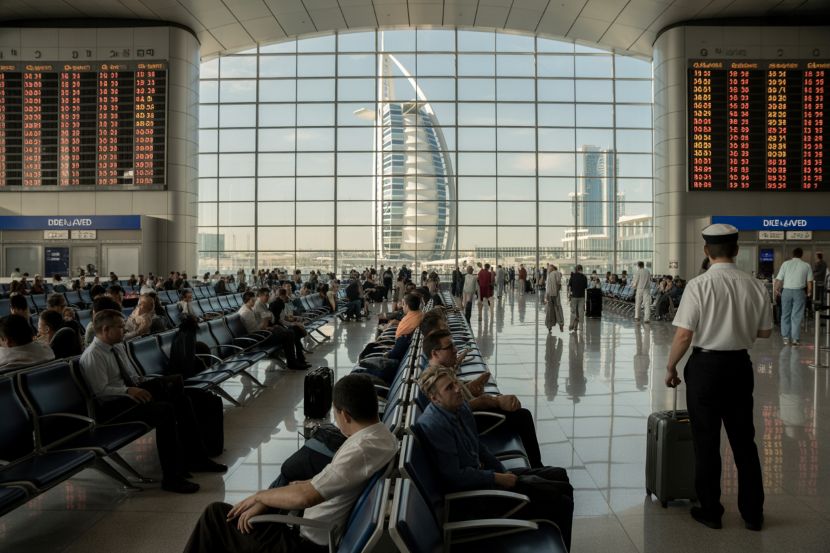
Dubai, known for its luxurious shopping malls, high-rise hotels, and iconic landmarks like the Burj Khalifa and the Burj Al Arab, has seen a significant decrease in international visitors. The airport, which typically handles over 85 million passengers annually, has been one of the hardest-hit locations. With flights being grounded at a staggering rate, travelers have found themselves stranded in the bustling terminal, causing an overwhelming sense of uncertainty among those looking to return home or continue their vacations.
Tourism Impact and Flight Disruptions Across Major Hubs
The ripple effects of the conflict have been felt not only in Dubai but also in Abu Dhabi, Doha, and other Middle Eastern aviation hubs. Airports in these cities, which have seen massive investments to transform into luxury travel destinations, are now grappling with a massive influx of cancellations. For instance, data from AirDNA reveals that vacation rental cancellations in the UAE alone surged by over 100% in just a matter of days following the conflict’s escalation. This sudden spike in cancellations comes at a time when the region was expecting to host millions of international tourists during the traditionally busy spring season.
The situation has been exacerbated by reports of damage to major tourism landmarks, including the Burj Al Arab. With tourists hesitant to visit a region in conflict, the image of the Middle East as a luxury destination is now facing its greatest challenge in decades.
Why the Middle East Was Once a Top Global Tourism Destination
In recent years, the Gulf countries have invested heavily in tourism to diversify their economies and reduce reliance on oil revenues. Dubai alone has poured billions of dollars into developing luxury hotels, shopping centers, and iconic attractions to make itself a key player on the global tourism stage. By offering top-tier hospitality services, high-end resorts, and events such as the Dubai World Cup and Dubai Shopping Festival, the region has become a magnet for affluent travelers from around the world.
Similarly, Abu Dhabi has positioned itself as a cultural and historical hub, with attractions such as the Louvre Abu Dhabi and the Sheikh Zayed Grand Mosque. Qatar, with its luxurious hotels and fine dining, has also been emerging as a key player, particularly with the upcoming 2022 FIFA World Cup drawing international visitors to the region.
These efforts have turned the Middle East into a luxury vacation hotspot, attracting tourists seeking high-end experiences and a glimpse of opulence in the desert. However, the current conflict threatens to undo years of work to build this reputation.
Travel Tips: What Tourists Need to Know During This Crisis
For travelers who are currently in the Middle East or planning to visit, it’s essential to stay informed about the latest developments. Here are some travel tips to navigate the current situation:
Check Flight Status Regularly – Given the flight cancellations and delays, it’s crucial to stay updated with your airline’s website and airport social media accounts for real-time information.
Explore Alternative Routes – If your plans involve traveling through Dubai, Abu Dhabi, or other affected airports, consider rerouting through alternative hubs such as Istanbul or Muscat.
Contact Your Hotel or Accommodation – Many travelers have experienced booking cancellations due to the ongoing unrest. Contact your accommodation to confirm your reservation and inquire about any changes to your stay.
Be Prepared for Delays – Due to airspace closures and heightened security, travelers should anticipate extended wait times at airports and other transportation hubs.
Stay Safe and Informed – Keep an eye on local news outlets and your country’s embassy or consulate advisories to stay informed about any new developments.
Long-Term Effects: Will Gulf Tourism Bounce Back?
The long-term effects of this geopolitical crisis on Gulf tourism remain to be seen. While the region has faced challenges in the past, such as the aftermath of the Arab Spring and fluctuating oil prices, the scale of the current disruption is unprecedented in the modern era. The question on everyone’s mind is whether the region can restore its image as a safe and desirable travel destination after this crisis.
Tourism industry analysts predict that it may take years for the Middle East to recover fully from this blow, particularly if the conflict continues to escalate. However, the region’s long-standing efforts to diversify its economy through tourism infrastructure may help it regain its footing, as countries like the UAE and Qatar have a strong track record of bouncing back from crises.
In a Nutshell: The Middle East Tourism Crisis and What’s Next
The ongoing crisis in the Middle East has severely disrupted the tourism sector, with destinations like Dubai, Abu Dhabi, and Qatar facing challenges not seen in recent history. As flights are grounded and cancellations surge, travelers are left stranded, and the image of the Middle East as a safe and luxurious tourism destination is under threat. The region’s multi-billion-dollar investments in tourism infrastructure may help it recover, but only time will tell how long this will take. For those planning to travel to the Middle East, it’s essential to remain informed, flexible, and patient as the situation evolves.
The post As Geopolitical Tensions Escalate, Dubai, Abu Dhabi, Doha, and Other Middle Eastern Cities Face Unprecedented Tourism Setbacks – Here’s What This Means for Travelers appeared first on Travel And Tour World.
Source: travelandtourworld.com



Sorry, the comment form is closed at this time.