


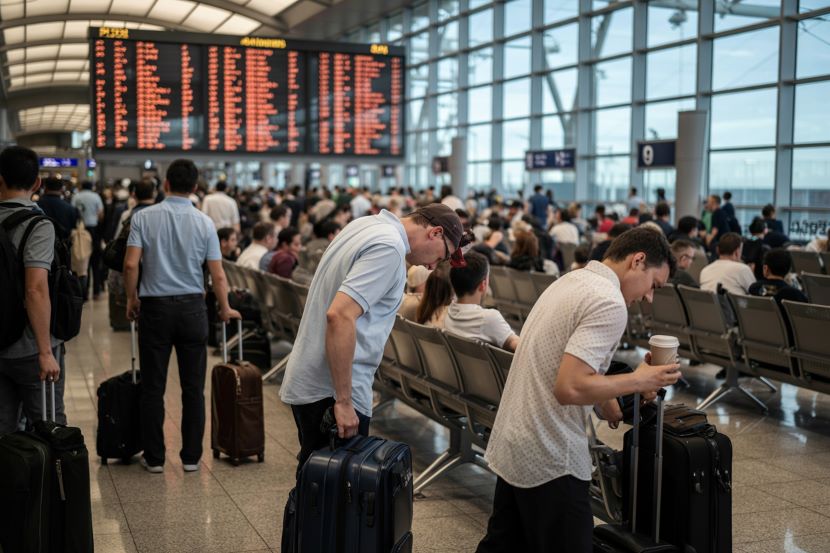
Asia Faces Major Flight Disruptions as China, Indonesia, Thailand, Philippines and More Cancel 36 Flights and Delay 531, Disrupting Batik Air, Citilink, Cathay Pacific, Xiamen Air, Thai Airways and Others in Bangkok, Jakarta, Beijing, Manila, Hong Kong and Beyond
Asia Faces Major Flight Disruptions as China, Indonesia, Thailand, Philippines and More Cancel 36 Flights and Delay 531, Disrupting Batik Air, Citilink, Cathay Pacific, Xiamen Air, Thai Airways and Others in Bangkok, Jakarta, Beijing, Manila, Hong Kong and Beyond
Asia’s bustling travel network was severely impacted as a total of 36 flights were cancelled and 531 delayed across key airports in China, Indonesia, Thailand, the Philippines, and Hong Kong. This disruption affected major airlines such as Batik Air, Citilink, Cathay Pacific, Xiamen Air, All Nippon Airways, Thai Airways, and others. Airports like Jakarta Soekarno-Hatta, Suvarnabhumi Bangkok, Beijing Daxing, Manila Ninoy Aquino, Hong Kong International, and more saw widespread delays and cancellations, leading to chaos for thousands of passengers. Here’s an in-depth look at how these disruptions unfolded and the impact on travel across Asia.
Jakarta Soekarno-Hatta: The Epicenter of Disruptions
Jakarta Soekarno-Hatta International Airport, one of the busiest airports in Southeast Asia, saw 13 cancellations and 75 delays. The severe congestion, coupled with operational issues, led to delays that affected both domestic and international flights. Carriers like Batik Air, Citilink, and other regional airlines were forced to reschedule flights, leaving passengers stranded for hours.
Batik Air, known for its domestic routes, was particularly impacted, with several of its flights delayed, affecting connections to key destinations within Southeast Asia. The airport struggled to manage the backlog of flights, creating confusion and frustration among travelers, especially those with connecting flights.
Suvarnabhumi Airport, Bangkok: A Temporary Setback
In Bangkok, Suvarnabhumi Airport reported 2 cancellations and 46 delays. These disruptions affected Thai Airways, which had several international flights grounded, particularly those connecting Thailand with Europe and the Middle East. Although the delays were relatively fewer compared to Jakarta, the congestion in the airport still led to chaos, especially for passengers making connections to popular destinations like London, Dubai, and New York.
The delays at Suvarnabhumi were mainly due to air traffic congestion and operational inefficiencies, which caused a ripple effect in outbound international flights. Passengers faced extended waiting times and long queues at check-in counters, as the airport struggled to cope with high traffic volumes.
Sultan Hasanuddin and Juanda Airports in Indonesia: Widespread Delays
Indonesia’s Sultan Hasanuddin International Airport in Makassar experienced 3 cancellations and 51 delays, while Juanda Airport in Surabaya reported 6 cancellations and 26 delays. These disruptions were largely due to bad weather and overloaded air traffic, which significantly affected Garuda Indonesia, Citilink, and Batik Air flights.
At Sultan Hasanuddin, delays primarily impacted domestic travelers, with regional flights to Bali, Lombok, and Manado facing significant delays. Similarly, at Juanda, several domestic flights to major hubs such as Jakarta and Medan were delayed, and passengers found themselves scrambling for alternative flights.
Beijing Daxing and Other Chinese Airports: The Impact on International Travel
In China, Beijing Daxing International Airport reported 1 cancellation and 45 delays, which was a blow to international travelers connecting through the airport. Xiamen Air, All Nippon Airways, and other international carriers were among the airlines that faced disruptions at this major transit hub. The delays were caused by a combination of weather and air traffic control issues, which slowed down the flow of aircraft, particularly affecting international flights to and from Europe and Asia.
Shanghai Hongqiao and Changsha Huanghua airports also reported significant delays. At Shanghai Hongqiao, there were 2 cancellations and 33 delays, while Changsha Huanghua saw 1 cancellation and 40 delays. These delays were mostly centered on regional flights, further increasing the backlog at airports like Daxing and Hongqiao, which are vital for connecting China with global destinations.
Chengdu, Wuhan, and Xi’an: Disruptions Across Western and Central China
Chengdu Shuangliu International Airport faced 2 cancellations and 44 delays, while Wuhan Tianhe reported 3 cancellations and 25 delays. These disruptions were caused by severe weather conditions and air traffic congestion. Chengdu, which serves as a key gateway for flights to Western China, felt the full force of these delays as passengers missed connections to international destinations.
Meanwhile, Xi’an Xianyang International Airport faced 1 cancellation and 45 delays, further complicating the travel experience for those heading to or from the ancient city. Chinese carriers like China Southern Airlines and Air China were significantly impacted, leading to delays in connecting flights, especially to Europe and Southeast Asia.
Manila Ninoy Aquino: The Philippine Capital’s Struggle to Cope
The Manila Ninoy Aquino International Airport, the Philippines’ busiest airport, also saw major disruptions, with 1 cancellation and 32 delays. These delays primarily affected Philippine Airlines and Cebu Pacific, causing confusion at one of the most congested airports in Southeast Asia. Passengers, particularly those flying to North America and other parts of Asia, had to deal with long waiting times and rescheduling issues.
The delays were caused by a combination of bad weather and ongoing air traffic control challenges at the airport. Many international passengers were rerouted through other regional airports, making the situation even more stressful for travelers trying to get to their final destinations.
Hong Kong International Airport: A Major Disruption for Global Travelers
Hong Kong International Airport, one of the busiest airports globally, was also affected by disruptions, with 1 cancellation and 69 delays. These disruptions were particularly damaging for Cathay Pacific, Hong Kong’s flagship airline, as numerous flights between Hong Kong and international destinations like London, New York, and Sydney were delayed.
The delays were largely caused by air traffic control issues and weather conditions. As Hong Kong serves as a key international hub, the knock-on effects of these delays were felt globally, with travelers stuck at the airport for hours as they awaited alternative arrangements.
The Bigger Picture: Why Are These Disruptions Happening?
The recent flight cancellations and delays across Asia are symptomatic of a broader issue facing the global aviation industry as it recovers from the pandemic. As travel demand soars, airports are struggling to cope with the increased passenger traffic, particularly at key hubs like Soekarno-Hatta, Suvarnabhumi, and Hong Kong International. This surge in demand, combined with operational inefficiencies, bad weather, and staffing shortages, has created a perfect storm of travel chaos.
Airlines are also facing challenges in managing their schedules. Many carriers are struggling to adapt to the rapid increase in demand, leading to delays in boarding, takeoff, and landing. In particular, regional carriers like Batik Air, Citilink, and Thai Airways are under pressure to meet passenger demand during peak travel periods, resulting in widespread delays.
Tips for Travelers Affected by Flight Disruptions
For passengers caught up in these disruptions, there are several tips to minimize the impact:
Stay updated: Always check your airline’s app or website for the latest updates on your flight status.
Know your rights: Familiarize yourself with passenger rights, as airlines are often obligated to provide compensation for long delays or cancellations.
Consider rebooking early: If your flight is canceled, try to rebook as early as possible to secure a spot on the next available flight.
Pack essentials: Ensure you have all the necessary items, such as chargers, snacks, and medication, to make long waits more comfortable.
Stay calm: Flight disruptions can be frustrating, but staying calm will help you manage the situation more effectively.
Conclusion
The widespread flight cancellations and delays across major Asian airports highlight the challenges facing the aviation industry as it recovers from the pandemic. While airlines and airports are working to improve operational efficiency, travelers will need to stay prepared for more disruptions in the future. By staying informed and flexible, passengers can minimize the impact of these travel headaches and make the most of a challenging situation. As Asia’s travel hubs continue to navigate high traffic volumes, improving air traffic management and infrastructure will be critical to reducing future disruptions.
Source: Different airports and FlightAware
The post Asia Faces Major Flight Disruptions as China, Indonesia, Thailand, Philippines and More Cancel 36 Flights and Delay 531, Disrupting Batik Air, Citilink, Cathay Pacific, Xiamen Air, Thai Airways and Others in Bangkok, Jakarta, Beijing, Manila, Hong Kong and Beyond appeared first on Travel And Tour World.
Source: travelandtourworld.com


Sorry, the comment form is closed at this time.