


Asia-Pacific Leads as North America, Europe, South America, and Others Witness the Expansion of Duty-Free Retail Market Over Four Percent CAGR Through 2035: Now Attributed to Rising Global Tourism and Digital Innovations All You Need to Know
Asia-Pacific Leads as North America, Europe, South America, and Others Witness the Expansion of Duty-Free Retail Market Over Four Percent CAGR Through 2035: Now Attributed to Rising Global Tourism and Digital Innovations All You Need to Know
The Duty-Free Retail Market is set to expand at a 4.01% CAGR through 2035, with Asia-Pacific leading the way. This growth is driven by rising global tourism, digital innovations, and the expansion of retail outlets across regions like North America, Europe, and South America.
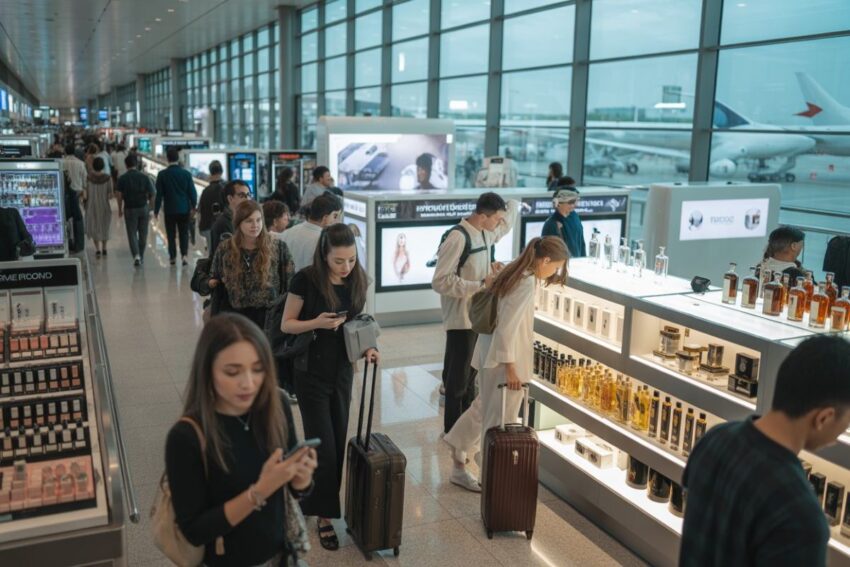
The rapid recovery of global tourism, coupled with a surge in digital innovations and increasing consumer demand for premium shopping experiences, is shaping this impressive market trajectory. With airports, seaports, border stores, and downtown outlets all witnessing increased foot traffic, duty-free retail is undergoing a digital revolution to meet the changing needs of modern travelers.
Asia-Pacific Dominates as Key Growth Region
Asia-Pacific continues to lead the global duty-free retail market in terms of revenue generation. The region’s dominance can be attributed to robust outbound tourism, especially from China and South Korea, and substantial investments in airport infrastructure. High passenger traffic at major airports, coupled with strong tourism flows, has made Asia-Pacific the primary hub for duty-free shopping. As regional players invest heavily in upgrading airport retail environments, Asia-Pacific remains the cornerstone of the duty-free retail landscape.
While Asia-Pacific leads, other regions are also contributing to the market’s global expansion. Europe, North America, and South America are witnessing steady growth, supported by rising international arrivals, strong luxury brand presence, and strategic investments in airport modernization and tourism promotion. The Middle East and South America are emerging as key players as well, with significant investments in tourism infrastructure and retail expansions fueling their growth.
Digital Innovations and Tourism Growth Drive Retail Transformation
The growth of the duty-free retail market is deeply intertwined with the rise of global tourism and the accelerating pace of digital transformation. As international tourism rebounds, more travelers are flocking to duty-free stores at airports, seaports, and border outlets, seeking exclusive products and tax-free shopping experiences. The surge in passenger traffic has brought an increased focus on improving the retail experience through digital tools and personalized services.
Digital payment solutions have revolutionized the way consumers engage with retail outlets. By eliminating the need for currency exchanges and offering smoother transactions, these systems enhance the overall shopping experience. Digital wallets, loyalty programs, and personalized promotions are becoming the norm, enabling retailers to cater to the expectations of younger, tech-savvy shoppers. Millennials and Gen Z travelers are particularly driving demand for premium products that offer both luxury and value, prompting retailers to adapt their offerings accordingly.
Experiential Retail Trends Reshape Consumer Behavior
As duty-free retail becomes more about experiences than mere transactions, companies are leveraging augmented reality (AR) and artificial intelligence (AI) to engage customers in new ways. Virtual product trials, personalized shopping recommendations, and interactive displays are enhancing consumer engagement. Furthermore, the concept of click-and-collect, which allows travelers to reserve products online and pick them up at departure points, is gaining traction as a way to reduce waiting times and improve overall convenience.
The shift towards experiential retail is also evident in the demand for luxury cosmetics, fragrances, premium spirits, electronics, and fashion accessories. Consumers are increasingly looking for unique and exclusive products that align with their personal tastes. Retailers are responding by offering limited-edition products, customized services, and high-touch experiences that make shopping at duty-free outlets a memorable part of the travel journey.
Key Market Players and Competitive Landscape
Several global and regional players dominate the duty-free retail market, including industry giants such as Dufry AG, Lotte Duty Free, Heinemann SE, DFS Group, Shilla Duty Free, Aelia Duty Free, King Power International, and Duty Free Americas. These companies are adopting omnichannel strategies and strengthening their market presence through strategic mergers, luxury collaborations, and technology-driven store innovations.
These leading players continue to invest in airport concessions, where the majority of duty-free sales take place, while also expanding into other retail hubs such as border stores and cruise liners. Additionally, the increasing focus on premium brands and exclusive product offerings has helped these companies stay ahead of the competition. With the market shifting towards digital integration, the ability to offer seamless online-to-offline shopping experiences will be key to maintaining a competitive edge.
Regulatory Factors and the Role of Governments
Government regulations and tax structures significantly impact the duty-free retail industry. Changes in customs regulations, excise duties, and import allowances can directly influence purchasing behavior. Retailers must remain agile and compliant with these evolving regulations while maintaining competitive pricing to attract global travelers. Many governments are also modernizing their customs frameworks to support tourism growth, which in turn benefits the duty-free sector.
While the regulatory environment poses challenges, it also presents opportunities for growth. Governments are revising tax policies and import duties to create favorable conditions for both consumers and retailers. As a result, duty-free retail remains an attractive proposition for travelers, with tax advantages continuing to shape purchasing decisions.
Conclusion: Consistent Growth and Emerging Opportunities
Looking forward, the duty-free retail market is expected to maintain its positive growth momentum through 2035. The combination of expanding global tourism, technological advancements, and increasing demand for luxury goods will continue to drive market growth. Digital innovations in payment solutions, AI-powered customer experiences, and the rise of omnichannel retail strategies will be key to shaping the future of the industry.
The duty-free sector is particularly well-positioned to capitalize on the evolving preferences of younger travelers, who increasingly seek seamless, personalized, and premium shopping experiences. Retailers that integrate technology, offer personalized promotions, and invest in experiential retail environments will be best equipped to thrive in the coming years.
In conclusion, the global duty-free retail market is set for steady and sustained growth, with Asia-Pacific at the forefront of this expansion. While regulatory challenges and geopolitical factors may pose some risks, digital transformation, increasing tourism, and evolving consumer expectations will continue to fuel the sector’s success. As the market embraces innovation, the future remains bright for duty-free retail, with countless opportunities on the horizon.
The post Asia-Pacific Leads as North America, Europe, South America, and Others Witness the Expansion of Duty-Free Retail Market Over Four Percent CAGR Through 2035: Now Attributed to Rising Global Tourism and Digital Innovations All You Need to Know appeared first on Travel And Tour World.
Source: travelandtourworld.com



Sorry, the comment form is closed at this time.