


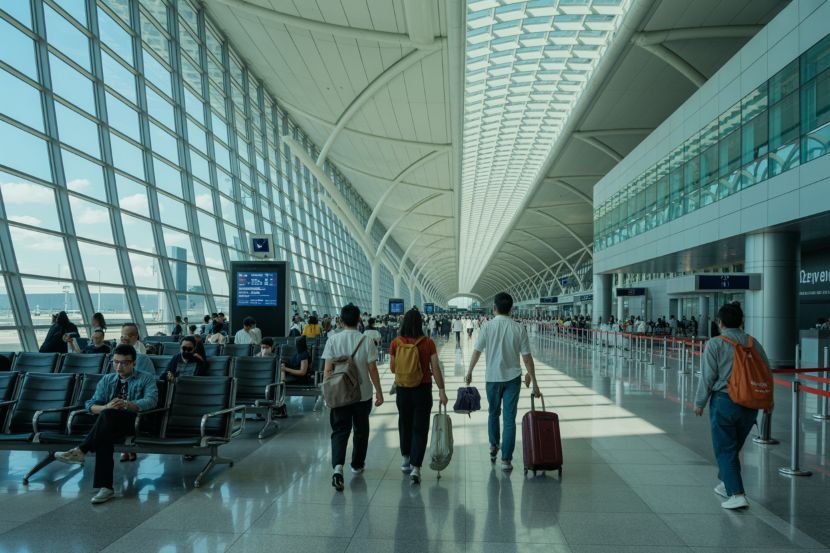
Asia Pacific Tourism Expected to Surge by 2028: Discover How Countries Like China, Japan, Thailand, and India Are Shaping the Travel Landscape – Key Insights for Tourists
Asia Pacific Tourism Expected to Surge by 2028: Discover How Countries Like China, Japan, Thailand, and India Are Shaping the Travel Landscape – Key Insights for Tourists
As the global tourism industry continues to bounce back from the pandemic, Asia Pacific is poised to make an impressive recovery, surpassing pre-pandemic levels by 2026. According to the Asia Pacific Tourism Outlook 2026–2028, a robust surge in international arrivals is projected to occur, with total arrivals expected to hit 710 million by 2026, surpassing 2019 levels by 4%. By 2028, Asia Pacific’s tourism industry will likely reach a record 765 million arrivals, representing a 11.5% increase compared to pre-COVID figures. However, the growth trajectory across different regions within Asia Pacific will vary, influenced by economic, geopolitical, and environmental factors. The forecast offers a comprehensive analysis of the key drivers shaping the future of tourism in the region, while providing critical insights for industry professionals to navigate potential challenges and opportunities ahead.
Uneven Recovery Across Sub-Regions in Asia Pacific
While the Asia Pacific region is set to experience significant growth, the recovery will not be uniform across its sub-regions. The regional dynamics show varied growth patterns, with Northeast Asia and West Asia leading the charge, while other areas like South Asia and the Pacific face more modest recoveries.
Northeast Asia – Leading the Market Share
By 2027, Northeast Asia is expected to reclaim its position as the largest market share holder in the Asia Pacific region. The sub-region, which encompasses countries like China, Japan, and South Korea, is forecast to see 335 million international arrivals by 2028, restoring approximately 44% of the regional inbound volume. This recovery is expected to be fully realized by 2026, with China and Japan’s rapid recovery acting as key contributors to this shift.
West Asia – Fastest Recovery with National Branding
West Asia, including the Middle East, is projected to be the fastest-growing sub-region, exceeding pre-pandemic levels by nearly 24% in 2026. The region’s growth is largely attributed to national branding and marketing strategies, which are expected to push arrivals above 133% of pre-pandemic levels by 2028. However, the region must navigate climate change impacts and seasonal fluctuations to sustain this momentum.
Southeast Asia – Steady Recovery Amid Challenges
Southeast Asia is expected to return to pre-pandemic levels by 2026, with a further 10% growth by 2028. Key destinations like Thailand, Singapore, and Vietnam are driving recovery, supported by strong government policies and abundant natural and cultural assets. However, regional tensions and safety perceptions may temper growth, particularly as global travelers assess the safety of visiting these destinations.
South Asia – Modest Growth with Competitive Pricing
Although South Asia represents the smallest share of arrivals at only 2.5%, it is forecasted to see steady growth, driven by competitive pricing and strong resource endowments. Countries like India and Sri Lanka are projected to see 18 million arrivals by 2026, which would be 13% higher than in 2019. By 2028, the region is expected to see 20 million arrivals, reflecting 24% growth from pre-COVID levels.
The Economic and Geopolitical Influences on Global Tourism
As Asia Pacific’s tourism industry regains momentum, several macroeconomic and geopolitical factors will continue to shape the outlook. Issues such as rising travel costs, ongoing geopolitical tensions, and climate-related disruptions will remain key downside risks. The model for the Asia Pacific Tourism Outlook 2026–2028 accounts for these variables, ensuring that predictions remain adaptable to fluctuations in global conditions.
Visa Facilitation and Policy Reforms: Key to Growth
The success of tourism recovery largely hinges on visa policies and reforms. Countries that are easing visa regulations and implementing digital solutions for travelers are likely to see faster recovery. India, for example, has already expanded its e-tourist visa program to 166 countries, boosting its tourism outlook significantly. China, another key player, has relaxed visa policies for several key inbound markets, contributing to a recovery that will help surpass pre-pandemic levels by 2026.
Destination-Level Growth Projections
As the region recovers, several key destinations will continue to dominate international arrivals:
USA: Expected to reach 96.6% of 2019 levels by 2028, with Canada and Mexico being primary source markets.
China: Forecast to hit 93.6% of 2019 levels by 2026 and 96.35% by 2028, with Hong Kong and Macau remaining dominant sources of inbound travelers.
Thailand: Anticipated to reach 97.4% of pre-pandemic levels by 2026, driven largely by a resurgence of travelers from China.
India: Forecasted to exceed 100% recovery by 2026, aided by visa reforms and competitive pricing.
Japan: Projected to grow faster than any other destination, reaching 150% of 2019 levels by 2026.
The Role of Digital Transformation in Shaping Future Travel
The digital transformation is another important driver of growth, with more travelers opting for seamless and personalized experiences. Technology adoption, including the rise of mobile apps and contactless services, will continue to enhance the travel experience, particularly in destinations that offer convenience and security. Asia Pacific countries embracing these technologies will be better positioned to capture international travelers, especially those who prefer streamlined booking and entry processes.
The Road Ahead for Tourism Professionals
For industry stakeholders, the Asia Pacific Tourism Outlook highlights the need for flexible planning and resilient strategies to navigate the uncertain global landscape. Diversified source markets, along with dynamic capacity planning, will be crucial for tourism professionals. Countries and destinations that can adapt to changes in travel behavior, manage geopolitical risks, and ensure sustainable practices will be best equipped to thrive in the post-pandemic tourism environment.
As the region makes its way toward full recovery by 2028, there will be unprecedented opportunities for tourism businesses to capitalize on growing demand. Understanding the evolving market dynamics and staying ahead of global trends will be key to long-term success.
Travel Tips for Tourists Planning Their 2026-2028 Journeys
Plan Ahead: With tourism growth set to surge, early bookings are recommended to secure the best accommodations and airfare rates.
Stay Updated on Travel Regulations: As visa policies and travel restrictions change, staying informed about the latest regulations will ensure a smooth trip.
Consider Off-Peak Travel: To avoid overcrowding, consider traveling during shoulder seasons when popular destinations like Japan and Thailand are less busy.
The post Asia Pacific Tourism Expected to Surge by 2028: Discover How Countries Like China, Japan, Thailand, and India Are Shaping the Travel Landscape – Key Insights for Tourists appeared first on Travel And Tour World.
Source: travelandtourworld.com



Sorry, the comment form is closed at this time.