


Atlas Air joins Air China, Lufthansa, Cargolux, Korean Air, and Emirates’ 747 Freighters: Why the Iconic Nose Door Will Continue to Rule Air Freight and Boost Global Tourism!
Atlas Air joins Air China, Lufthansa, Cargolux, Korean Air, and Emirates’ 747 Freighters: Why the Iconic Nose Door Will Continue to Rule Air Freight and Boost Global Tourism!
Atlas Air, Air China, and Lufthansa’s 747 Freighters: Why the Iconic Nose Door Will Continue to Rule Air Freight and Boost Global Tourism! The Boeing 747, a symbol of aviation history, may have seen the last of its production lines in 2023, but its legacy, particularly the remarkable nose door, is far from over. For cargo giants like Atlas Air, Air China, and Lufthansa, the 747 freighter with its iconic nose door continues to be an indispensable asset in the global air freight sector, moving oversized and unique cargo that would be impossible to load onto other aircraft. This powerful feature has made the 747 freighter the preferred choice for transporting everything from industrial equipment and construction machinery to aircraft parts and military vehicles. While newer models like the Boeing 777-8F and Airbus A350F are on the horizon, none can replicate the flexibility and efficiency that the 747 freighter provides, especially with its ability to load and unload cargo quickly through both nose and side doors. This capability is not only essential for the cargo industry but also plays a critical role in supporting global tourism. As tourism continues to surge worldwide, the availability of high-value goods like luxury products, equipment for resorts, and even fresh produce often relies on the reliable and swift transport provided by these freighters. For passengers and tourists, this means smoother experiences and timely deliveries to destinations, boosting local economies and enriching travel experiences. The 747 freighter may be retired in production, but its impact on both the air freight and tourism sectors will echo for years to come, ensuring that the nose door remains a vital feature for operators and tourists alike.
Atlas Air Joins Air China, Lufthansa, Cargolux, Korean Air, and Emirates’ 747 Freighters: Why the Iconic Nose Door Will Continue to Rule Air Freight and Boost Global Tourism!
The Boeing 747 is an aviation icon, known for its large size, power, and distinctive humpback design. Even after its production ended in 2023, the 747 freighter continues to play a crucial role in the global air freight sector, particularly due to its unique nose door. This specialized feature allows the aircraft to load large, heavy, and often irregularly shaped cargo, which would otherwise be impossible to load through traditional side doors. While the production of passenger versions of the 747 has ended, the 747 freighter, used by major cargo airlines like Atlas Air, Air China, Lufthansa, Cargolux, Korean Air, and Emirates, is still thriving. But why is this aircraft so crucial, and how does it impact both the air freight industry and global tourism? Let’s take a deeper look into why the Boeing 747 freighter continues to dominate global cargo transport and its far-reaching effects on the travel and hospitality industries.
The Legacy of the Boeing 747 Freighter Nose Door: Atlas Air Leads the Charge
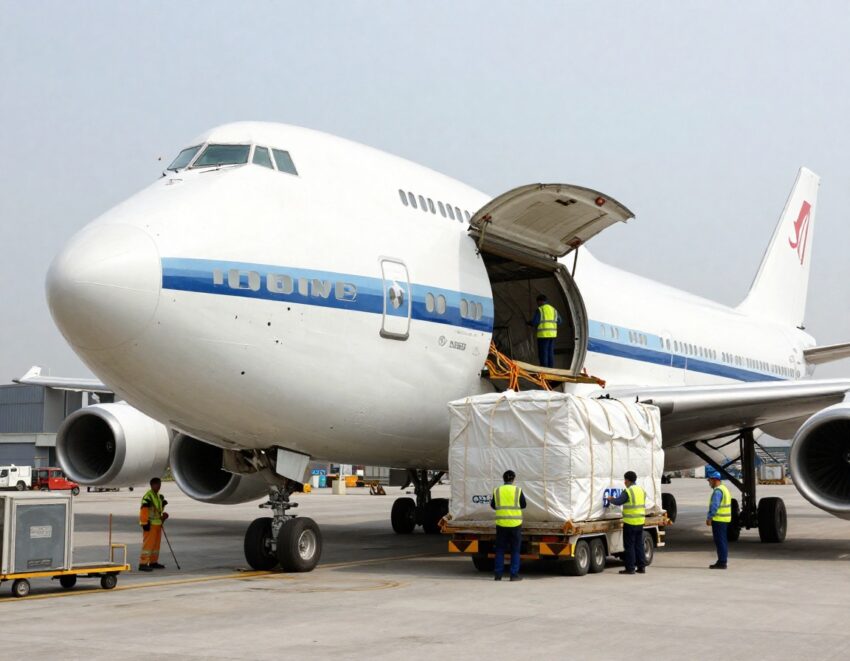
The Boeing 747 freighter, particularly the models equipped with the iconic nose door, has long been the preferred aircraft for transporting heavy and oversized cargo. It all started with the Boeing 747’s initial design. Although the 747 was created for passenger travel, it was envisioned as an ideal cargo plane from the outset. The nose door allows airlines to load goods in a straight line, directly onto the aircraft, without having to deal with sharp turns or awkward angles. This made it the go-to aircraft for transporting long items like industrial machinery, construction equipment, aircraft wings, and even military vehicles.
Among the airlines still operating these aircraft, Atlas Air stands out as the world’s largest 747 freighter operator. Atlas Air uses its fleet to move heavy and oversized cargo across continents. They continue to use the Boeing 747-8F — a later version of the iconic jumbo jet — because of the superior cargo space and the ease of loading it provides. The nose door is particularly vital for Atlas Air as it enables simultaneous loading from both the nose and the side, dramatically reducing turnaround times at airports.
But Atlas Air is not alone in utilizing this incredible piece of aviation engineering. Air China, Lufthansa, Cargolux, Korean Air, and Emirates are also major operators of 747 freighters. These airlines rely on the aircraft’s nose door for high-efficiency air cargo transport, and for good reason. It’s not just the sheer capacity of the aircraft that sets it apart; it’s the practical design that allows it to load items up to 185 feet in length, which is critical for industries like construction, manufacturing, and defense.
Why the Boeing 747 Nose Door Continues to Rule the Air Freight Industry
While the 747 passenger aircraft was phased out in 2023, the freighter version remains indispensable to the air freight industry. Its nose door remains unmatched in terms of practical use for oversized cargo. The ability to load heavy items directly onto the main deck of the aircraft without having to manipulate them through a side door makes it an irreplaceable tool in moving large-scale industrial equipment, mining tools, and even vehicles.
In a time when efficiency and speed are paramount, the Boeing 747 freighter continues to deliver unmatched performance. Modern-day alternatives, such as the Boeing 777-8F and the Airbus A350F, are poised to replace older models in the future, but they do not include a nose door. This means the industry must find alternative ways to handle oversized and uniquely shaped cargo. The 747-8F is still in high demand for transporting items like aircraft wings, massive turbines, and defense equipment, where other aircraft simply do not have the capacity to handle the load.
Impact on Tourism: How Air Cargo Can Help Boost Global Travel
The impact of air freight on tourism might seem indirect at first glance, but a closer look reveals just how closely the two industries are linked. Air cargo facilitates the movement of goods, products, and even vital equipment to tourist destinations. Whether it’s hotel supplies, luxury items, or food imports to popular resorts, air cargo ensures that businesses in the tourism and hospitality industries stay well-stocked to meet the demand of incoming tourists. The Boeing 747 freighter, with its ability to move large amounts of freight quickly and efficiently, plays a vital role in supporting these industries.
Tourists benefit from increased access to global destinations, thanks to efficient air freight systems. For example, tourism destinations that rely on imported goods, whether it’s luxury resorts in the Maldives or ski resorts in the Alps, rely on the swift delivery of necessary supplies. The 747 freighter ensures that the required goods are delivered on time, supporting local economies and businesses.
With the global tourism market expected to continue growing, airlines that rely on the 747 freighter to transport goods are crucial to the tourism supply chain. The availability of high-quality tourist accommodations, activities, and experiences often depends on air freight logistics. Without the 747 freighter and its unique capabilities, some destinations would struggle to deliver a seamless tourist experience, impacting both visitors and hospitality providers.
The Role of Airlines in Tourism Growth
The role of airlines in fostering global tourism cannot be overstated. Airlines are responsible for connecting travelers to remote and popular tourist destinations. For luxury resorts and remote destinations, the ability to have reliable, consistent air access is critical. Airlines like Emirates, Air China, Lufthansa, and Korean Air play a major role in providing this access, not only for tourists but also for the supplies that fuel the tourism industry.
Emirates, for example, has made strides in expanding its operations to cater to the needs of both leisure travelers and air freight. With the ability to handle both passengers and freight, Emirates provides an essential service that benefits both the aviation and hospitality industries. Similarly, Lufthansa serves numerous destinations in Europe and Asia, ensuring that tourists have quick and reliable access to these major tourist markets, while also ensuring the efficient transportation of goods to support the tourism economy.
Tourism-Friendly Airlines Offering Strategic Long-Haul Routes
When it comes to global tourism, the 747 freighter is not just about transporting large goods; it’s also about maintaining strong long-haul routes between major tourist destinations. For example, Emirates, Lufthansa, and Air China provide vital air services that allow tourists to access far-flung locations with relative ease. These routes are essential for global travel as they connect Asia, Europe, and the Middle East — major regions for both inbound and outbound tourism.
As global air travel ramps up, tourists will find more and more options for affordable flights, especially on the premium economy and business-class cabins. These upgraded services are expected to grow as demand for luxury travel increases. Airlines like Korean Air and Emirates are leading this charge by offering seamless travel experiences for the high-end market. But more than just convenient and comfortable flights, these airlines are also contributing to the growth of tourism-based economies by providing access to high-demand destinations.
Hospitality Industry: Benefiting from Efficient Air Cargo Networks
As the tourism industry grows, so does the hospitality sector. The ability of airlines to provide swift and reliable air services for both people and goods is critical for maintaining high standards of service in hotels, resorts, and tourism attractions. The Boeing 747 freighter plays a role here as well, ensuring that luxury hotels can receive their high-end supplies, fresh produce, and specialty goods without delay.
As tourists flock to destinations that rely on efficient air freight, the hospitality industry benefits from an enhanced guest experience. Resorts and hotels that rely on constant shipments of goods will find it easier to maintain stock levels and serve tourists at their highest standards. This is particularly important for remote resorts or island destinations that rely heavily on air shipments for almost all of their goods.
Travel Tips for Tourists Benefiting from Efficient Air Freight Networks
As a tourist, it’s always a good idea to stay informed about the connections and services provided by major airlines like Emirates, Lufthansa, Korean Air, and Atlas Air. Here are some tips to enhance your travel experience:
Check for direct flights to your desired destination. Airlines like Emirates and Air China often provide long-haul direct routes to popular tourist destinations.
Book flights in advance to secure the best rates. Airlines operating the 747 freighters often have premium cabins available for leisure travelers.
Consider destinations that rely on air freight for unique experiences, such as remote resorts or luxury hotels that depend on reliable logistics.
Stay informed about local hospitality services that rely on efficient air cargo for supplying essential goods.
Final Thoughts: The 747 Freighter’s Continuing Legacy
In a world where air travel continues to evolve, the Boeing 747 freighter remains an irreplaceable aircraft in the global cargo sector. Its nose door allows airlines like Atlas Air, Cargolux, and Emirates to transport goods efficiently, ensuring the smooth functioning of tourism and hospitality sectors worldwide. While passenger versions of the 747 have faded into history, the freighter’s legacy remains strong, continuing to support the supply chains that help fuel global tourism.
Atlas Air, Air China, and Lufthansa’s 747 freighters, with their iconic nose doors, continue to dominate the air freight industry, moving oversized cargo that other planes can’t handle. Despite the end of production, these freighters play a vital role in supporting global tourism and boosting local economies.
As air travel becomes more efficient and accessible, tourists around the world will continue to benefit from enhanced air connectivity. Whether it’s enjoying luxury resorts or exploring remote destinations, tourists should be aware of how air cargo, facilitated by powerful aircraft like the 747 freighter, is essential to the overall travel experience. For both travelers and industry professionals, the Boeing 747 freighter remains a critical part of the air freight and tourism puzzle — now and for years to come.
The post Atlas Air joins Air China, Lufthansa, Cargolux, Korean Air, and Emirates’ 747 Freighters: Why the Iconic Nose Door Will Continue to Rule Air Freight and Boost Global Tourism! appeared first on Travel And Tour World.
Source: travelandtourworld.com



Sorry, the comment form is closed at this time.