


Australia’s Rail Industry Is Taking Over: Discover How It’s Shaping the Future of Tourism and Economic Domination in 2024!
Australia’s Rail Industry Is Taking Over: Discover How It’s Shaping the Future of Tourism and Economic Domination in 2024!
Australia’s rail industry is emerging as a vital player in the nation’s tourism landscape, offering an essential link between travelers and regional destinations. With a strong recovery post-pandemic, the rail sector is making a significant contribution to the tourism economy. Official reports estimate that the rail sector contributed over A$38.8 billion to Australia’s economy in 2024, showing a remarkable surge in value. This is a sign of the growing importance of rail as a driver of tourism, not just in connecting people but in offering a sustainable and efficient mode of travel.
Rail travel’s role in tourism has been gaining traction, with passenger rail journeys showing substantial growth. In the year 2023–24, Melbourne and Sydney’s rail networks recorded more than 600 million and 270 million rail journeys, respectively, showing strong demand for urban and regional connectivity. The “Value of Rail 2025” report by the Australasian Railway Association (ARA) reveals that cities like Sydney and Melbourne continue to dominate as the most frequently traveled hubs, contributing over 83% of all rail journeys in Australia. This growing usage of rail reflects its vital role in providing easy access for tourists to explore different parts of the country. Government figures show that both metro and light rail services have become indispensable for tourism, offering a seamless and convenient travel experience within cities and between neighboring regions.
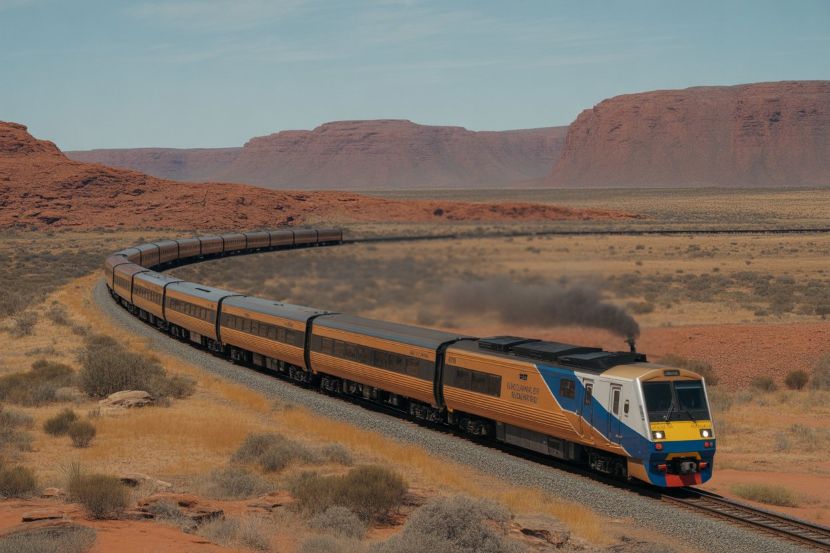
Rail services have also expanded to cater to long-distance travelers. Iconic rail journeys like the Indian Pacific and the Ghan have increasingly attracted both international and domestic visitors, who seek to explore Australia’s diverse landscapes through a unique, immersive travel experience. These long-distance services have become a major attraction in themselves, driving tourism to regions that are otherwise less accessible, while offering travelers a comfortable, scenic journey through the heart of Australia.
The surge in passenger rail use is not just boosting tourism; it’s also fostering job growth. According to the report, nearly 197,000 jobs have been supported by the rail sector across Australia. These jobs span across multiple industries, from the construction of new rail infrastructure to operations, maintenance, and even tourism-related services connected to rail systems. The expansion of the rail network has led to increased demand for workers, particularly in areas tied to regional tourism. As new rail lines open, they bring more visitors to regional towns, giving a much-needed boost to local tourism industries.
Sustainability is another key factor that ties rail travel to the tourism industry. The Australian rail system is among the most environmentally friendly modes of transport. Rail travel is significantly less carbon-intensive than other forms of transport, such as cars or airplanes. For tourists who prioritize sustainability, traveling by train offers an eco-friendly alternative to explore the country. As part of Australia’s broader strategy to reduce emissions, rail systems are playing a key role in shifting travelers away from high-emission transport modes, while contributing to the country’s environmental goals.
Freight services also support tourism indirectly by ensuring that products and services reach tourist destinations in a timely manner. Rail is responsible for transporting a substantial amount of freight across the nation, from agricultural products to construction materials. By improving the supply chain, rail helps support local businesses in tourist areas, ensuring they remain stocked and prepared for the influx of visitors. This seamless connection between rail freight and tourism offers a comprehensive solution that supports the growth of both industries.
The growth of rail travel in Australia aligns with the government’s commitment to improving public transport infrastructure. With continuous investments being made into both urban and regional rail systems, new routes are being introduced to meet growing demand. These investments not only improve access to key tourist destinations but also enhance the overall travel experience for visitors. Rail continues to serve as a reliable mode of transport that connects tourists to popular landmarks, business hubs, and scenic rural areas, making it an ideal travel option for those looking to explore Australia in a sustainable way.
Australia’s rail network is more than just a mode of transport – it’s an integral part of the country’s tourism ecosystem. With increasing investment and a growing number of visitors opting for train travel, rail’s role in the tourism sector is set to expand. As rail journeys continue to offer unparalleled access to Australia’s diverse destinations, it is becoming clear that rail will remain a cornerstone of Australia’s travel infrastructure for years to come. This growing reliance on rail travel for tourism and its economic benefits signals a positive shift in how Australians and international travelers explore the country’s vast and beautiful landscape. Rail offers not only a comfortable journey but also a greener and more efficient way to travel through Australia’s iconic cities and picturesque regions.
The post Australia’s Rail Industry Is Taking Over: Discover How It’s Shaping the Future of Tourism and Economic Domination in 2024! appeared first on Travel And Tour World.
Source: travelandtourworld.com



Sorry, the comment form is closed at this time.