


Aviation Crisis in Asia: US-Iran Conflict Forces Airline Shares to Plunge and Disrupts Global Travel
Aviation Crisis in Asia: US-Iran Conflict Forces Airline Shares to Plunge and Disrupts Global Travel
In March 2026, the ongoing conflict between the United States and Iran has triggered a significant drop in Asian airline stocks, sending shockwaves through the global travel and aviation sectors. With major disruptions in Middle Eastern airspaces, the conflict has led to flight cancellations, delays, and stranded passengers. Furthermore, surging oil prices have exacerbated the financial strain on airlines, creating a perfect storm for the global aviation industry.
The Crisis Deepens as Airlines Experience Sharp Stock Declines
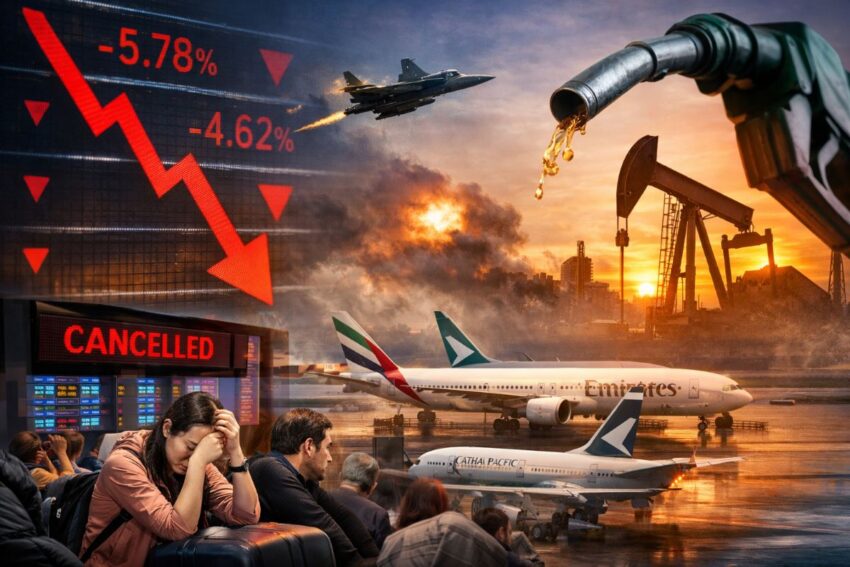
The ripple effects of the US-Iran conflict have been felt across the aviation sector, with significant stock drops in major Asian airlines. Hong Kong’s Cathay Pacific, Australia’s Qantas Airways, Singapore Airlines, and Japan Airlines saw declines of over 5%. Airlines such as Air China, China Southern Airlines, and Malaysia’s AirAsia X also witnessed stock falls of at least 4%. The volatile situation has caused a wave of uncertainty, with aviation experts highlighting the dual impact of rising fuel prices and widespread flight cancellations.
Airlines operating in the Middle East have been the most directly affected, with key hubs like Dubai International and Doha International closed for days. These closures have forced airlines to reroute flights and cancel services, stranding thousands of passengers worldwide. Although some airlines had hedged their fuel costs, the immediate effect of rising oil prices and halted operations has left many scrambling to mitigate further damage.
Major Airlines Suspend Middle Eastern Flights Amid Turmoil
As the conflict escalates, several major airlines have suspended flights to and from the Middle East. Cathay Pacific has canceled all its Middle Eastern flights, including services to Dubai and Riyadh. Singapore Airlines has followed suit, halting flights to Dubai through March 7, while Japan Airlines has suspended its Tokyo-Doha route. The cancellations have disrupted travel for thousands of passengers, especially those planning to travel through or to the Middle East.
Airlines like Qantas, despite not flying directly to the Middle East, have also felt the repercussions. Their reliance on codeshare partnerships with Emirates, which operates in Dubai, has compounded the issue. Shares in Qantas fell by as much as 10.4% initially, though the airline managed to reduce its losses to approximately 6% as the market adjusted. Other airlines that maintain significant routes to the Middle East, including Air India, have also been forced to cancel or reroute flights, leaving many travelers in a state of uncertainty.
Passengers Left Scrambling for New Flights
With the closure of major air hubs like Dubai and Doha, passengers have found themselves stranded or forced to make last-minute changes to their travel plans. Qatar Airways passengers at Sydney Airport were left scrambling, with no guidance from the airline after their flights to Milan via Doha were canceled. One family, from Italy, had to find an alternate route home, traveling a much longer path via Los Angeles.
The chaotic scenes at airports have underscored the growing frustration among passengers. Many travelers were left without clear instructions or updates, adding to the confusion. Some, like elderly passengers traveling from Sydney to Scotland, found themselves redirected multiple times, eventually returning to Sydney after their flight turned back halfway.
The Surge in Oil Prices: An Additional Burden on the Aviation Industry
The US-Iran conflict has also triggered a sharp increase in oil prices, which have surged by 7%, reaching their highest levels in months. The spike in oil prices is directly impacting airlines, as fuel costs represent a significant portion of operational expenses. For carriers already struggling with flight cancellations and operational disruptions, the added pressure of higher fuel costs threatens to exacerbate their financial difficulties.
Asian airlines, especially those with heavy exposure to the Middle East, are expected to face continued challenges. However, some airlines have taken steps to hedge against short-term fuel price fluctuations, providing a buffer against the immediate impact. Despite these measures, the overall instability and rising costs have left airlines with little choice but to adjust their operations, leading to a further decline in stock prices.
Looking Ahead: How Airlines Are Coping with the Crisis
Despite the turbulence caused by the US-Iran conflict, some airlines are adapting by offering flexible rebooking options and waiving rerouting fees for affected passengers. Cathay Pacific, for example, announced that it would allow travelers to rebook their canceled flights to alternative destinations without any additional charges. Similarly, Virgin Australia, which operates in partnership with Qatar Airways, offered free booking changes for its passengers.
While the aviation industry braces for further disruptions, many experts believe that the worst of the crisis may be over by the end of the week, as airlines slowly adjust their schedules and resume services. However, the longer-term effects of the conflict on the aviation industry remain uncertain, with analysts predicting that it could take months for airlines to fully recover from the financial strain and passenger disruptions.
A Shifting Landscape for Asian Airlines
The ongoing US-Iran conflict has disrupted travel and led to significant stock drops for major Asian airlines. While the immediate impact of flight cancellations and surging oil prices has been severe, airlines are taking steps to mitigate the damage. The turbulence in the Middle East and its impact on global aviation highlights the vulnerability of the industry to geopolitical conflicts and the growing importance of oil prices in shaping the future of air travel. As the situation develops, it remains to be seen how the aviation sector will recover and adapt to these challenges.
The post Aviation Crisis in Asia: US-Iran Conflict Forces Airline Shares to Plunge and Disrupts Global Travel appeared first on Travel And Tour World.
Source: travelandtourworld.com



Sorry, the comment form is closed at this time.