


Barcelona Joins Amsterdam, Hallstatt, Santorini, Dubrovnik, Venice and Reykjavik in Highlighting Europe’s Extreme Visitor Ratios, Authorities Focus on Sustainability, Flow Control and Resident Livability
Barcelona Joins Amsterdam, Hallstatt, Santorini, Dubrovnik, Venice and Reykjavik in Highlighting Europe’s Extreme Visitor Ratios, Authorities Focus on Sustainability, Flow Control and Resident Livability
Europe’s most iconic destinations are feeling the pressure as visitor numbers far exceed local populations, and Barcelona now joins the ranks of Venice, Santorini, Dubrovnik, Hallstatt, Amsterdam, and Reykjavík in highlighting the challenges of extreme visitor-to-resident ratios. From narrow canals and cliffside villages to historic city centers and compact urban cores, the impact of concentrated tourism is reshaping daily life, straining infrastructure, and affecting housing availability. Authorities across these cities are implementing measures to manage visitor flow, protect local communities, and promote sustainable tourism, while travelers are encouraged to adjust timing, explore beyond headline landmarks, and respect residential rhythms. This growing focus on balance reflects a shared European effort to preserve both the character of these destinations and the quality of life for those who call them home.
Venice, Italy
Venice’s historic center has fewer than 50,000 residents, yet tens of millions of visitors arrive each year, including day-trippers. This ratio transforms ordinary streets and canals into continuous flows of movement.
Bridges and narrow calli serve simultaneously as thoroughfares, scenic viewpoints, and bottlenecks. Vaporetto stops operate as commuter hubs and tourist gateways at the same time. Key areas such as St Mark’s Square, Rialto Bridge, and the Grand Canal terminals experience near-constant congestion. Even small delays, like a paused tour group or a late boat, ripple through the system, affecting everyone’s movement.
City authorities have introduced peak-day access fees, limits on tour group sizes, and stricter short-term rental regulations to reduce the pressure on the historic core. Visitors who stay overnight, explore less-visited sestieri such as Cannaregio or Castello, and avoid midday peaks encounter a Venice that still functions as a neighborhood rather than just a tourist backdrop.
Dubrovnik, Croatia
Dubrovnik’s population is just over 40,000, yet more than a million visitors arrive annually, generating several million overnight stays. The Old Town’s medieval walls concentrate the majority of activity through a few entry points, which can create bottlenecks during peak periods.
The challenge is largely architectural. Cruise ship passengers often disembark simultaneously, creating overlapping waves of visitors. Narrow streets and stone staircases amplify the effect, turning manageable numbers into perceived overcrowding.
Local authorities coordinate cruise arrivals to prevent simultaneous docking and regulate short-term rentals in the historic core. Travelers can avoid congestion by visiting early or late in the day, exploring neighborhoods outside the Old Town, and supporting long-standing local businesses instead of just souvenir shops.
Santorini, Greece
Santorini’s permanent population hovers near 20,000, yet annual visitors number in the millions. Cruise ship arrivals compress thousands of passengers into brief windows, which strains narrow cliffside paths, cable cars, and public buses. Sunset viewpoints, particularly in Oia, can become crowded quickly.
Authorities have explored cruise caps and better scheduling to reduce peak congestion. Travelers can minimize their impact by visiting during shoulder seasons, starting sightseeing early, and exploring villages off the main tourist routes. Dining and shopping in less-visited areas distributes economic benefits while maintaining the island’s character.
Hallstatt, Austria
Hallstatt is home to roughly 800 residents but attracts millions of visitors in high seasons. The village’s compact footprint directs most traffic toward a single lakeside viewpoint and adjacent streets, which are often packed when tour buses arrive consecutively.
A timed reservation system for coach arrivals has been implemented to smooth visitor flow throughout the day. Travelers who linger for meals, explore side streets, and respect residential spaces help maintain a balance between tourism and local life. Hallstatt functions as both a living village and a globally recognized attraction, and mindful visitation preserves that dual identity.
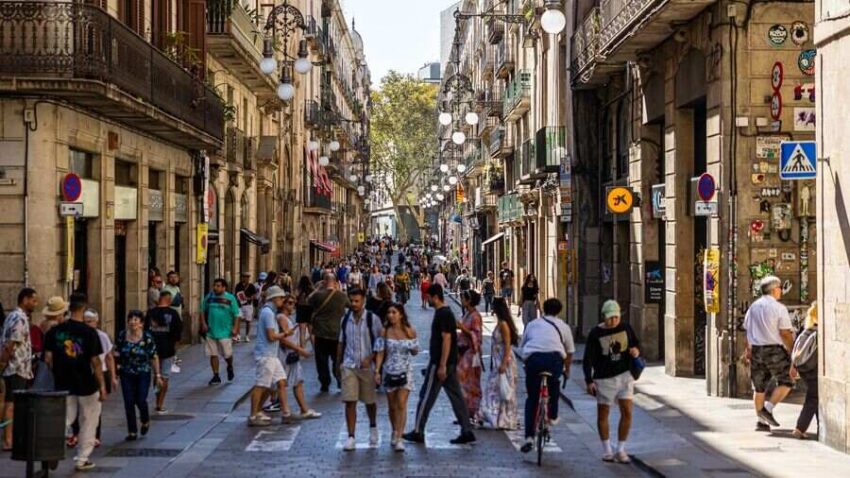
Barcelona, Spain
Barcelona’s population exceeds 1.6 million, yet annual tourist arrivals approach ten times that number. The load is concentrated: the Gothic Quarter, beachfront promenades, and the area surrounding Sagrada Família bear the heaviest pressure.
Housing has become a central concern. Growth in short-term rentals has reduced long-term availability, driving up rents and contributing to neighborhood turnover. Municipal authorities plan to phase out certain tourist apartment licenses to preserve residential stability.
Travelers can help by venturing beyond the historic core to outer neighborhoods, choosing licensed accommodations, and respecting residential quiet hours. Barcelona’s scale allows visitors to explore less-saturated streets, local markets, and parks, spreading economic benefits while reducing congestion in the most photographed areas.
Amsterdam, Netherlands
Amsterdam’s canal ring houses fewer than one million residents but attracts millions of visitors each year. The city’s compact historic center concentrates museums, nightlife, and heritage sites into narrow streets.
Peak congestion arises when multiple attractions, guided tours, and pedestrian traffic converge in the same corridors. Authorities have introduced stricter short-term rental regulations, limits on certain guided tours, and public campaigns promoting respectful visitor behavior.
Travelers can ease pressure by staying in neighborhoods outside the innermost canals, respecting cycling lanes, and visiting museums and markets during off-peak hours. Distributing movement across the city reduces strain on the most congested areas and preserves the character of Amsterdam’s canal districts.
Reykjavík, Iceland
Iceland’s national population remains under 400,000, yet international arrivals exceed two million in strong tourism years. Reykjavík and the Golden Circle attract most visitors, creating high concentrations at key points such as waterfalls, geothermal areas, and city streets.
While tourism generates economic benefits, fragile landscapes and infrastructure face pressure. Travelers can mitigate impact by visiting lesser-known fjords and rural areas, respecting marked trails, and spreading trips across different times of the day. Small adjustments in planning help preserve both natural and urban environments.
Managing the Impact of High Visitor Numbers
The concept of “tourists outnumber locals” is more than a statistic—it shapes daily life in these destinations. High numbers alone do not create conflict. Tension arises when visitors cluster spatially or temporally, when housing stock shifts heavily toward short-term use, or when infrastructure built for small populations absorbs modern surges.
Across Europe, cities and villages experiment with solutions to balance tourism with resident life. Timed entry systems, cruise scheduling, rental regulations, and visitor behavior campaigns all aim to smooth peaks without discouraging travel entirely.
For travelers, awareness is powerful. Visiting off-peak, staying longer, exploring neighborhoods beyond headline attractions, and respecting residential rhythms can transform even the most extreme visitor-to-local ratios into an enjoyable and sustainable experience. By distributing presence across streets, seasons, and expectations, tourism can remain a positive force for communities and visitors alike.
The post Barcelona Joins Amsterdam, Hallstatt, Santorini, Dubrovnik, Venice and Reykjavik in Highlighting Europe’s Extreme Visitor Ratios, Authorities Focus on Sustainability, Flow Control and Resident Livability appeared first on Travel And Tour World.
Source: travelandtourworld.com



Sorry, the comment form is closed at this time.