


Brazil Joins Italy, Spain, and Colombia in Taking Iconic Carnival to New Heights in February 2026 with World-Famous Festivities and Incredible Traditions – Discover the New Details You Need to Know
Brazil Joins Italy, Spain, and Colombia in Taking Iconic Carnival to New Heights in February 2026 with World-Famous Festivities and Incredible Traditions – Discover the New Details You Need to Know
Brazil joins Italy, Spain, and Colombia in taking iconic Carnival celebrations to new heights in February 2026, showcasing world-famous festivities and incredible traditions. From the explosive samba beats of Rio de Janeiro to the masked elegance of Venice, this year’s Carnivals promise unparalleled cultural experiences. Discover the new details you need to know as these vibrant global celebrations prepare to captivate travelers with their rich history, lively parades, and unforgettable energy.
In this article, we’ll explore four of the most iconic carnivals happening in February 2026, each one offering its own distinct flair. These global celebrations blend tradition, music, dance, and community spirit, and you’ll want to be part of them. Here’s a closer look at what makes each carnival so unique and why you should plan to attend.
1. Rio de Janeiro Carnival (Brazil)
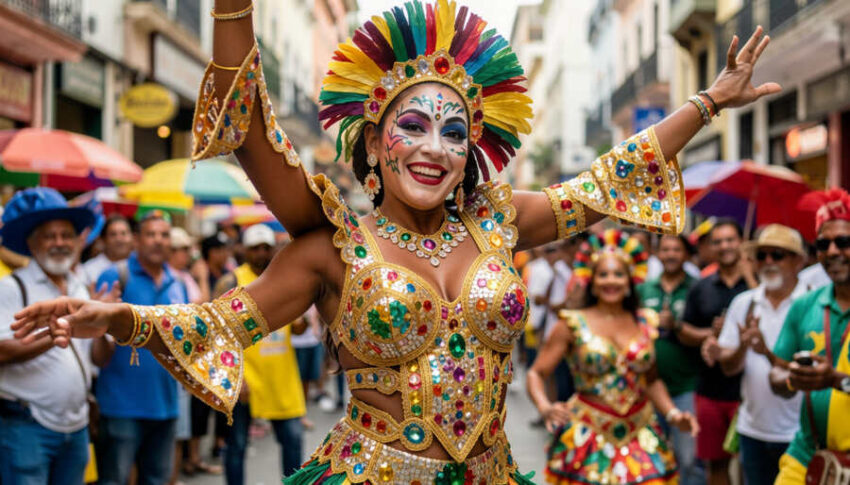
The Rio de Janeiro Carnival is nothing short of legendary. Often called the greatest carnival on the planet, this event captures the soul of Brazilian culture and showcases its explosive samba rhythms, vibrant costumes, and captivating energy. The carnival brings together a mix of African, Portuguese, and indigenous cultural influences, creating a thrilling spectacle.
At the heart of Rio’s carnival lies the Sambadrome, where top samba schools from across the city gather to compete in an impressive parade. Expect massive, ornately decorated floats, thousands of dancers in colourful costumes, and a celebration of life and community. The samba schools, representing various neighbourhoods, take great pride in showcasing their unique themes, blending music, storytelling, and dance into one seamless performance.
While the Sambadrome is the official venue, the celebrations spill out into the streets, with blocos (street parties) filling iconic areas such as Copacabana, Ipanema, and Lapa. These unplanned gatherings feature lively music, dancing, and infectious energy, ensuring the party lasts well into the night.
For those planning to attend in February 2026, the carnival will run from February 13 to 21. Key events like the Special Group Parades will be held between February 15-17, with the Champions Parade closing the festivities on February 21.
2. Venice Carnival (Italy)
For a completely different experience, the Venice Carnival offers an enchanting mix of history, elegance, and mystery. Dating back to the 11th century, Venice’s carnival is one of the oldest in Europe and continues to be one of the most iconic. The city comes alive with exquisite masks and costumes, transporting you back in time to an era of aristocratic charm and masked revelry.
The carnival’s tradition of wearing masks allows participants to shed their identities, creating a sense of equality and freedom that allows for satire, fun, and creativity. This tradition dates back to the 18th century when masks were used to provide anonymity, enabling people from all walks of life to interact openly. Some of the most famous masks—Bauta and Plague Doctor—are still worn today.
Key events include the iconic Volo dell’Angelo (Flight of the Angel), where a performer dressed as an angel descends from the top of St. Mark’s Campanile, and the Grand Canal Water Parade, where decorated boats glide through the canals in front of Venice’s stunning architecture. The mask contests in St. Mark’s Square are also a highlight, as participants compete to wear the most elaborate designs.
The Venice Carnival in 2026 will run from January 31 to February 17, with the main celebrations beginning on February 7 and lasting until the grand finale on February 15-17.
3. Carnival of Santa Cruz de Tenerife (Spain)
The Carnival of Santa Cruz de Tenerife is one of Europe’s largest and most renowned carnivals. Held in the Canary Islands, this event is a delightful fusion of Latin American and Spanish cultural influences. Known for its dazzling costumes, lively parades, and infectious music, the carnival takes over the streets of Santa Cruz in a stunning display of creativity.
The carnival’s highlight is the Queen of Carnival Gala, where contestants showcase extravagant costumes in a glamorous competition. The Grand Parade, held on February 17, features thousands of dancers and revelers marching through the city, accompanied by colourful floats and lively music. The carnival also embraces the Latin Rhythms theme, with performances that draw inspiration from the vibrant sounds of Latin America.
While the carnival is a major tourist attraction, it remains deeply rooted in local culture, with many of the participants coming from the Canary Islands’ communities. It’s a perfect blend of tourism and tradition, offering a lively atmosphere that lasts for days.
The 2026 Carnival of Santa Cruz de Tenerife will run from Mid-January to February 22, with the most intense celebrations taking place from February 13-22. The Opening Parade will kick things off on February 13, and the Grand Parade and final celebrations will be held on February 17.
4. Barranquilla Carnival (Colombia)
The Barranquilla Carnival is Colombia’s most important cultural festival and a UNESCO-recognized event. This carnival is notable for its rich history, combining European, African, and indigenous traditions to create a celebration full of music, dance, and community spirit. The event is a celebration of Caribbean culture, featuring parades, folklore performances, and plenty of dancing.
The carnival is centred around the streets of Barranquilla, with the main parade taking place on Via 40. A key highlight is the Guacherna Parade, which happens at night and features illuminated floats, dancers, and musicians in traditional costumes. Another key moment is the Proclamation Ceremony, which marks the official start of the carnival.
Unlike many other carnivals that are primarily tourism-driven, the Barranquilla Carnival places a strong emphasis on community participation, where locals take the lead in organizing and performing in the various events. The carnival’s traditions remain deeply connected to the city’s culture, making it one of the most authentic and culturally significant carnivals in the world.
The Barranquilla Carnival 2026 will run from February 6 to 17, with the main events taking place from February 14-17.
Conclusion
The carnivals of February 2026 offer a truly unparalleled way to celebrate global cultures, music, and the universal spirit of joy. Whether you are drawn to the electrifying samba beats of Rio de Janeiro, the mystique and elegance of Venice, the grandeur of Santa Cruz de Tenerife, or the cultural richness of Barranquilla, each carnival offers a distinct experience that’s unforgettable.
For those planning to join in on the celebrations, make sure to book your travel plans well in advance—these iconic events attract millions of visitors every year, and accommodations and tickets can sell out quickly. No matter which carnival you choose to attend, you’ll be part of a global celebration that will stay with you forever.
The post Brazil Joins Italy, Spain, and Colombia in Taking Iconic Carnival to New Heights in February 2026 with World-Famous Festivities and Incredible Traditions – Discover the New Details You Need to Know appeared first on Travel And Tour World.
Source: travelandtourworld.com


Sorry, the comment form is closed at this time.