


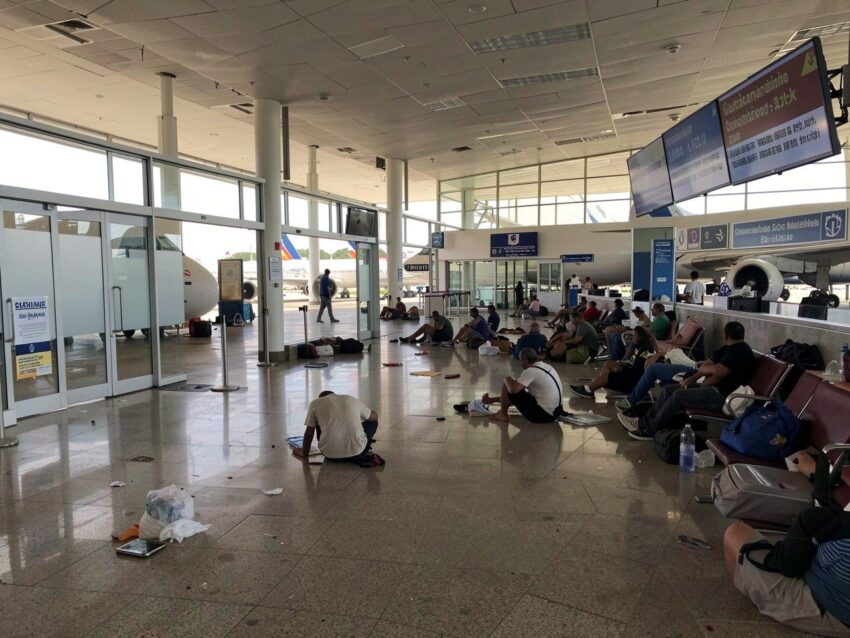
Canada, Russia, UK Shocked as Air Canada, Air Transat & WestJet Ground Flights, Cuba’s Hotels Dark and Empty Amid US Fuel Blockade!
Canada, Russia, UK Shocked as Air Canada, Air Transat & WestJet Ground Flights, Cuba’s Hotels Dark and Empty Amid US Fuel Blockade!
Canada, Russia, and the UK are all reeling as Air Canada, Air Transat, and WestJet are forced to ground flights to Cuba amid an unprecedented fuel crisis. The once-vibrant Caribbean island, known for its beautiful beaches, rich culture, and lively tourism industry, is now facing severe disruptions as the U.S. sanctions and an ongoing oil blockade have choked its fuel supply chain. This crisis, worsened by the U.S. military operation in Venezuela, has left thousands of tourists stranded, disrupted flights, and created widespread chaos in Cuba’s hospitality sector. With airlines pulling out, major hotel chains like Meliá and Cubanacan shutting down operations, and the threat of further flight cancellations, travelers hoping for an idyllic Cuban getaway now face the harsh reality of fuel shortages, power outages, and logistical nightmares. For those still determined to visit, the situation presents not only frustration but also a race against time to secure transportation and accommodation amidst a rapidly changing landscape. With airlines and hospitality giants scrambling to adapt, this is a crisis that has shaken Cuba’s tourism industry to its core, and it’s leaving would-be visitors to question the feasibility of their trips.
Canada, Russia, UK Shocked as Air Canada, Air Transat & WestJet Ground Flights — Cuba’s Hotels Dark and Empty Amid US Fuel Blockade!
Cuba, a popular Caribbean destination known for its vibrant culture, rich history, and stunning beaches, has found itself in the midst of a severe fuel shortage crisis that has triggered widespread disruptions across its tourism, airline, and hospitality industries. The fuel crisis, exacerbated by tightening U.S. sanctions following the U.S. military raid on Venezuela, has caused an unprecedented wave of flight cancellations, hotel shutdowns, and travel advisories. As Canada, Russia, and the UK reel from the effects of this shortage, tourists are left grappling with a rapidly changing situation in Cuba that affects everything from flights to accommodation. For those planning to travel, here’s a breakdown of the crisis and what it means for your upcoming vacation.
Cuba’s Fuel Shortage Impacting Airlines: Air Canada, Air Transat & WestJet Ground Flights
Cuba’s fuel shortage, worsened by U.S. sanctions, has had an immediate impact on international flights. Major Canadian airlines—Air Canada, Air Transat, and WestJet—have been forced to cancel or drastically reduce their flights to Cuba. Air Canada, for instance, announced the suspension of all flights to Cuba in February 2026, affecting thousands of travelers. This decision follows a nationwide fuel crisis that has left Cuba unable to supply jet fuel to airlines operating out of its airports.
For travelers hoping to visit Cuba in the near future, this means a higher likelihood of flight cancellations or rerouting. Both Air Transat and WestJet have warned their customers about the possibility of canceled flights due to the ongoing fuel shortages. These airlines, typically known for their strong ties to Cuba’s tourism market, are struggling to maintain regular services, and the situation may worsen if the fuel shortage is not resolved soon.
While many Canadians typically flock to Cuba for sun-filled getaways, the current situation has significantly impacted travel plans. The suspension of flights has not only created inconvenience but has also left travelers stranded in Cuba. Those already on the island are being prioritized for repatriation flights, with empty planes flying back to Canada to bring home thousands of Canadian tourists who had their flights canceled. This sudden disruption is expected to affect future bookings, with travelers now considering alternate Caribbean destinations.
The immediate impact is being felt most acutely by airlines that have a strong presence in Cuba. Air Canada, which typically operates multiple weekly flights from major cities such as Toronto, Montreal, and Vancouver, has seen a sharp drop in traffic to the island. This has led to financial losses for the airline, which now faces the added challenge of maintaining customer goodwill amidst the operational difficulties. As the fuel crisis continues, both Air Transat and WestJet are exploring contingency plans, which may include rerouting passengers to nearby destinations like the Dominican Republic or Mexico, or even suspending operations to Cuba for the foreseeable future.
Cuba’s Hospitality Industry in Crisis: Hotels Go Dark, Meliá and Cubanacan Forced to Close
As fuel shortages continue to cripple Cuba’s tourism infrastructure, the island’s hospitality sector is experiencing a severe crisis. Popular hotel chains, including Meliá Hotels and Cubanacan, have been forced to shutter some of their properties or operate with reduced services. The power cuts resulting from the energy crisis have made it increasingly difficult for hotels to maintain normal operations. Many hotels have implemented rolling blackouts, and some have completely closed their doors, unable to provide the basic amenities required by tourists.
For travelers seeking an authentic Cuban experience, this has made booking accommodation a tricky task. With reduced hotel availability, tourists are advised to check the status of their booked accommodations in advance, as many resorts are now consolidating guests into fewer properties. Travelers who have already made reservations are being offered refunds or alternative accommodations, but availability is limited. The crisis has forced several high-end resorts to downsize their services, offering fewer amenities such as dining options, room cleaning, and entertainment.
Meliá Hotels, one of the largest hotel chains in Cuba, has made headlines for its decision to close several of its properties due to the fuel shortages. This decision impacts travelers who had planned to stay in luxury resorts along Cuba’s popular beaches like Varadero and Havana. Cubanacan, another large hotel group, is also facing similar challenges. As a result, the overall experience for tourists in Cuba has been significantly affected. For those who are still able to find available rooms, they are often at a much higher price point than usual due to the lack of competition and the scarcity of rooms.
Moreover, the hospitality industry is also struggling with the scarcity of supplies and staff shortages. Without reliable transportation to and from hotels, the movement of goods has slowed significantly. The already limited local supply chains are now under even more pressure, making it harder for hotels to stock essentials like food, beverages, and toiletries. This disruption has affected not only international hotels but also smaller local guesthouses and bed-and-breakfast establishments that rely on the same fuel for transportation and supply chains.
The ongoing uncertainty in Cuba’s hospitality sector has led some travelers to reconsider their travel plans entirely. While the crisis is expected to ease eventually, the long-term effects of the fuel shortage on Cuba’s reputation as a top tourist destination remain unclear.
The Deteriorating Situation in Cuba’s Tourism: What Travelers Need to Know
For tourists planning a trip to Cuba in the near future, it’s essential to understand the current challenges facing the island’s tourism infrastructure. Cuba’s fuel shortage, which has resulted in canceled flights, power outages, and hotel closures, has made it more difficult for travelers to enjoy a seamless vacation experience. With some of Cuba’s most popular attractions now facing limitations due to fuel shortages, tourists need to be prepared for a less-than-ideal visit.
Tourists visiting Cuba in the near future are advised to stay updated on flight cancellations and changes. Airlines like Air Canada, WestJet, and Air Transat have already suspended flights, and others may follow suit if the fuel crisis persists. Travelers should stay in close contact with their airlines to ensure they are aware of any changes to their travel plans.
Those who are still planning to travel to Cuba should also be aware of the possible limitations on transportation. Public transportation in Havana and other major cities has been severely affected by the fuel shortage, and some visitors may have to rely on taxis or private transportation, which may be in short supply or much more expensive. Visitors should plan their transportation needs in advance and be prepared for potential delays.
Accommodation options are also limited, with many hotels either closing or operating with reduced services. Travelers may need to adjust their expectations regarding the level of service they will receive at their accommodation. It’s advisable to reach out to your hotel ahead of time to confirm the status of your booking and inquire about the availability of essential services like electricity and water. Additionally, travelers should expect to pay higher rates for available rooms due to the limited supply and increased demand for accommodations.
Travel Tips: How to Navigate Cuba’s Fuel Crisis
For those who are determined to visit Cuba despite the challenges, there are several travel tips that can help ensure a smoother trip:
Book Flights and Hotels Early: Given the uncertainty around flight schedules and hotel availability, it’s crucial to book your flight and accommodation as early as possible. This will give you the best chance of securing a spot on available flights and finding a room in an open hotel.
Check Flight Status Regularly: Since airlines are continuing to adjust their schedules, travelers should check their flight status regularly to stay informed of any cancellations or delays. Airlines are working hard to accommodate passengers, but it’s essential to stay on top of any changes.
Prepare for Disruptions: Given the ongoing fuel shortages, be prepared for possible disruptions to your travel plans. Flights may be delayed, and transportation options may be limited. Make sure to have a backup plan for getting to and from the airport and between destinations within Cuba.
Pack Essentials: With some supply chains disrupted, it’s a good idea to pack extra essentials such as toiletries, snacks, and medications. You may find it difficult to purchase certain items while on the island, especially in more remote areas.
Stay Informed About Travel Advisories: Given the current political climate and ongoing fuel shortages, make sure to stay updated on travel advisories issued by your home country. This will help you understand any risks or restrictions that may impact your trip.
Flight Details: What Travelers Should Know About Air Travel to Cuba
As of February 2026, several major airlines have canceled or reduced their flights to Cuba. These include Air Canada, WestJet, and Air Transat. For those traveling from Canada, this has significantly impacted direct access to the island. However, some airlines are still operating flights to Cuba, albeit with fewer options. Travelers can expect fewer direct flights and increased layovers, as airlines search for ways to work around the fuel shortages.
Flights to Cuba are expected to be more expensive due to the reduced availability and increased demand. Airlines may also implement longer routes or use smaller aircraft, which could result in a more cramped and uncomfortable flying experience. Given the ongoing uncertainty, travelers are encouraged to book their flights as early as possible and confirm the status of their tickets before heading to the airport.
Navigating the Cuba Fuel Crisis as a Tourist
Cuba’s current fuel shortage, worsened by U.S. sanctions and the fallout from the U.S. military operation in Venezuela, has created a perfect storm of challenges for tourists planning a visit to the island. With major airlines canceling flights, hotels shutting down, and transportation services facing delays, Cuba’s tourism industry is experiencing one of its most difficult periods in recent memory.
For travelers, the key to navigating this crisis is flexibility. Stay informed, book early, and be prepared for potential disruptions. While Cuba remains a beautiful and historic destination, visitors should keep in mind that the current fuel crisis has made travel to the island more complex than ever before. As the situation continues to evolve, it’s essential for tourists to remain proactive, seek out updated information, and approach their Cuba trip with a sense of adaptability.
Canada, Russia, and the UK are stunned as Air Canada, Air Transat, and WestJet cancel flights to Cuba amid a severe fuel crisis worsened by U.S. sanctions. The island’s tourism and hospitality sectors are reeling as fuel shortages and power outages disrupt travel plans for thousands of tourists.
While the island’s future as a top tourist destination may be uncertain, Cuba’s cultural charm, beautiful beaches, and vibrant spirit remain undeniable. For those willing to brave the current conditions, Cuba can still offer an unforgettable travel experience, but only if you’re prepared to navigate the complexities of a fuel-deprived paradise.
The post Canada, Russia, UK Shocked as Air Canada, Air Transat & WestJet Ground Flights, Cuba’s Hotels Dark and Empty Amid US Fuel Blockade! appeared first on Travel And Tour World.
Source: travelandtourworld.com



Sorry, the comment form is closed at this time.