


Canada, UK, France, and Germany Face Economic Havoc as U.S. Tourism Dips – How Airlines Like Delta and American Airlines Are Struggling!
Canada, UK, France, and Germany Face Economic Havoc as U.S. Tourism Dips – How Airlines Like Delta and American Airlines Are Struggling!
Canada, the UK, France, and Germany are facing unprecedented economic consequences as a result of the sharp decline in U.S. tourism, a downturn that has deeply impacted industries across the Atlantic. In 2025, escalating trade tensions and political rhetoric, particularly from President Trump, led to a dramatic 25% drop in Canadian visitors to the U.S., which sent shockwaves through the airline and hospitality sectors. Airlines such as Delta and American Airlines have struggled to adjust to the reduced demand, slashing flights and facing financial losses, while the hospitality industry, including major chains like Hilton and Marriott, has grappled with plummeting bookings and reduced revenues. This tourism slump has not only affected cross-border travel but also reverberated across the broader U.S. economy, highlighting the fragility of the tourism sector, where international visitors, particularly from Canada and Europe, play a crucial role in sustaining jobs and driving local economies. With travel patterns shifting and major carriers adjusting their networks, the question remains: how will this disruption reshape the future of U.S. tourism, and what does it mean for international travelers looking to visit the U.S. in the coming years?
Canada, UK, France, and Germany Face Economic Havoc as U.S. Tourism Dips
The year 2025 has brought significant disruptions to the U.S. tourism industry, particularly affecting international travelers from Canada, the UK, France, and Germany. The sharp decline in Canadian visitors to the United States, largely triggered by escalating trade tensions and political rhetoric from the Trump administration, has reverberated across the tourism, airline, and hospitality industries. With U.S. tourism suffering a major blow, major airlines such as Delta, American Airlines, and several hotel chains have been hit hard. The impact is far-reaching, leaving these industries scrambling to adjust to the changes. But how did this all begin, and what does it mean for future travel?
The Decline of Canadian Tourists to the U.S. and Its Economic Fallout
One of the most notable effects in 2025 has been the significant drop in Canadian travelers to the U.S., with visitor numbers plummeting by up to 25%. This is largely attributed to the political climate, including President Trump’s rhetoric surrounding trade deals and the possibility of U.S. acquisitions in Canada. As tensions rose, Canadians became more hesitant about visiting the U.S., resulting in a sharp decrease in tourism. This decline has had a massive ripple effect on the U.S. economy, especially in regions that heavily rely on Canadian tourism, such as major cities near the U.S.-Canada border.
The loss of Canadian tourists has been devastating for U.S. tourism-dependent regions. In fact, Canadian visitors account for a significant portion of the overall international tourist traffic to the U.S. — nearly 28% in 2024. Cities like New York, Miami, and Las Vegas, which are prime destinations for Canadian tourists, saw a substantial decrease in foot traffic. This decline in visitors not only affected local businesses but also caused a drop in revenue for airlines, tour operators, and the hospitality industry.
How the UK, France, and Germany Are Affected by the U.S. Tourism Dip
It’s not just Canada that’s feeling the effects of this tourism downturn. The UK, France, and Germany have also seen their share of visitors to the U.S. decline in 2025. According to travel analysts, these European markets experienced up to a 9% reduction in tourist arrivals to the U.S. compared to 2024. A combination of factors contributed to this dip, including the political climate, rising travel costs, and a shift in consumer sentiment toward more favorable destinations.
For the UK, the decline in U.S.-bound tourism is part of a broader trend where travelers are opting for European destinations instead. The same applies to France, where more French tourists have turned to neighboring countries like Spain and Italy, which offer more affordable travel options. Germany also saw a drop in travelers heading to the U.S. in 2025, as many opted for closer destinations within the European Union.
The situation is not just about the volume of visitors; it’s also about the type of tourism lost. The U.S. tourism sector relies heavily on high-spending international visitors from the UK, Germany, and France, who contribute significantly to the economy. The reduction in these high-value tourists has had a noticeable impact on U.S. tourism revenues, particularly in luxury hotels and premium travel services.
The Struggles of Airlines Like Delta and American Airlines
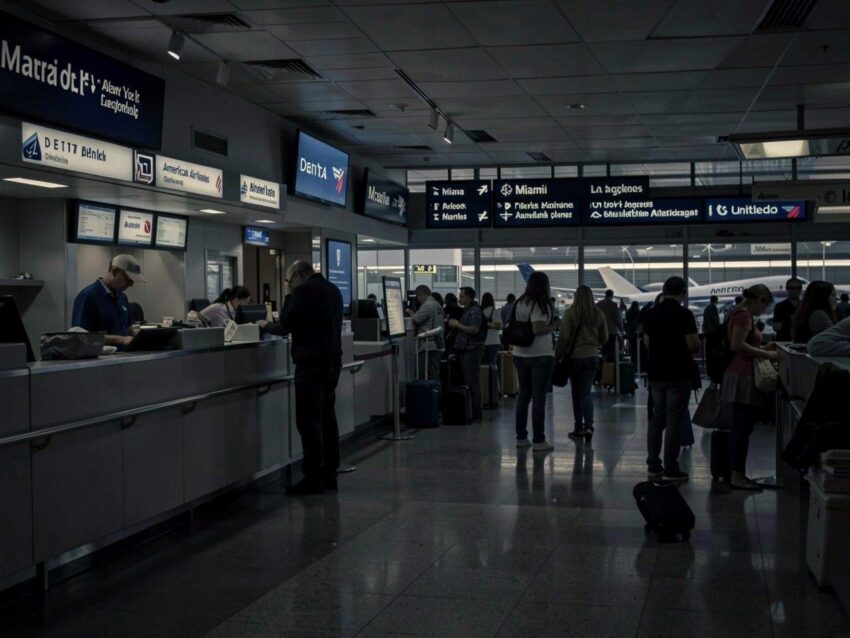
As the demand for international flights to the U.S. faltered, major airlines like Delta Air Lines, American Airlines, and United Airlines found themselves grappling with excess capacity and reduced profitability. Delta, one of the largest carriers flying from the UK and Canada to the U.S., reported a noticeable dip in long-haul bookings. The airline adjusted by reducing flight frequencies on certain routes, including those between London Heathrow and New York City, two major hubs for transatlantic travel.
American Airlines also faced similar challenges, particularly with flights originating from Germany and France. The airline was forced to scale back its services between Frankfurt and Chicago, as demand for cross-Atlantic travel dwindled. Despite efforts to boost domestic travel within the U.S., the impact of reduced international tourism remained significant. United Airlines, too, witnessed a decline in international bookings, especially from Canada and the UK, which are historically strong markets for the airline.
For these airlines, the consequences were not limited to revenue losses. Reduced flight frequencies led to fewer options for travelers, especially those wanting to fly from Europe and Canada to the U.S. Furthermore, the airlines had to contend with high operating costs, including fuel and airport fees, with reduced demand failing to offset these expenses.
The Effect on the U.S. Hospitality Industry
The U.S. hospitality industry has also taken a significant hit. Hotels, particularly those in border regions and popular tourist destinations like New York, Miami, and Los Angeles, have seen a drop in occupancy rates. With fewer Canadians visiting, these cities are feeling the pressure as they rely heavily on cross-border tourism. For hotels like Hilton, Marriott, and Hyatt, the drop in international visitors has meant lower room bookings and fewer extended stays.
For luxury hotels, which traditionally cater to high-spending international visitors, the losses have been particularly severe. Many of these hotels rely on the influx of Canadian, European, and Asian tourists to maintain profitability. When these customers stopped coming, the impact was felt deeply in the bottom lines of these major chains.
Moreover, as the demand for international tourists fell, the hospitality industry was forced to pivot its marketing efforts. Many hotel chains started targeting domestic U.S. travelers to fill the void left by international tourists. However, the domestic market could not fully compensate for the loss of high-spending international visitors. As a result, some hotels had to adjust their pricing strategies and offer promotions to attract local tourists, ultimately leading to a reduced revenue per available room (RevPAR).
What Can Tourists Expect in the Coming Years?
For tourists looking to visit the U.S. in 2026 and beyond, there are a few important trends to keep in mind. First, flight options may be more limited, especially for international routes that were heavily reliant on travelers from Canada and Europe. Some airlines have already reduced their service frequencies, meaning that travelers will need to plan their trips well in advance to secure their preferred flight times. Additionally, travelers may find higher ticket prices due to reduced competition on popular international routes.
Secondly, while U.S. destinations are still attracting domestic visitors, international travelers may experience fewer crowds, especially in tourist-heavy cities. For those who can navigate the higher costs and limited flight options, there may be opportunities to enjoy popular attractions without the usual throngs of tourists. However, tourists should also be prepared for price hikes in the hospitality industry, especially in major cities, where the drop in international visitation has led to fewer budget-friendly options.
Lastly, travelers may notice an increased focus on domestic tourism. As the U.S. works to recover from the drop in international visitors, local tourism authorities and hospitality brands are expected to ramp up their efforts to attract U.S. residents. This could mean more promotions and domestic travel incentives, which could be beneficial for locals looking to explore their own country.
Travel Tips for Tourists Heading to the U.S. in 2026
Book Flights Early: With fewer international flights available, it’s crucial to book your flights as early as possible to secure the best rates and availability.
Consider Off-Peak Seasons: To avoid higher prices and crowded tourist spots, consider traveling during the off-peak seasons.
Explore Lesser-Known Destinations: Instead of heading to the usual tourist hotspots, try exploring lesser-known destinations within the U.S. that offer unique experiences without the crowds.
Check Airline Offers: Many airlines are now offering special deals for travelers willing to take flexible routes or times. Be sure to check for these promotions.
Pack Smart: Due to the higher cost of travel, it’s wise to pack light to avoid unnecessary baggage fees and make your journey more comfortable.
Flight Details You Should Know
Travelers can expect the following from major airlines serving U.S. international routes:
Delta Airlines: Currently operating reduced flights between London Heathrow and New York City, with options available for flights between Frankfurt and Atlanta.
American Airlines: Offering limited services from Paris to Dallas and London to Philadelphia. Booking well in advance is advised to secure seats.
United Airlines: Fewer direct routes from Europe to the U.S. are available, especially to smaller cities. Make sure to check for connecting flights if flying into regional airports.
As Canada, the UK, France, and Germany face significant economic fallout from the decline in U.S. tourism, airlines and the hospitality industry scramble to adapt. The shift in travel dynamics raises questions about the future of international tourism to the U.S. and its broader impact on the global travel economy.
Wrapping Up
The drop in Canadian visitors to the U.S. has undoubtedly shaken the tourism, airline, and hospitality industries. However, while some destinations are struggling, there are still opportunities for savvy travelers to explore the U.S. on a budget. The key to navigating these changes is flexibility and early planning, as the future of travel to the U.S. looks different than it has in years past. Whether you’re flying from Europe, Canada, or further afield, understanding these shifts will help you make the most of your American adventure.
The post Canada, UK, France, and Germany Face Economic Havoc as U.S. Tourism Dips – How Airlines Like Delta and American Airlines Are Struggling! appeared first on Travel And Tour World.
Source: travelandtourworld.com



Sorry, the comment form is closed at this time.