


Carnival Cruise Line Experiences Widespread IT New Travel Disruptions Causing Major Passenger Delays Across North America
Carnival Cruise Line Experiences Widespread IT New Travel Disruptions Causing Major Passenger Delays Across North America
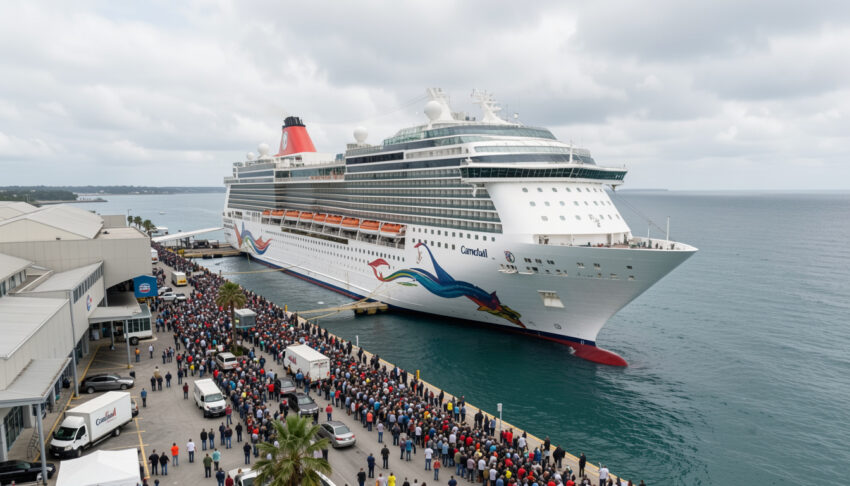
Carnival Cruise Line recently experienced a series of IT system failures that disrupted operations across multiple vessels in North America, leading to significant delays in passenger boarding and disembarkation. The technical issues, which occurred on Sunday, February 9, 2026, impacted a range of services, prompting the company to take immediate action and communicate with affected travelers.
The disruptions occurred during scheduled maintenance of critical onboard systems. These failures affected essential navigation and safety functions, preventing ships from departing on schedule. To ensure passenger safety, the vessels remained in port until all systems were fully restored and operational. This precautionary measure, while necessary, caused considerable inconvenience for travelers planning their voyages.
Passengers experienced extended wait times while disembarking and embarking. Automated processes were temporarily offline, forcing staff to manually verify the departure of each guest. Cabin keys were collected to confirm disembarkation, which, while ensuring safety and accurate tracking, lengthened the overall process. The combination of manual verification and system downtime created delays for both arriving and departing guests.
Those boarding the affected ships also encountered delays in accessing cabins, completing check-in procedures, and beginning their onboard experience. Crew members were mobilized to manage lines, guide passengers, and provide real-time updates. Despite the delays, efforts were made to ensure that travelers could begin enjoying onboard amenities, dining options, and entertainment with minimal disruption.
The cruise line’s HUB App, a digital platform used for scheduling, activities, and onboard information, also experienced outages. This limited passengers’ access to critical information and services, affecting the overall convenience of their experience. Technical teams worked tirelessly to restore the app’s functionality, with some services still being corrected the following morning.
To address confusion and keep travelers informed, Carnival sent text messages and voicemail notifications to all passengers impacted by the IT issues. The company emphasized that ship personnel and digital communications would continue to provide updates as systems were restored and operational procedures adjusted.
Industry observers noted that cruise lines rely heavily on digital infrastructure for operational efficiency, passenger safety, and service delivery. While technology streamlines processes, this incident highlighted the necessity of maintaining robust manual procedures. Manual verification ensured that safety standards were upheld and that passenger data remained accurate despite digital outages.
The cruise line reassured passengers that IT teams were actively working to resolve all system issues and restore full operational stability. Leadership emphasized that the incident would be used to refine procedures, strengthen systems, and prevent similar disruptions in the future. Proactive measures are being taken to enhance digital resilience and reduce the likelihood of extended delays in upcoming voyages.
Reactions from passengers were mixed. Many praised the cruise line’s transparent communication, quick updates, and efforts to manage the disruption efficiently. Others expressed frustration over the extended waiting times for boarding and disembarkation. The company reaffirmed its commitment to passenger satisfaction and announced that lessons from the incident would inform operational improvements.
The technical disruptions underscored the complexities of modern cruise operations, where digital systems play a central role in navigation, safety, and guest services. Despite the reliance on technology, manual procedures proved essential to maintaining operational integrity and passenger safety during the outage. The incident demonstrated the importance of balancing advanced digital tools with tried-and-true operational protocols.
Crew members played a critical role in minimizing the impact of the disruptions. By guiding passengers, managing lines, and providing timely updates, staff ensured that the guest experience continued smoothly once onboard services were available. The cruise line’s approach reflected effective crisis management and a focus on maintaining service standards despite operational challenges.
As the North American winter cruise season progresses, passengers are encouraged to monitor official communications for updates regarding system restoration, potential itinerary adjustments, or other operational notices. Carnival confirmed that every step is being taken to restore full operational capacity and to prevent similar incidents from affecting future voyages.
The February 9 IT disruptions serve as a reminder of the challenges cruise operators face in integrating digital infrastructure with traditional operational systems. Technology enhances efficiency and convenience, but reliable manual protocols are essential for safety, compliance, and maintaining guest satisfaction during unforeseen technical failures.
Overall, Carnival Cruise Line’s response highlighted its commitment to operational resilience, transparent communication, and passenger care. The combination of proactive management, dedicated staff, and ongoing system restoration efforts ensured that safety remained paramount, while disruptions to the onboard experience were minimized. As normal operations resume, the company remains focused on enhancing digital infrastructure and operational readiness to provide uninterrupted cruising experiences for all travelers.
The post Carnival Cruise Line Experiences Widespread IT New Travel Disruptions Causing Major Passenger Delays Across North America appeared first on Travel And Tour World.
Source: travelandtourworld.com



Sorry, the comment form is closed at this time.