


Centara’s Himalayan Hideaway Resort Pokhara Introduces Slower, Meaningful Nepal Exploration, Boosting Local Hospitality Growth with Sustainable Experiences
Centara’s Himalayan Hideaway Resort Pokhara Introduces Slower, Meaningful Nepal Exploration, Boosting Local Hospitality Growth with Sustainable Experiences
Centara Hotels & Resorts is launching its presence in Nepal’s hospitality market with the opening of Himalayan Hideaway Resort Pokhara, providing tourists with a different experience compared to fast-paced and high-scale tourism operations. With the change in global tourism operations and a shift towards sustainable and authentic travel experiences, tourists are now able to experience a stay at Himalayan Hideaway Resort & Spa and immerse themselves in the culture and lifestyle of Nepal by staying rooted in one place. This is the first resort of Centara in Nepal and is set to become a major player in Nepal’s tourism market with the growing demand for such experiences.
A Tranquil, Community-Centered Resort Offering Authentic Himalayan Experiences
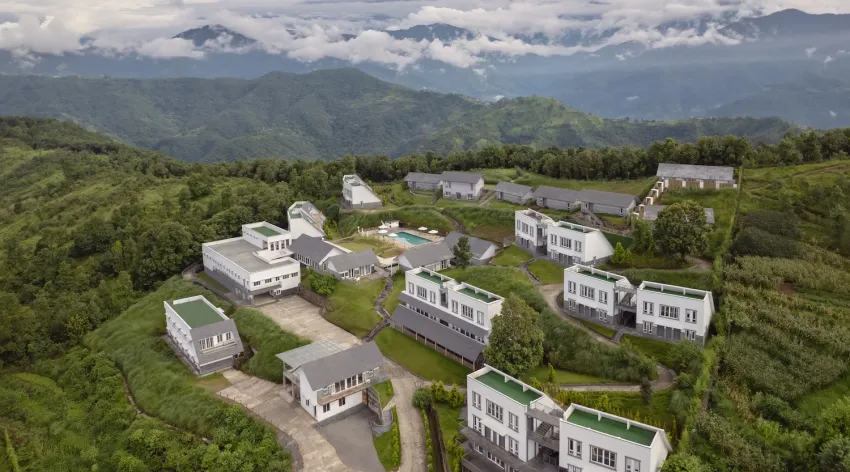
Nestled in the serene village of Kaskikot, approximately 35 minutes from Pokhara, the resort offers sweeping views of the Annapurna mountain range and Machhapuchhre (Fishtail mountain). Designed not as a transient stopping point but as a calm base for travelers, Himalayan Hideaway Resort Pokhara enables guests to engage with the region at a slower, more contemplative pace. This approach responds to a growing demand for more intimate, destination-led travel, moving away from high-intensity itineraries to a focus on connection — both with nature and with local communities.
With direct access to the Sarangkot Loop Trail, the resort encourages exploration on foot, providing a deeper sense of place, all while creating an environment where the stresses of typical travel can melt away. The resort’s focus on local culture and community offers guests a unique, grounded experience that goes beyond typical sightseeing. This approach to hospitality is in line with the rise of slow travel, which is increasingly seen as a means to enhance both guest experiences and the local economy.
A Transformative Approach to Hospitality Growth and Community Engagement
Himalayan Hideaway Resort Pokhara stands out not just for its design but also for its deep engagement with Nepali village life. The resort’s guided village walks take guests along the Sarangkot Loop Trail, leading them through local communities where agriculture, family routines, and traditions shape daily life. Guests can witness agricultural practices such as rice planting during the summer and experience cultural moments like shared meals or morning prayers. This hands-on immersion in local culture adds immense value to the hospitality offering and serves to attract travelers who are keen on learning about authentic lifestyles rather than just checking off tourist sites.
By directly involving guests in local community life, Himalayan Hideaway Resort also contributes to the economic growth of Pokhara and surrounding regions. The resort’s commitment to preserving and sharing traditional practices fosters economic sustainability, providing opportunities for local villagers to benefit from tourism in a way that respects their culture and lifestyle. This aspect of community-based tourism can significantly contribute to Nepal’s overall hospitality growth, particularly in areas outside the traditional tourist hubs.
Connecting History, Culture, and Hospitality
Kaskikot, home to the Gupta Kali Temple and the ruins of a former palace from the Shah dynasty, plays a key role in the resort’s approach to historical engagement. Instead of offering history as a set of predetermined attractions, the resort facilitates authentic, cultural encounters that allow guests to engage with Nepal’s rich heritage as part of their day-to-day experiences. Local festivals, including Dashain, provide further opportunities for guests to connect with traditions that have been preserved over centuries.
This approach to history isn’t about rushing through a list of sights; it’s about experiencing heritage as a living, breathing part of community life. By offering respectful introductions to these traditions, the resort helps visitors form deeper connections with the country and its people. As Nepal’s hospitality industry continues to expand, such community-led experiences play a significant role in creating sustainable tourism models that can have long-term benefits for both guests and locals.
The Future of Responsible Hospitality in the Himalayas
The resort also offers guests the opportunity to explore the iconic landscapes of Nepal at a slower pace. While the Annapurna Base Camp trek remains a popular destination for adventure travelers, Pokhara provides alternatives for those looking for less physically demanding activities like paragliding and ultralight flights. These experiences provide guests with the opportunity to appreciate the grandeur of the Annapurna range without contributing to the negative impacts of overtourism.
The resort’s approach aligns perfectly with the goals of the Annapurna Conservation Area Project (ACAP), which works to ensure responsible trekking practices. As Nepal’s hospitality sector grows, more destinations are looking to embrace this kind of sustainable, community-centered tourism model. The Himalayan Hideaway Resort stands as a prime example of how tourism can grow in a way that supports both local economies and environmental conservation.
Centara’s Role in Nepal’s Expanding Hospitality Market
With the opening of Himalayan Hideaway Resort Pokhara, Centara Hotels & Resorts is making a strategic entry into Nepal’s hospitality market at a time when travelers are seeking deeper, more meaningful connections with the places they visit. As Nepal’s tourism industry grows, particularly in the Pokhara region, the resort’s model of slow travel and community engagement is expected to play a key role in shaping the future of sustainable hospitality in the region.
This approach not only offers travelers a more authentic, relaxing experience but also helps to position Centara as a pioneer in the slow tourism movement. With the growing trend of meaningful travel and the rise of responsible tourism, Centara’s commitment to offering immersive, nature-connected experiences is aligned with global shifts in consumer preferences. As the brand expands in South Asia, the success of Himalayan Hideaway Resort Pokhara sets the stage for further growth in Nepal and beyond.
Sustainable Hospitality Contributing to Nepal’s Long-Term Growth
The opening of Himalayan Hideaway Resort is part of Centara’s overall plan for developing sustainable hospitality products in key locations across Asia. Not only is this resort an opportunity for increasing tourism potential, but it is also an economic benefit for Nepal as it works directly with local communities, creating a greater understanding of Nepalese culture and sustainable travel practices. As it continues to grow and prosper, it is likely to play a major role in defining Nepal’s hospitality market and creating a more sustainable and balanced approach to its tourism growth.
Image Source: Centara
The post Centara’s Himalayan Hideaway Resort Pokhara Introduces Slower, Meaningful Nepal Exploration, Boosting Local Hospitality Growth with Sustainable Experiences appeared first on Travel And Tour World.
Source: travelandtourworld.com



Sorry, the comment form is closed at this time.