


China joins Brunei, South Korea, Japan, the UK, and Australia to boost Sabah’s Tourism as Eco-Tourism on the Kinabatangan River Transforms Local Communities with KOPEL’s Green Economy!
China joins Brunei, South Korea, Japan, the UK, and Australia to boost Sabah’s Tourism as Eco-Tourism on the Kinabatangan River Transforms Local Communities with KOPEL’s Green Economy!
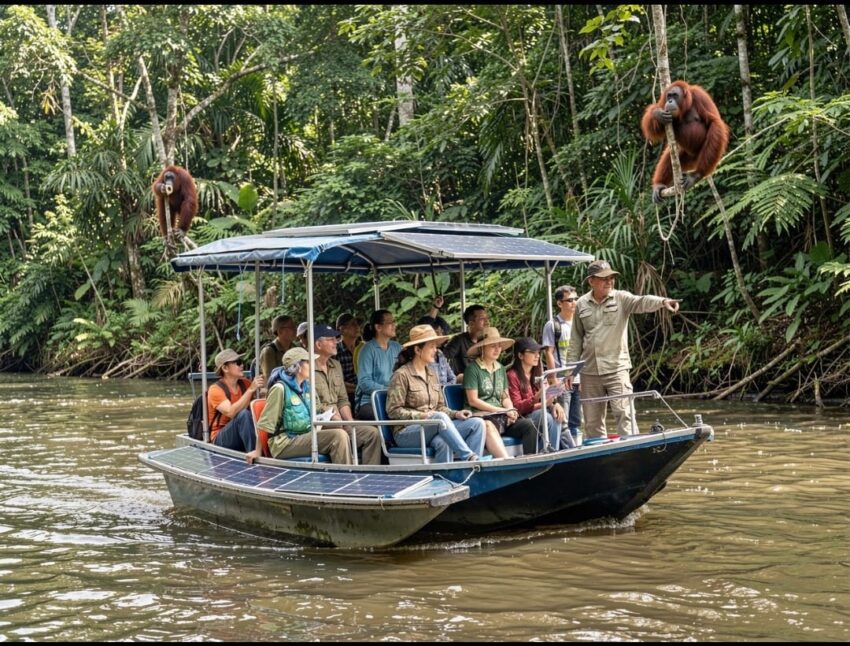
In recent years, China, Brunei, and South Korea have emerged as significant drivers of Sabah’s tourism boom, with eco-tourism initiatives along the Kinabatangan River offering a unique and sustainable alternative for travelers seeking to immerse themselves in nature. At the heart of this transformation is the Batu Puteh Sub-District Tourism Cooperative (KOPEL), a community-driven initiative that has brought about a revolutionary shift in how local villagers interact with the environment and the tourism industry. KOPEL’s innovative approach to eco-tourism has attracted an increasing number of international tourists, particularly from China, South Korea, and Japan, drawn to the region’s breathtaking wildlife, including pygmy elephants, orangutans, and proboscis monkeys. As eco-tourism becomes a central focus, global airlines like AirAsia, Scoot, and Malaysia Airlines have responded by ramping up their flight services, connecting travelers from major cities like Beijing, Seoul, and Tokyo directly to Sabah. With Sabah’s eco-tourism not only enhancing its environmental footprint but also providing much-needed income to local communities, this surge in interest from international markets is breathing new life into the region’s economy. KOPEL’s green economy model is proving that tourism can be both profitable and sustainable, ensuring that the wonders of the Kinabatangan River are preserved for future generations while benefiting the people who call this unique ecosystem home. As the world increasingly gravitates toward responsible travel, Sabah stands out as a model for how tourism can foster both environmental protection and economic growth, making it a must-visit destination for the eco-conscious traveler.
China, Brunei, South Korea, Japan, the UK, and Australia Boost Sabah’s Tourism as Eco-Tourism on Kinabatangan River Transforms Local Communities with KOPEL’s Green Economy!
Sabah, Malaysia, has long been a hidden gem in Southeast Asia, offering travelers a unique mix of natural beauty, wildlife, and culture. With the increasing global interest in sustainable travel, eco-tourism in Sabah is flourishing, and the Batu Puteh Sub-District Tourism Cooperative (KOPEL Bhd) is leading the charge in transforming the region’s economy through eco-tourism. As the popularity of Sabah grows, tourists from countries like China, Brunei, South Korea, Japan, the UK, and Australia are flocking to experience the magnificent Kinabatangan River and its surrounding natural wonders.
Eco-Tourism: The Catalyst for Sabah’s Tourism Growth
KOPEL’s eco-tourism initiative has had a significant impact on local communities and the tourism industry in Sabah. Established in 2003, KOPEL began as a small community-based cooperative with the aim of promoting sustainable tourism and wildlife conservation in the Kinabatangan River area. Over the years, KOPEL has grown into one of the most successful examples of community-driven eco-tourism in Malaysia. The cooperative’s model has not only generated income for local communities but also encouraged responsible travel that emphasizes environmental preservation.
For many years, villagers along the Kinabatangan River were passive observers of the tourist boats that passed through their waters. Today, they are the ones steering those boats, acting as guides and environmental stewards. Through KOPEL’s training programs, local youths have been given the opportunity to become the next generation of eco-tourism professionals, working as boat operators, tour guides, and conservation staff. The cooperative’s success has also brought recognition to the region, earning the village of Batu Puteh the title of “Best Tourism Village” by the United Nations World Tourism Organization in 2021.
As eco-tourism has gained traction, Sabah’s hospitality and airline industries have seen a notable boost. International airlines like AirAsia, Scoot, and Malaysia Airlines have responded to the demand by increasing flight frequencies to Sabah, making it easier for travelers from China, South Korea, and other countries to visit. These airlines now offer direct flights to Kota Kinabalu, Sabah’s main gateway, from major cities in Asia, including Beijing, Seoul, Tokyo, Singapore, and Brisbane.
China, Brunei, South Korea, Japan, the UK, and Australia Boost Sabah’s Tourism
With the rise of eco-tourism, Sabah has seen a surge in international visitors, particularly from China, Brunei, South Korea, Japan, the UK, and Australia. These countries have long been key markets for Malaysian tourism, and with the growing interest in sustainable travel, tourists from these regions are increasingly seeking eco-friendly travel experiences. The Kinabatangan River, renowned for its rich biodiversity, offers the perfect destination for nature lovers and adventure seekers.
The steady influx of travelers from China has made it one of Sabah’s largest source markets. Chinese tourists are attracted to the region’s unique wildlife, such as the pygmy elephants and orangutans, as well as the opportunity to engage in hands-on conservation activities. This demand has led to more airlines offering direct flights to Kota Kinabalu from Chinese cities like Beijing, Shanghai, and Guangzhou. The increased accessibility has made it easier for Chinese travelers to discover Sabah’s eco-tourism offerings.
Brunei is another significant contributor to Sabah’s tourism, with its proximity to the Malaysian state making it an attractive destination for Bruneians seeking a quick getaway. The close ties between Brunei and Malaysia have fostered strong tourism exchanges, and many Bruneians are eager to explore Sabah’s diverse wildlife and cultural heritage. KOPEL’s homestay programs, which allow tourists to experience rural life in Sabah, have proven popular among Bruneian visitors.
South Korean tourists are also drawn to Sabah for its eco-tourism and wildlife experiences. South Korea’s growing interest in sustainable travel aligns with KOPEL’s eco-friendly initiatives, and many South Korean travelers are looking to explore destinations that offer both adventure and conservation. Direct flights from Seoul to Kota Kinabalu have made it easier for South Korean visitors to access Sabah, contributing to the state’s increasing popularity.
Japan is another key market for Sabah’s eco-tourism sector. Japanese travelers, known for their appreciation of nature and wildlife, are particularly interested in Sabah’s rainforests and wildlife safaris. KOPEL’s river safari tours, which offer close encounters with animals such as the proboscis monkeys and hornbills, have been a major draw for Japanese tourists. With direct flights from Tokyo to Kota Kinabalu, Sabah is becoming an increasingly popular destination for Japanese eco-tourists.
The UK and Australia have also become important source markets for Sabah, with travelers from these countries seeking off-the-beaten-path experiences that combine adventure with conservation. The UK has a strong tradition of eco-tourism, and travelers are keen to explore Sabah’s natural beauty. Similarly, Australian tourists, with their love for nature and wildlife, are increasingly visiting Sabah to experience its diverse ecosystems. Malaysia Airlines, Scoot, and AirAsia all offer convenient flights from the UK and Australia to Kota Kinabalu, making it easier for travelers to visit Sabah and take part in its eco-tourism activities.
KOPEL’s Impact on Local Communities and the Hospitality Industry
KOPEL’s eco-tourism initiatives have had a profound impact on the local communities along the Kinabatangan River. By providing training and employment opportunities in the tourism industry, KOPEL has helped to lift many families out of poverty and has created a sustainable source of income for the community. The cooperative’s success has also contributed to a strong sense of environmental stewardship among the villagers, who now see the value of preserving their natural resources for future generations.
As KOPEL’s eco-tourism initiatives have gained global recognition, the hospitality industry in Sabah has also seen significant growth. New eco-lodges and resorts have sprung up along the Kinabatangan River to accommodate the increasing number of eco-tourists visiting the area. These establishments cater to travelers who want to experience the region’s natural beauty while minimizing their environmental impact. From comfortable homestays to luxurious riverfront lodges, Sabah’s hospitality sector offers a range of options to suit different budgets and preferences.
KOPEL’s homestay programs are particularly popular with international visitors, providing tourists with the chance to experience authentic local culture and contribute to the community’s economy. Many travelers are eager to support sustainable tourism practices by staying in locally-owned accommodations and participating in conservation activities. This model has helped to create a symbiotic relationship between tourism and conservation, ensuring that the economic benefits of tourism are shared with the local community while also protecting the region’s natural resources.
In addition to the growing number of eco-lodges, Sabah’s tourism infrastructure has been improving to cater to the rising demand. The Kota Kinabalu International Airport (KKIA), which serves as the main international gateway to Sabah, has undergone upgrades to accommodate the increasing number of flights and passengers. The airport now offers more international and domestic flights, making it easier for tourists to reach Sabah from various parts of the world. In addition to AirAsia and Malaysia Airlines, other international carriers like Scoot, Cebu Pacific, and Royal Brunei Airlines now operate regular flights to Sabah, further enhancing the region’s accessibility.
What Tourists Need to Know When Visiting Sabah
For travelers planning a visit to Sabah, there are a few key tips to keep in mind to ensure a smooth and enjoyable experience:
Flight Details: Direct flights from major cities like Beijing, Seoul, Tokyo, Brisbane, and London are available, making it easy to get to Kota Kinabalu. The airport is well-connected to both domestic and international destinations, so getting to Sabah from other parts of Malaysia is simple.
Best Time to Visit: The best time to visit Sabah is during the dry season, which runs from March to October. During this period, visitors can enjoy the region’s outdoor activities, such as river safaris and jungle trekking, without being affected by heavy rain.
Eco-Tourism Etiquette: When visiting Sabah’s eco-tourism attractions, it’s important to respect the environment and wildlife. Always follow the guidelines set by local guides, avoid disturbing animals, and dispose of trash responsibly.
Accommodation Options: Whether you prefer a luxurious riverfront lodge or a more rustic homestay, Sabah’s hospitality sector offers a range of accommodations to suit all tastes and budgets. KOPEL’s eco-lodges provide a unique opportunity to stay in eco-friendly, locally-owned accommodations while supporting sustainable tourism practices.
Wildlife Conservation: One of the main draws of Sabah is its incredible biodiversity. From pygmy elephants to orangutans, the region is home to a variety of rare and endangered species. Participating in wildlife monitoring and conservation activities through KOPEL is a great way to contribute to the protection of these animals.
Health and Safety: Travelers should ensure they have the necessary vaccinations before traveling to Sabah. Additionally, it’s recommended to carry insect repellent to protect against mosquito-borne diseases, especially in rural and forested areas.
Local Culture: Sabah is home to a rich cultural heritage, and visitors are encouraged to learn about the traditions and customs of the indigenous communities. Respect for local culture and customs is key to a rewarding travel experience.
China, Brunei, and South Korea are driving a surge in Sabah’s eco-tourism, with KOPEL’s community-based model along the Kinabatangan River transforming local livelihoods. As global airlines boost connections, this sustainable tourism movement is reshaping the region’s future.
Wrapping Up
Sabah’s eco-tourism sector, led by KOPEL, is a shining example of how sustainable tourism can benefit both local communities and the environment. With increasing interest from international travelers, particularly from China, Brunei, South Korea, Japan, the UK, and Australia, the region is poised to become one of the most sought-after eco-tourism destinations in Southeast Asia. Airlines like AirAsia, Malaysia Airlines, and Scoot are making it easier for tourists to access Sabah, while the hospitality sector continues to grow to meet the demand for eco-friendly accommodations. Whether you’re looking to explore Sabah’s wildlife, support local communities, or experience the region’s rich cultural heritage, Sabah offers something for every traveler seeking a sustainable and unforgettable adventure.
The post China joins Brunei, South Korea, Japan, the UK, and Australia to boost Sabah’s Tourism as Eco-Tourism on the Kinabatangan River Transforms Local Communities with KOPEL’s Green Economy! appeared first on Travel And Tour World.
Source: travelandtourworld.com

Sorry, the comment form is closed at this time.