


Colombo National Museum: A Timeless Journey Through Sri Lanka’s Heritage
Colombo National Museum: A Timeless Journey Through Sri Lanka’s Heritage
A Gateway Into Sri Lanka’s Cultural Legacy
In the busy streets of Colombo, where modern buildings rise beside colonial architecture, and the city moves at a fast pace, the Colombo National Museum offers a completely different experience—quiet, reflective, and deeply historical. Known officially as the National Museum of Colombo, this landmark is the largest and most important museum in Sri Lanka, housing some of the nation’s most treasured artifacts.
For travelers who want to understand Sri Lanka beyond its beaches and wildlife, the Colombo National Museum provides an essential cultural introduction. It is a place where centuries of royal history, religious tradition, colonial influence, and artistic achievement are preserved under one roof. Walking through its halls feels like stepping through time, offering visitors a rare opportunity to explore the story of the island from ancient kingdoms to the modern era.
Located in the heart of Colombo, this museum remains one of the most respected cultural institutions in South Asia and a must-visit destination for history enthusiasts, students, researchers, and curious tourists alike.
History and Geographical Location of the Colombo National Museum
A Museum Born in the Colonial Era
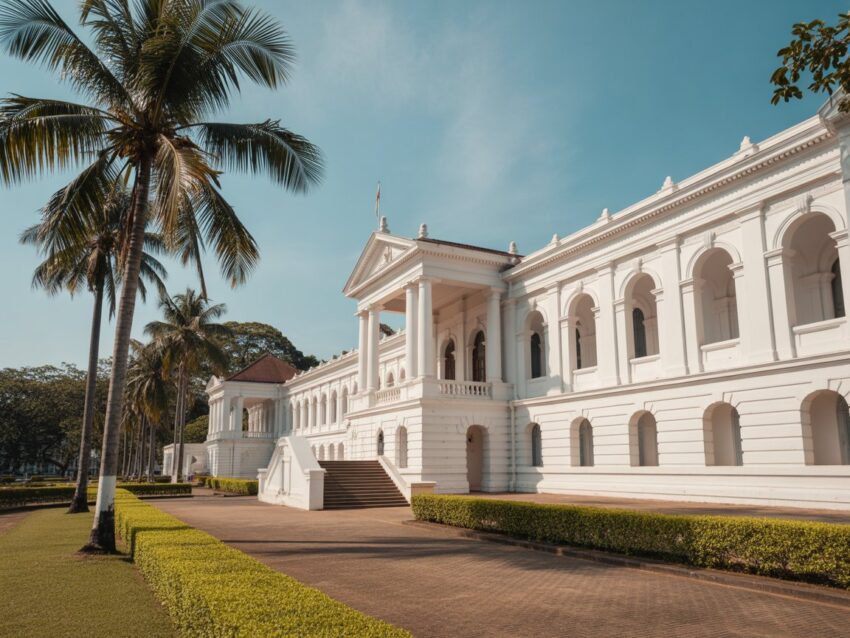
The Colombo National Museum was established in 1877 during the British colonial period. It was founded under the direction of Sir William Henry Gregory, who served as the British Governor of Ceylon (as Sri Lanka was then known). The museum was created to preserve and display the cultural and historical heritage of the island, reflecting the growing academic interest in archaeology, anthropology, and local history during the late 19th century.
The building itself is an architectural symbol of that era. Designed in a grand Italian-style structure with white columns, wide staircases, and spacious galleries, it was intended to represent prestige and permanence. Over time, the museum’s collection expanded significantly, becoming the primary national repository for artifacts of historical value.
Today, the museum is administered by the Department of National Museums and continues to play a vital role in protecting Sri Lanka’s national identity.
Geographical Location in Sri Lanka
The Colombo National Museum is located in Colombo 07, also known as Cinnamon Gardens, one of the city’s most well-known and prestigious neighborhoods. This area is famous for its leafy streets, government offices, embassies, and cultural institutions.
The museum sits near other key attractions such as Viharamahadevi Park, the Colombo Public Library, and several art galleries. Its central location makes it easily accessible for both international visitors and local travelers.
Being positioned in the capital city gives the museum a strategic importance—it is often the first major historical attraction visited by tourists arriving in Colombo, offering an educational foundation for the rest of their journey across Sri Lanka.
Why the Colombo National Museum Is Important for Global Tourism
Preserving a Unique Island Civilization
Sri Lanka’s history spans more than 2,500 years, shaped by ancient kingdoms, maritime trade routes, religious transformation, and colonial occupation. The Colombo National Museum serves as one of the most significant places where this long and complex history is preserved for the world to explore.
For global tourists, this museum provides context and depth. It helps visitors understand the significance of the country’s ancient cities, such as Anuradhapura and Polonnaruwa, as well as the cultural importance of Buddhism, royal dynasties, and traditional craftsmanship.
International tourism is increasingly driven by meaningful cultural experiences, and museums like this play a crucial role in making heritage accessible to travelers.
A Cultural Anchor in Colombo’s Tourism Landscape
Colombo is often considered a starting point for most Sri Lanka itineraries. While the city is known for shopping, dining, and modern hotels, the National Museum of Colombo adds a powerful cultural element to the capital’s tourism appeal.
It enhances Colombo’s reputation as more than a transit city, encouraging tourists to spend additional time exploring its history and institutions. This benefits the local economy, increases visitor engagement, and supports sustainable cultural tourism.
A Place of Academic and International Interest
The museum is also important on an international level because it attracts historians, archaeologists, and cultural researchers. Many artifacts housed here are rare and nationally significant, including royal regalia, ancient manuscripts, and sculptures from early Sri Lankan civilizations.
For global tourism, this academic value raises the museum’s prestige and positions Sri Lanka as an important destination for heritage exploration in Asia.
What to See Inside the Colombo National Museum
Royal Regalia and the Kandyan Collection
One of the museum’s most famous exhibits is the collection of royal regalia from the Kandyan Kingdom, the last independent kingdom of Sri Lanka before British rule. Visitors can view royal thrones, ceremonial weapons, jewelry, and traditional clothing once associated with Sri Lankan monarchs.
This section is particularly valuable because it provides insight into how royal power and tradition were expressed through art, symbols, and craftsmanship.
Ancient Sculptures and Religious Artifacts
The museum contains a remarkable range of stone sculptures, Buddha statues, Hindu carvings, and religious relics that represent centuries of artistic evolution. These exhibits highlight the deep influence of Buddhism and Hinduism on Sri Lankan identity.
Many tourists find this section especially impressive because it reflects how religion shaped architecture, daily life, and governance throughout the island’s history.
Historical Manuscripts and Traditional Literature
A major highlight is the museum’s display of palm-leaf manuscripts and early written texts. These documents offer a rare look into ancient Sri Lankan literature, medicine, astrology, and religious teaching.
The preservation of these manuscripts is significant not only for Sri Lanka but for world heritage, as they represent traditional knowledge systems that existed long before modern printing.
Colonial-Era Exhibits and Cultural Transition
Sri Lanka’s colonial past is represented through artifacts, photographs, and objects fromthe Portuguese, Dutch, and British periods. This section allows visitors to understand how foreign rule influenced architecture, trade, language, and administration.
For international tourists, this is often one of the most relatable parts of the museum, connecting Sri Lanka’s story to wider global history.
The Natural History Section
The museum also includes exhibits related to natural history, including fossils, animal specimens, and geological displays. While the cultural galleries remain the main attraction, the natural history section adds extra educational value for families and school visitors.
How to Reach the Colombo National Museum
Reaching from Bandaranaike International Airport
Bandaranaike International Airport is located approximately 30–35 kilometers from central Colombo. Tourists can reach the Colombo National Museum using:
Taxi services or private transfers
App-based ride services
Airport shuttle buses to Colombo city
Travel time typically ranges from 45 minutes to 1.5 hours, depending on traffic.
Reaching from Colombo Fort Railway Station
Colombo Fort is the city’s main railway hub and a common arrival point for travelers coming from Kandy, Galle, Jaffna, and other regions. From Colombo Fort Railway Station, the museum is reachable within 15–25 minutes by:
Tuk-tuk
Taxi
Local bus routes
Public Transport and City Access
The museum is located in a well-connected part of Colombo. Public buses regularly operate through nearby roads, and tuk-tuks are widely available throughout the city. Many tourists staying in Colombo’s central hotels can also reach the museum by walking or by a short ride.
Because it is located in Cinnamon Gardens, the surrounding streets are typically calmer and cleaner compared to more congested commercial districts.
Who Can Visit the Colombo National Museum?
A Suitable Destination for All Travelers
The Colombo National Museum is open to both local and international visitors, making it an inclusive and educational attraction for a wide audience. It is particularly ideal for:
History and culture enthusiasts
Families traveling with children
University students and researchers
School groups
Solo travelers seeking meaningful sightseeing
Tourists interested in archaeology and religion
Visitors exploring Colombo for the first time
Unlike many outdoor attractions, the museum is also a good choice for travelers who want an indoor activity, especially during rainy days or hot afternoons.
Accessibility and Visitor Experience
The museum provides a comfortable environment for walking and exploring at a slower pace. While certain areas may require stair access, the overall experience is suitable for most age groups. Visitors are encouraged to take their time, read descriptions carefully, and enjoy the calm atmosphere.
Photography rules may vary in specific sections, so tourists should follow signage and staff instructions.
Best Time to Visit the Colombo National Museum
Best Season for Tourists
Since the museum is an indoor attraction, it can be visited year-round. However, Colombo’s weather can influence overall travel comfort. The most favorable months for visiting Colombo are generally:
December to March
During this period, the city experiences relatively drier and more pleasant weather, making it easier to combine the museum with other outdoor attractions nearby.
Best Time of Day
The best time to visit the Colombo Museumin Sri Lanka is typically:
Morning hours (9:00 AM to 11:30 AM)
Morning visits are recommended because the museum is quieter, the galleries are cooler, and visitors can explore without crowds. This also allows travelers to plan nearby sightseeing in the afternoon.
Weekdays vs Weekends
Weekdays are generally calmer and more suitable for tourists who prefer a peaceful museum experience. Weekends may be busier due to local visitors and student groups. For photography enthusiasts and those who enjoy quiet exploration, weekday mornings are the ideal choice.
The Colombo National Museum’s Role in Sri Lanka’s Cultural Identity
A Symbol of National Pride
The Colombo National Museum is not only a tourist attraction but also a national symbol. It preserves artifacts that represent Sri Lanka’s identity, including royal treasures, sacred objects, and cultural artworks that might otherwise be lost to time.
For Sri Lankans, the museum reflects pride in their heritage. For tourists, it offers an authentic and respectful way to understand the island’s traditions and achievements.
Encouraging Cultural Tourism and Education
Cultural tourism is one of the most sustainable forms of global travel, as it promotes heritage preservation while supporting local institutions. Museums like this encourage travelers to learn, respect, and engage with local culture rather than simply consume scenic experiences.
This educational role strengthens Sri Lanka’s position as a global destination for heritage tourism, comparable to other culturally rich nations in Asia.
Nearby Attractions to Combine With Your Visit
Viharamahadevi Park
Located close to the museum, Viharamahadevi Park is Colombo’s largest public park and an ideal place to relax after exploring the museum galleries. It provides shaded walking paths, open lawns, and a calm atmosphere.
Colombo Public Library
The Colombo Public Library is another landmark nearby, known for its elegant architecture and peaceful reading spaces. Visitors interested in literature and cultural spaces often enjoy stopping here as part of a Cinnamon Gardens exploration.
Independence Square
Independence Square is a major national monument located a short drive away. It is a popular location for photography and evening walks, offering an excellent contrast to the museum’s historical exhibits.
Visitor Tips for the Colombo National Museum
What to Bring
Comfortable shoes for walking through galleries
A water bottle
A small notebook for history lovers or students
Camera (if permitted in certain areas)
Light clothing suitable for Colombo’s warm climate
Recommended Visit Duration
Most visitors spend around 1.5 to 3 hours exploring the museum properly. Those with a deeper interest in Sri Lankan history may spend even longer, especially if they take time to read exhibit descriptions.
Respectful Behavior
As the museum houses sacred and culturally significant artifacts, visitors are encouraged to maintain respectful behavior, avoid loud conversation, and follow staff guidance. This ensures a pleasant experience for everyone.
Why the Colombo National Museum Should Be on Your Colombo Itinerary
For travelers seeking a deeper understanding of Sri Lanka, the Colombo National Museum is one of the most rewarding attractions in the country. It provides a rare opportunity to explore ancient civilizations, royal history, religious traditions, and colonial transformation in one well-organized location.
While Sri Lanka is famous for its scenic landscapes and tropical coastline, the museum reminds visitors that the island’s greatest treasures are also cultural and historical. It connects the past with the present and helps tourists appreciate the complexity and richness of Sri Lankan identity.
For first-time visitors to Colombo, this museum is not simply a sightseeing stop—it is a foundation for understanding everything else the island has to offer.
A Meaningful Ending to a Cultural Exploration
The Colombo National Museum stands as one of Sri Lanka’s most valuable cultural institutions, offering travelers a powerful journey through the island’s past. From royal regalia and ancient sculptures to manuscripts that preserve centuries of wisdom, the museum captures the essence of Sri Lanka’s heritage with remarkable depth.
For global tourists, it is a place that transforms a trip into an educational and memorable experience. Whether you are a history enthusiast, a cultural explorer, or simply a traveler looking to understand Colombo beyond its modern skyline, the Colombo National Museum remains an essential destination—one that leaves visitors with a lasting appreciation of Sri Lanka’s remarkable story.
The post Colombo National Museum: A Timeless Journey Through Sri Lanka’s Heritage appeared first on Travel And Tour World.
Source: travelandtourworld.com

Sorry, the comment form is closed at this time.