


Cruise Tourism Hits Record €64.1 Billion Impact, Supporting 445,000 European Jobs
Cruise Tourism Hits Record €64.1 Billion Impact, Supporting 445,000 European Jobs
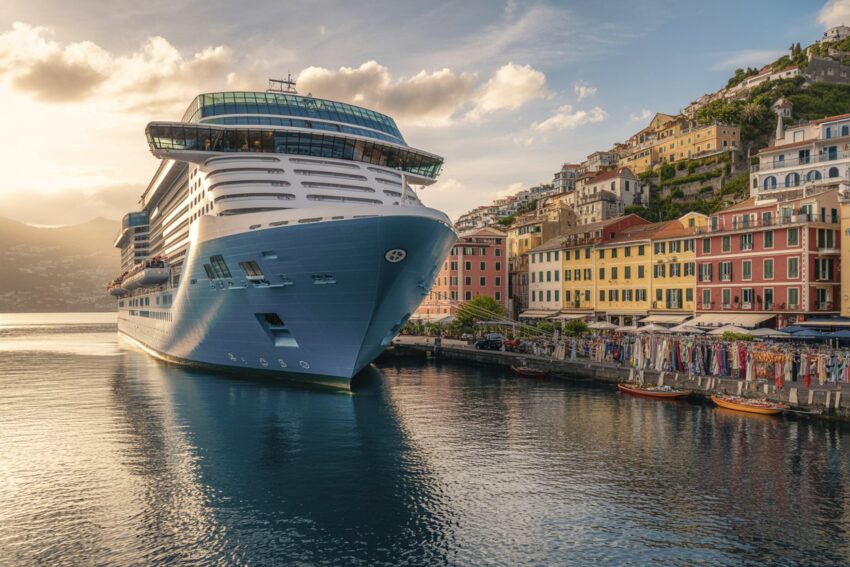
The gentle hum of a cruise ship docking in a Mediterranean port or a Baltic harbor is more than just the sound of a vacation beginning. It is the sound of an economic engine roar. According to the latest data released by the Cruise Lines International Association (CLIA) during its 2026 European Summit in Madeira, the cruise industry has reached a historic high, contributing a staggering €64.1 billion ($68.2 billion) to Europe’s economy in 2024 alone.
Perhaps the most human element of this financial surge is the employment it sustains. Today, cruise tourism supports 445,000 jobs across the continent. These aren’t just numbers on a spreadsheet; they represent families supported, small businesses thriving, and coastal communities revitalized by a steady stream of global travelers.
A Multi-Billion Euro Lifeline
The economic impact of cruising in Europe has seen a remarkable 16% increase compared to 2023. Of the total €64.1 billion generated, approximately €28 billion was a direct contribution to the European Gross Domestic Product (GDP).
Where does all this money go? It flows deep into the fabric of European industry. In 2024, direct cruise-related spending reached €31 billion. This included:
€14 billion spent on goods and services from European suppliers (from local farmers providing fresh produce to tech firms managing onboard systems).
€10 billion dedicated to the legendary European shipbuilding industry, which remains the global leader in constructing high-tech, sustainable cruise vessels.
Beyond the Port: The Human Impact
When we think of cruise jobs, we often picture the smiling cabin stewards or the captain on the bridge. While these roles are vital, the “cruise ecosystem” extends much further inland.
The 445,000 jobs supported by the industry include tour operators in remote Greek islands, lace-makers in Madeira, logistics coordinators in Rotterdam, and engineers in the shipyards of Italy, France, and Germany. For many island and maritime regions, cruising isn’t just a luxury—it’s a recurring, stable source of income that keeps local shops open during the “off-season” and provides young people with careers that don’t require them to leave their hometowns.
Balancing Growth with Sustainability
As the debate over “overtourism” continues in major European hubs, the cruise industry is positioning itself as a leader in managed, responsible travel. Unlike spontaneous land-based tourism, cruise arrivals are scheduled years in advance, allowing local authorities to manage flow and capacity effectively.
Nikos Mertzanidis, Executive Director for CLIA in Europe, points out that cruising accounts for only about 3% of global tourism. However, its economic footprint is disproportionately positive because it is geographically distributed. Cruises are increasingly promoting peripheral destinations—the hidden gems—and encouraging travel during the shoulder seasons. This helps take the pressure off “bucket list” cities while bringing much-needed revenue to rural coastal areas.
The Future is Green (and European)
The partnership between Europe and the cruise industry is a two-way street. Europe provides the world’s most sought-after destinations and the world’s best shipbuilders. In return, the cruise industry is investing billions into European-led environmental technology.
From ships that can “plug in” to shoreside electricity (SSE) to reduce emissions in port, to the development of sustainable marine fuels, the 445,000 people working in this sector are at the forefront of a maritime “green revolution.” This ensures that the breathtaking coastlines passengers come to see today will remain pristine for the generations of travelers—and workers—yet to come.
Why It Matters
While the figures—64 billion euros and nearly half a million jobs—are impressive, the real story lies in the resilience of coastal life. For a small business owner in a remote port, a cruise ship arrival represents more than just a customer; it represents the ability to maintain a traditional way of life in a modern global economy. By spreading wealth to “peripheral” destinations, the cruise industry acts as a bridge between the world’s travelers and Europe’s most authentic, often overlooked cultures.
The post Cruise Tourism Hits Record €64.1 Billion Impact, Supporting 445,000 European Jobs appeared first on Travel And Tour World.
Source: travelandtourworld.com


Sorry, the comment form is closed at this time.