


Cuba’s Tourism in Crisis as Jet Fuel Shortage Halts Flights, Closes Hotels, and Impacts Economy
Cuba’s Tourism in Crisis as Jet Fuel Shortage Halts Flights, Closes Hotels, and Impacts Economy
Cuba’s tourism industry, which once-thriving, is facing a severe crisis as the island struggles with a jet fuel shortage that has disrupted flights and hotel operations. Varadero, a popular tropical destination known for its crystal-clear waters and pristine beaches, has seen a significant drop in tourism following the government’s announcement on February 8 that the country is running out of jet fuel. With vital air travel halted and hotels shutting down, the effects on Cuba’s already struggling economy could be devastating.
Fuel Shortage Disrupts International Travel and Tourism
The fuel shortage has caused a ripple effect across the tourism sector, with airlines such as Air Canada, WestJet, and Transat suspending flights to Cuba. These disruptions have led to the cancellation of hundreds of flights, including a significant portion of those flying during the peak winter travel season. The impact is expected to slash visitor numbers by hundreds of thousands, further crippling the tourism industry, which has long been one of Cuba’s most important sources of income.
Russia, which also represents a major group of tourists visiting Cuba, has decided to halt flights to the island until the fuel shortage is resolved. Meanwhile, hotel chains, including the Spanish-owned NH Hotels and Melia, have started closing properties, consolidating guests into fewer accommodations. The closures are leaving visitors stranded and uncertain about their travel plans, creating an atmosphere of panic and confusion.
Uncertainty for Tourists and Local Workers
As Cuba’s tourism sector faces a sharp decline, tourists are increasingly worried about the impact on their vacations. Many have expressed concern about the possibility of being stranded due to the growing number of flight cancellations. The stress is palpable among visitors, with many trying to remain calm but unsure of their travel plans as the situation evolves.
The fuel shortage has left local workers, particularly those in the tourism industry, in a vulnerable position. Tour guides and others dependent on the influx of international visitors are finding themselves in a difficult spot, with business slowing drastically. The crisis has escalated into a national emergency, with the tourism industry at risk of collapsing entirely due to the fuel shortages and escalating geopolitical tensions. This uncertainty has created a sense of unease both for workers trying to maintain their livelihoods and for tourists struggling to navigate the disruptions to their travel plans.
Cuba’s Tourism Economy Under Threat
The tourism industry contributes significantly to Cuba’s economy, generating billions of dollars in foreign exchange. With the sharp decline in visitors, this critical revenue stream is drying up. The economic repercussions are exacerbated by the ongoing U.S. sanctions, which have reduced the flow of oil and restricted trade with key partners, such as Venezuela. The combined effect of the fuel shortage and political isolation is threatening to push Cuba’s fragile economy into an even deeper crisis.
Economists warned that a total collapse of the tourism sector would create an unsustainable situation for the Cuban economy. They emphasized that tourism, along with remittances from abroad and the export of Cuban doctors, represents the country’s primary sources of hard currency. Without these critical revenue streams, Cuba’s economy would struggle to survive, especially as its ability to import essential goods and services becomes even more limited.
Government Response and Contingency Plans
In response to the crisis, the Cuban government has announced a contingency plan aimed at preserving essential services such as emergency care and primary education. Initially, officials assured the public that tourism and international flights would not be affected. However, just days later, the government was forced to admit that Cuba was rapidly running out of fuel, and international flights would soon be disrupted.
Despite efforts to stabilize the situation, many international airlines have been forced to alter their flight patterns or scale back operations to cope with the fuel shortage. The lack of fuel has severely limited the island’s ability to maintain its vital transportation networks, which, in turn, has disrupted tourism, one of the most important industries in Cuba.
Impact on Varadero: A Tourism Hotspot Struggles
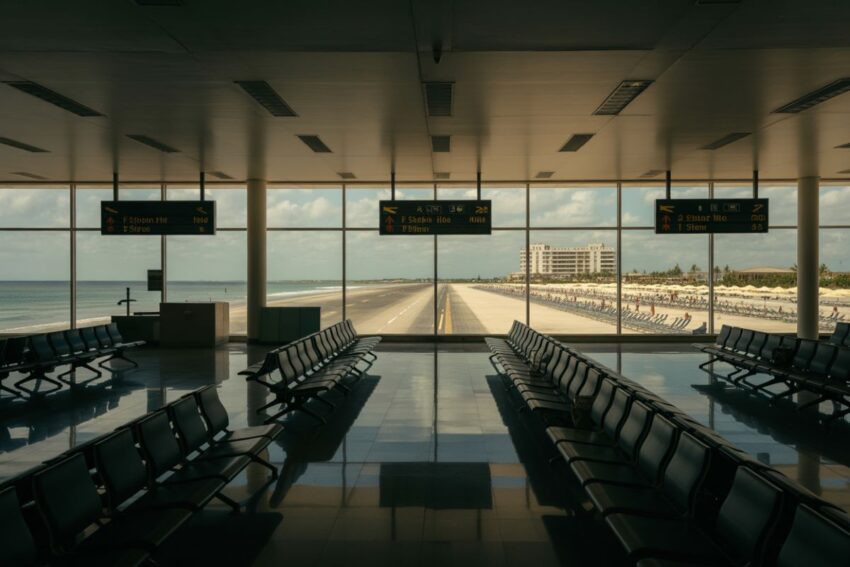
Varadero, a once-bustling resort town on Cuba’s northern coast, is now facing a dramatic decline in tourism. The beach, which was once lined with sunbathers, is now less crowded as tourists cancel or alter their plans. Although some trinket shops and restaurants remain open, several hotels have had to close, further emphasizing the extent of the disruption.
One of the hotels affected is the Domina Marina resort, a popular destination for international tourists. The closure of this hotel, along with others on the peninsula, reflects the growing uncertainty surrounding Cuba’s tourism prospects. As the fuel crisis deepens, more hotels and services are expected to shut down, leaving both tourists and local workers in limbo.
Local Tour Guides and Workers Bear the Brunt
The ongoing fuel shortage is having a severe impact on local workers, particularly those in the tourism sector. Many tour guides, who once relied on a steady stream of visitors to destinations like Varadero, are facing sharp declines in their earnings. With bookings canceled and uncertainty hanging over future travel plans, workers are left to navigate an unpredictable situation.
This fuel crisis has underscored the fragility of Cuba’s economy, which depends heavily on tourism as a primary source of income. As the industry reels from the disruption, local businesses and workers are left grappling with an unclear future, uncertain when or if normalcy will return.
Conclusion: A Dark Future for Cuba’s Tourism Industry
Cuba’s tourism sector is facing an existential crisis as the country grapples with a severe jet fuel shortage, compounded by ongoing political and economic pressures. The suspension of flights, the closure of hotels, and the uncertainty surrounding future travel have left both tourists and locals in a state of panic. With tourism being a crucial pillar of Cuba’s economy, the collapse of this industry could push the nation further into economic instability. As the government scrambles to manage the crisis, the future of Cuba’s tourism industry remains uncertain, and its recovery may depend on the resolution of both domestic and international challenges.
The post Cuba’s Tourism in Crisis as Jet Fuel Shortage Halts Flights, Closes Hotels, and Impacts Economy appeared first on Travel And Tour World.
Source: travelandtourworld.com



Sorry, the comment form is closed at this time.