


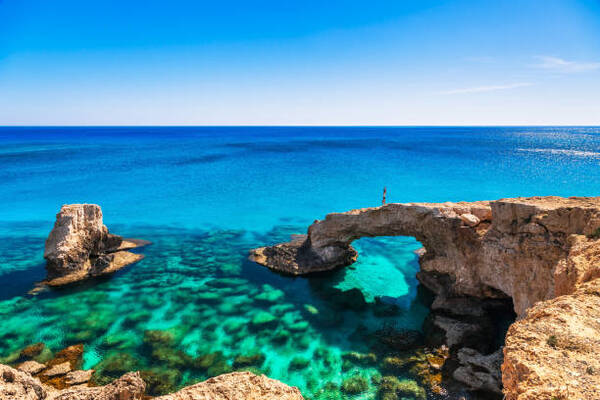
Cyprus Tourism Soars to New Heights in 2025 with Four Point Five Million Visitors, Fueling Unprecedented Economic Growth Amidst Rising Concerns Over Overtourism and Infrastructure Strain
Cyprus Tourism Soars to New Heights in 2025 with Four Point Five Million Visitors, Fueling Unprecedented Economic Growth Amidst Rising Concerns Over Overtourism and Infrastructure Strain
Cyprus experienced a landmark year in 2025, welcoming 4.5 million visitors and generating €3.6 billion in tourism revenue, marking a significant boost to its economy. This surge highlights the island’s growing appeal and successful diversification of tourism markets. However, the rapid increase in visitor numbers also raises concerns about overtourism and the pressure on infrastructure and resources, particularly during peak seasons. As Cyprus capitalizes on its tourism success, it faces the challenge of ensuring sustainable growth while managing seasonal strain and market dependency.
Cyprus has experienced remarkable growth in its tourism sector in 2025, but the progress comes with challenges that raise concerns about overtourism and sustainability. According to a recent report, the island welcomed a record number of visitors and recorded substantial revenue increases, underscoring both the success and risks of the tourism boom.
In 2025, Cyprus saw a 12.2% increase in tourist arrivals, reaching a total of 4.5 million visitors, up from 4 million in 2024. This uptick represents a clear upward trend in the country’s tourism sector, fueled by growing demand and a boost in real income. However, while the volume of visitors continued to rise, the key driver behind the growth was an increase in spending per visitor, which helped Cyprus surpass expectations and inflationary pressures.
Tourism revenue also saw impressive gains. From January to November 2025, total tourism receipts reached €3.6 billion, reflecting a 15.3% year-on-year increase. This surge in income represents a meaningful uplift in the tourism-driven economy, with higher spending playing a pivotal role in the country’s growth trajectory. Expenditure per person saw a 4.6% rise, while spending per day surged by 9.2%, indicating a shift toward higher-value tourism. This signals that Cyprus is attracting visitors who are willing to spend more, contributing to the strengthening of its broader service sector.
The seasonal pattern of arrivals mirrored past trends, with peak numbers occurring during the summer months. However, the total number of visitors remained higher than in previous years, suggesting that Cyprus’ tourism sector is growing beyond the traditional high season. This extended high season is helping to support employment across various industries, including hospitality, transport, and retail, while also boosting fiscal receipts and corporate earnings.
One of the most notable developments in 2025 was the increased diversification of source markets. Traditionally, the United Kingdom has been Cyprus’ largest source of tourists, but this share has slightly decreased. On the other hand, Israel’s contribution to tourist arrivals has grown significantly, as has Germany’s, although to a lesser extent. Other European nations, including Italy, the Czech Republic, the Netherlands, Austria, and Poland, also saw double-digit increases in visitors, contributing to the diversification of the country’s tourism base. This shift helps Cyprus reduce its reliance on a few markets, which can mitigate risks associated with geopolitical or economic instability in any one country.
The year also saw improvements in air connectivity, with flight volumes to Cyprus rising across all quarters when compared to pre-2019 levels. Airlines expanded their capacities, routes, and frequencies, which, in turn, supported demand beyond the peak summer months. This structural upgrade in accessibility helps to smooth out the typical fluctuations seen in Cyprus’ tourism season, reducing the strain on infrastructure and services during the high season and spreading visitor numbers more evenly throughout the year.
Despite these positive developments, the tourism sector faces several structural challenges that could undermine long-term sustainability. The European Commission has introduced the EU Tourism Dashboard, a tool designed to monitor tourism intensity, seasonality, and the concentration of source markets. Cyprus is highlighted as a country with high tourism intensity, meaning that the number of nights spent by tourists is disproportionately high compared to the size of the resident population. This intensity is a key indicator of potential overtourism, which could result in excessive strain on local infrastructure, natural resources, and communities.
The island’s tourism sector remains highly dependent on a narrow set of source markets, which exposes Cyprus to external risks such as geopolitical instability or changes in consumer preferences. Cyprus’ vulnerability to fluctuations in demand from key markets, such as the UK and Israel, means that a downturn in these countries could have a significant impact on the island’s tourism income.
Moreover, seasonality continues to be a significant issue. Cyprus’ peak months put considerable pressure on its infrastructure, housing market, and workforce, leading to overcrowding and increased costs of living for residents. The pressure on natural resources, particularly water, also intensifies during these months, contributing to higher pollution levels. These seasonal strains underline the importance of sustainable tourism practices that can help to reduce the environmental impact of tourism and create a more balanced flow of visitors throughout the year.
In order to mitigate these risks, experts suggest that Cyprus must focus on targeted investments, further product upgrades, and the continued diversification of its tourism markets. By promoting a wider range of tourism offerings, such as eco-tourism and off-season activities, the island can encourage year-round visitation and reduce the reliance on a few key source countries. Additionally, improving the quality of tourism experiences, alongside infrastructure development, could help ensure that the sector remains resilient in the face of external challenges.
The rapid growth of Cyprus’ tourism sector in 2025 highlights both the success of its tourism policies and the potential risks associated with overtourism. While the country’s achievements are impressive, the pressure on its infrastructure, natural resources, and local communities cannot be ignored. Addressing these challenges through sustainable tourism strategies and diversification of both supply and demand will be critical to ensuring that Cyprus’ tourism industry continues to thrive in the coming years.
The post Cyprus Tourism Soars to New Heights in 2025 with Four Point Five Million Visitors, Fueling Unprecedented Economic Growth Amidst Rising Concerns Over Overtourism and Infrastructure Strain appeared first on Travel And Tour World.
Source: travelandtourworld.com



Sorry, the comment form is closed at this time.