


Discover the Living History of Yogyakarta: A Guide to Indonesia’s Premier Cultural Heritage Destination
Discover the Living History of Yogyakarta: A Guide to Indonesia’s Premier Cultural Heritage Destination
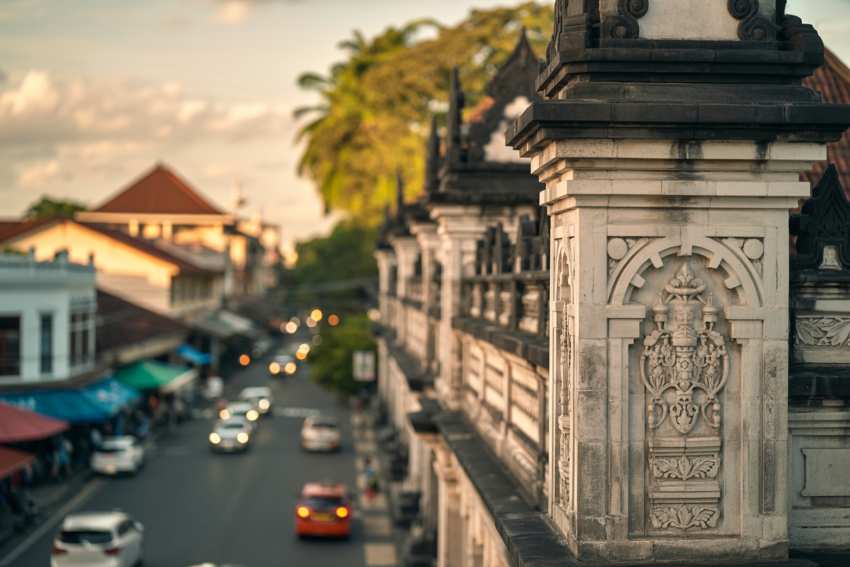
The Special Region of Yogyakarta (DIY) is long regarded as the beating heart of Indonesian civilisation. As of early 2026, this province continues to stand out with a remarkably diverse and meticulously preserved collection of historical assets. According to recent data compiled by the Yogyakarta Special Region Cultural Office, the region currently houses 371 cultural heritage objects, 613 buildings, 186 structures, and 89 unique sites. Furthermore, 17 specific areas have been officially designated as cultural heritage zones, resulting in a dense tapestry of history woven throughout the city and its surrounding highlands.
A National Leader in Architectural Preservation
Within the expansive category of cultural heritage buildings, 219 items have been catalogued, ranging from historic educational institutions and public service facilities to storied private residences. A significant milestone was reached in late 2025 when 28 of these locations were elevated to nationally ranked status. This achievement represents the highest concentration of national-level heritage sites in Indonesia. This prestigious ranking is not merely a title; it reflects a rigorous standard of authenticity and historical significance that sets Yogyakarta apart as a premier destination for travellers seeking depth and cultural immersion.
Balancing Modernity and Antiquity
The preservation of these thousands of objects is currently being managed amidst the pressures of rapid urban expansion. A sophisticated system of supervision and protection has been implemented to ensure that development does not erode the province’s historical soul. The challenge of maintaining these assets in an evolving urban landscape is addressed through a multi-layered strategy. Rather than focusing solely on the quantity of protected items, the primary objective is the maintenance of core values and scientific authenticity. By ensuring that these sites remain true to their original forms, the region provides an invaluable resource for both global researchers and curious travellers.
Safeguarding the Treasures of Sonobudoyo
Extraordinary measures are taken to protect movable artefacts, particularly those housed within the renowned Sonobudoyo Museum. As the institution holding the second-largest collection in Indonesia—surpassed only by the National Museum in Jakarta—Sonobudoyo is treated with heightened security protocols. Visitors to the museum are presented with an array of statues and historical artefacts that are shielded by advanced protection systems. The ongoing pursuit of official status for hundreds of additional items in the collection ensures that the legacy of these artefacts is legally and physically secured for future generations.
The Technical Rigor of Conservation
The process through which cultural heritage is preserved in Yogyakarta is governed by a series of strictly defined stages. Every action, whether it be rehabilitation, revitalization, or routine maintenance, is preceded by comprehensive feasibility studies. These studies encompass academic, technical, and administrative dimensions to ensure that any physical intervention is both accountable and legally compliant. By adhering to these frameworks, the integrity of historic buildings is maintained against the wear of time and the elements, ensuring that the visual narrative of the city remains unbroken.
Community-Led Preservation Efforts
While the government provides the legal infrastructure and technical expertise, the responsibility for preservation is shared with the local population. A significant majority of the historic buildings in the Special Region of Yogyakarta are actually under private ownership. Consequently, the active participation of the general public is considered vital. Heritage building owners are encouraged to maintain their properties in a manner that preserves their cultural value without compromising their functional roles in daily life. This synergy between the state and the citizenry ensures that Yogyakarta remains a “living museum” rather than a static relic of the past.
Expert Oversight and Field Monitoring
To facilitate continuous monitoring and assistance, Cultural Heritage Expert Teams (TACB) have been deployed across various districts and cities. These teams serve as the ultimate measure for field-level control, providing expert guidance to owners and local authorities. Their presence ensures that any changes to the landscape are monitored in real time, preventing the accidental loss of historical nuances. This decentralized approach allows for a more nuanced management of heritage, catering to the specific needs of different neighbourhoods and rural sites.
Highlights of the National Heritage Designation
The recent designation of 28 National Cultural Heritage Sites in December 2025 highlighted several landmarks that are essential for any travel itinerary. Among these is the Sonobudoyo Museum’s Thomas Karsten Building, an architectural masterpiece in its own right. Furthermore, specific artefacts such as the Vajrapani, Vajraraksa, Vajraloka, and Vinayaka statues have been granted individual national status. Notable educational and public buildings, including Yogyakarta State Senior High School 3, Dr “YAP” Hospital, and the Yogyakarta Regional People’s Representative Council (DPRD) Building, are also recognized for their roles in the nation’s social and political evolution.
Sites of Revolutionary and Royal Significance
The historical scope of Yogyakarta extends far beyond the city centre. The Ambarukmo Recreation Centre and the location of the 1959 Colombo Plan Conference are notable for their diplomatic importance. Furthermore, the sites of the 1948 Trilateral Meetings in Kaliurang serve as reminders of Indonesia’s struggle for independence. For those interested in the region’s spiritual and royal history, the Tombs of the Kings of Islamic Mataram in Imogiri are still one of the country’s most important landmarks. These sites, now designated as national heritage sites, provide visitors with a deep connection to the pivotal moments that shaped modern Indonesia.
The post Discover the Living History of Yogyakarta: A Guide to Indonesia’s Premier Cultural Heritage Destination appeared first on Travel And Tour World.
Source: travelandtourworld.com


Sorry, the comment form is closed at this time.