


Discover the North Atlantic and Arctic Like Never Before: How the UK Carrier Strike Group Deployment is Redefining High-Latitude Travel Experiences
Discover the North Atlantic and Arctic Like Never Before: How the UK Carrier Strike Group Deployment is Redefining High-Latitude Travel Experiences
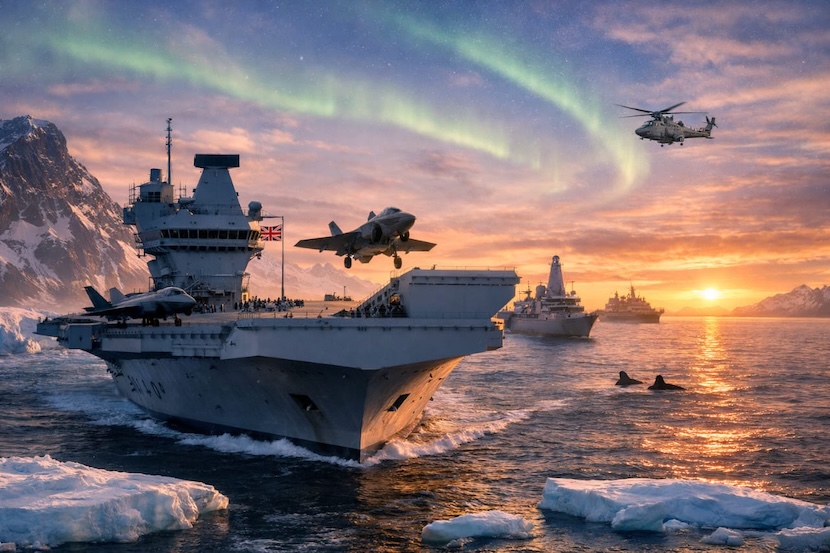
The recent UK Carrier Strike Group deployment across the North Atlantic and Arctic has sparked global interest far beyond defence circles. While the mission focuses on maritime security and international cooperation, it also shines a powerful spotlight on one of the world’s most dramatic and lesser-explored travel regions. For travellers, cruise operators, and adventure tourism planners, this deployment highlights sea routes that combine raw natural beauty, historical significance, and growing accessibility.
The movement of a large naval group through these waters reinforces the importance of the North Atlantic and High North as active, connected regions rather than distant, frozen frontiers. From a tourism perspective, it signals renewed global attention on polar routes that are increasingly drawing explorers, photographers, and expedition travellers.
North Atlantic Sea Routes Gain New Visibility Through Global Maritime Activity
The North Atlantic has long been a vital ocean corridor linking Europe, North America, and the Arctic. The UK Carrier Strike Group deployment passes through waters already familiar to seasoned sailors and expedition cruise companies. However, such a high-profile maritime movement draws fresh attention to these routes, reminding the travel industry of their strategic and experiential value.
For travellers, the North Atlantic represents vast open seas, dramatic skies, and a strong sense of journey. Cruise tourism in this region has grown steadily in recent years, particularly among travellers seeking experiences beyond traditional beach or city destinations. The visibility created by this deployment supports the idea that these waters are active, navigable, and increasingly relevant to global travel planning.
The Arctic Emerges as a Destination of Curiosity and Discovery
As the deployment moves further north, it places the Arctic firmly in the global spotlight. The Arctic has become one of the fastest-growing interest areas for adventure tourism, driven by travellers seeking ice landscapes, wildlife encounters, and unique light conditions such as the midnight sun.
From a travel perspective, the Arctic is no longer viewed only as a scientific or military zone. It is now recognised as a destination for carefully managed tourism, including small-ship cruises, educational voyages, and photography expeditions. Increased maritime activity highlights improved navigation capabilities and reinforces confidence in regulated travel to these remote regions.
Naval Presence Highlights Safety and Accessibility for Remote Travel
For many travellers, safety is a key concern when considering remote destinations. The presence of organised maritime operations across the North Atlantic and Arctic indirectly reassures the tourism sector. It demonstrates that these waters are monitored, mapped, and supported by international cooperation.
This reassurance is particularly valuable for cruise operators planning Arctic itineraries. It supports the growth of responsible tourism by encouraging structured routes, emergency preparedness, and collaboration between nations operating in the region. For travellers, it translates into greater confidence when booking voyages to polar destinations.
Cultural and Scenic Opportunities Along High-Latitude Routes
Beyond the ocean itself, the deployment draws attention to the coastal cultures and landscapes of northern regions. Areas bordering these routes are known for dramatic coastlines, fishing communities, and deep maritime traditions. Travellers exploring similar paths encounter a blend of modern infrastructure and ancient ways of life shaped by the sea.
These regions offer experiences that appeal to slow travellers and cultural explorers, including local cuisine, storytelling traditions, and connections to maritime heritage. Increased global awareness supports tourism development that benefits local communities while preserving their unique character.
Impact on Expedition Cruises and Niche Tourism Markets
The growing interest generated by high-profile maritime movements often influences travel trends. Expedition cruise operators closely observe such developments when designing future routes. The North Atlantic and Arctic are already popular among niche travel markets, including wildlife enthusiasts, history lovers, and climate-conscious travellers.
This deployment reinforces the idea that polar travel is not only possible but increasingly relevant. It encourages investment in specialised vessels, trained guides, and sustainable tourism practices. For travellers, it expands the range of options available for meaningful and educational journeys.
A New Perspective on Travel at the Edge of the Map
While the UK Carrier Strike Group deployment serves a strategic purpose, it also reshapes how the world views northern ocean travel. It reminds travellers that some of the most compelling journeys happen far from crowded destinations, in places where nature dominates and human presence is carefully managed.
For the global travel and tourism industry, this moment highlights the growing appeal of high-latitude exploration. The North Atlantic and Arctic are no longer seen as distant or inaccessible. Instead, they are emerging as destinations of curiosity, resilience, and wonder—inviting travellers to experience the world from a broader, more adventurous perspective.
The post Discover the North Atlantic and Arctic Like Never Before: How the UK Carrier Strike Group Deployment is Redefining High-Latitude Travel Experiences appeared first on Travel And Tour World.
Source: travelandtourworld.com



Sorry, the comment form is closed at this time.