


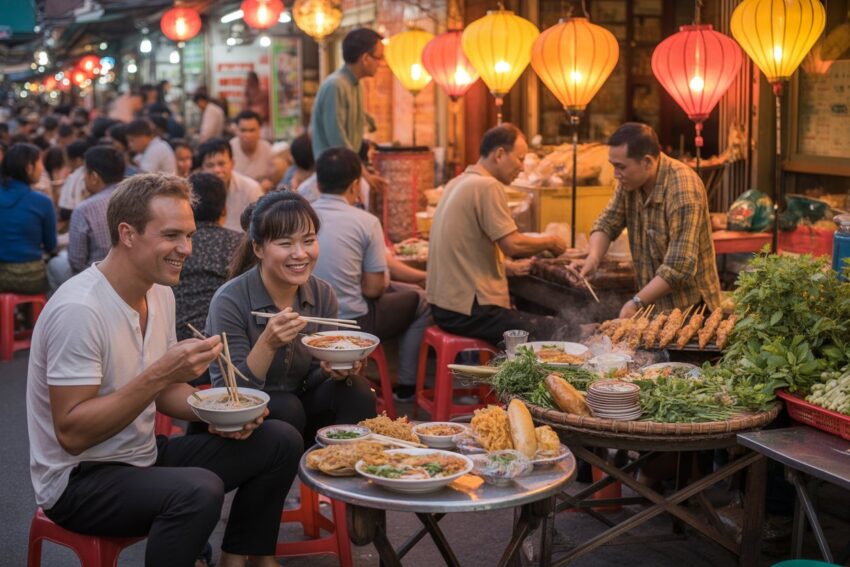
Discover Why Vietnam is Now Turning Its Delicious Cuisine into a Must-Visit Travel Experience for Global Travellers
Discover Why Vietnam is Now Turning Its Delicious Cuisine into a Must-Visit Travel Experience for Global Travellers
Vietnam has embarked on a bold new initiative to elevate its culinary heritage as a core travel attraction, placing food at the heart of its national tourism strategy. Recognizing that food is a powerful driver of global travel trends, the Vietnamese government is aiming to position the country’s cuisine as a key reason why travellers from around the world should visit. With rich, diverse flavors, regional specialties, and world-renowned dishes like Pho and Bánh Mì, Vietnam is transforming its culinary offerings into a major tourism product.
The Growing Appeal of Culinary Tourism
The Vietnamese government’s decision to focus on culinary tourism comes at a time when food is increasingly influencing travel decisions. Global research has shown that 80% of international travellers choose their destinations based on food experiences. The growing demand for food-related travel means that Vietnam’s culinary diversity is a valuable asset that can attract more tourists, extend the length of stays, and increase spending. Food tourism is now an essential part of the country’s tourism development plan, with the government aiming to make it a central component of Vietnam’s global tourism identity.
This strategy is designed to offer tourists more than just the beauty of Vietnam’s landscapes and cultural sites. It provides an immersive experience where food is not just an afterthought but a central reason for visiting. With an emphasis on its regional cuisine, Vietnam hopes to appeal to travellers eager to discover authentic local flavours and explore the stories behind every dish.
How Vietnam is Showcasing Its Food to Travellers
The Vietnamese government is actively promoting culinary tourism routes that lead visitors on a gastronomic journey across the country. These routes will highlight regional specialties such as Hanoi’s Pho, Ho Chi Minh City’s Bánh Mì, and the spicy dishes from central Vietnam like Bún Bò Huế. The goal is to ensure travellers have a chance to explore Vietnam’s diverse food offerings in their authentic settings.
In addition to food trails, digital resources like interactive food maps and online guides are being developed to make it easier for travellers to plan food-centric trips. By using technology, the government hopes to help tourists find hidden culinary gems and discover the wide variety of local dishes that make Vietnam a top food destination.
Regional Food Diversity as a Key Tourism Draw
One of the key elements of Vietnam’s strategy is promoting its regional food diversity. Each region of Vietnam has its own distinct food culture shaped by local ingredients, climate, and history. The northern part of the country is known for its light and aromatic soups, while the central region offers bold, spicy flavors. The south is famous for its sweet and savory dishes, such as Cơm Tấm and Bánh Xèo.
The government recognizes that this regional diversity allows Vietnam to cater to different tastes and preferences, making it an attractive destination for food lovers around the world. By promoting the varied cuisines of each region, Vietnam seeks to engage travellers from all walks of life, encouraging them to explore new areas beyond the well-trodden tourist paths.
Culinary Festivals and Events to Engage Travellers
In its efforts to draw more international tourists, the Vietnamese government is also focusing on food festivals and culinary events. These events provide a platform for travellers to not only enjoy the country’s best-known dishes but also to engage with local food culture and traditions. Culinary festivals will allow travellers to experience the diversity of Vietnamese cuisine, learn about traditional cooking methods, and interact with local food artisans.
Such events are also part of a broader strategy to promote Vietnam’s rich culinary heritage, create more travel opportunities, and enhance the overall visitor experience. By hosting food festivals and culinary celebrations, the government hopes to attract both domestic and international tourists, generating economic benefits for local communities.
Strengthening Culinary Skills to Enhance Travel Experiences
As part of its initiative to position food at the core of Vietnam’s tourism, the government is investing in culinary education and training programs. These programs are designed to improve the quality of food service across the country, ensuring that travellers enjoy high-quality, authentic dining experiences. By investing in professional development for chefs, restaurant owners, and food vendors, Vietnam aims to elevate its culinary reputation globally.
At the same time, the government is promoting the recognition of local food artisans, including chefs who specialize in traditional Vietnamese dishes. This recognition not only supports the preservation of culinary traditions but also strengthens Vietnam’s position as a global leader in food tourism.
A Sustainable Future for Culinary Tourism in Vietnam
In addition to economic benefits, the government’s food tourism strategy is aligned with Vietnam’s goals for sustainable tourism. By promoting the use of local ingredients and traditional cooking practices, the government is encouraging environmentally responsible food production that supports both the tourism industry and local farmers. Culinary tourism helps to ensure that the growth of the tourism sector is sustainable and contributes to the long-term preservation of the country’s cultural heritage.
The expansion of food tourism is also expected to provide new income opportunities for local communities, particularly in rural areas where food production plays a key role in the local economy. By drawing travellers to these regions, the government aims to create more equitable growth, reducing the pressure on major cities while boosting the local economy.
Conclusion: A Culinary Destination for Global Travellers
Vietnam’s decision to make cuisine a core tourism product represents a forward-thinking strategy that aligns with global travel trends. By focusing on its culinary heritage, the government is creating a unique travel identity for the country, ensuring that travellers have a compelling reason to visit beyond traditional sightseeing. With its diverse food offerings, regional specialties, and commitment to high-quality culinary experiences, Vietnam is poised to become a global food tourism destination.
As the Vietnamese government continues to promote culinary tourism through regional food trails, festivals, and professional training, it is setting the stage for a vibrant and sustainable tourism industry that highlights the best of Vietnamese food and culture. For travellers seeking immersive, authentic experiences, Vietnam is becoming a must-visit destination for food lovers around the world.
The post Discover Why Vietnam is Now Turning Its Delicious Cuisine into a Must-Visit Travel Experience for Global Travellers appeared first on Travel And Tour World.
Source: travelandtourworld.com



Sorry, the comment form is closed at this time.