


Dubai, Dammam, Abu Dhabi Lead Aroya Cruises Maiden Arabian Gulf Season Boosting Tourism Surge: What You Need to Know
Dubai, Dammam, Abu Dhabi Lead Aroya Cruises Maiden Arabian Gulf Season Boosting Tourism Surge: What You Need to Know
Dubai, Dammam, Abu Dhabi, Doha, Muscat, and Khasab spotlight Aroya Cruises maiden Arabian Gulf season, transforming regional tourism landscapes. This launch by Saudi Arabia’s flagship cruise operator signals a pivotal shift in maritime tourism, aligning with national strategies to diversify economies and attract global visitors. The initiative promises substantial impacts on tourism by increasing port traffic, extending visitor stays, and fostering cross-border collaborations.
Maiden Season Launch
Aroya Cruises, under Cruise Saudi backed by Public Investment Fund, commenced operations from February 21 to May 8, 2026, in the Arabian Gulf. Voyages feature seven-night itineraries starting from Dubai, calling at Khasab, Muscat, Abu Dhabi, Doha, and ending at Sir Bani Yas Island. Subsequent sailings reposition to Dammam, enabling Saudi ports to host extended Gulf explorations.
This deployment marks the first sustained Gulf program for a homegrown Arabian brand, previously focused on Red Sea routes. Tourism authorities anticipate heightened demand as itineraries blend established hubs like Dubai and Abu Dhabi with emerging stops, promoting diverse cultural immersions. The strategy elevates Gulf tourism by encouraging repeat visits and integrating lesser-served destinations into mainstream cruise paths.
Key Destinations Highlighted
Dubai serves as initial homeport with roundtrip week-long cruises until mid-March 2026, leveraging its world-class infrastructure. Dammam assumes homeport duties afterward, spotlighting Saudi eastern coast gems for inbound tourism flows. Abu Dhabi enhances prestige through frequent calls, strengthening UAE-Saudi tourism corridors.
Doha and Muscat contribute vibrant port experiences, with Oman’s Ministry of Heritage and Tourism noting boosted stays via historic landmarks and natural sites. Khasab adds rugged Musandam landscapes, diversifying offerings beyond urban centers. These ports collectively amplify tourism impacts by interconnecting economies and showcasing shared heritage.
Tourism Impact Analysis
The season injects vitality into Arabian Gulf tourism, projecting increased passenger numbers and onshore spending across involved nations. Regional alliances like Cruise Arabia, expanded with Saudi Arabia and Qatar, unify marketing and infrastructure to position the Gulf as a sustainable cruise hub. This cooperation drives economic diversification, aligning with Saudi Vision 2030 pillars.
Tourism growth manifests through elevated hotel occupancies, local business patronage, and job creation in maritime sectors. Government frameworks ensure regulated expansion, prioritizing environmental safeguards and service standards, as seen in Saudi Red Sea Authority guidelines extended to Gulf operations. Overall, Aroya Cruises catalyzes a tourism multiplier effect, interconnecting ports for seamless visitor journeys.
Vessel and Experience Features
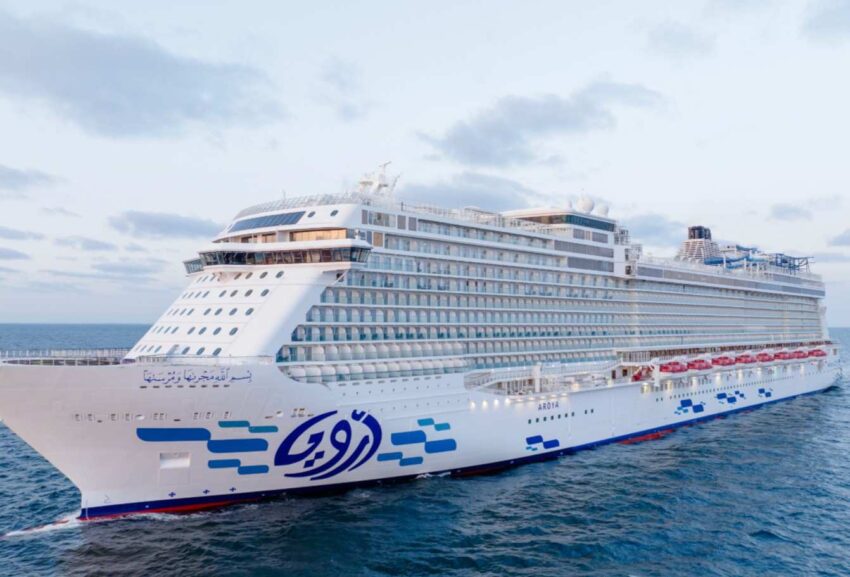
Aroya Manara, accommodating thirty-four hundred passengers across eighteen decks, delivers culturally attuned luxury with diverse dining and entertainment reflecting Arabian hospitality. All-inclusive non-alcoholic options and family zones cater to regional preferences, broadening tourism appeal for GCC residents and internationals. Itineraries vary from short getaways to week-long escapes, accommodating flexible travel patterns.
Onboard design emphasizes sustainability and efficiency, supporting Gulf-wide tourism goals for eco-conscious voyages. Such features position Aroya as a benchmark for halal-friendly cruising, drawing Muslim travelers to underrepresented Gulf routes and amplifying cultural tourism narratives.
Regional Collaboration Boost
Cruise Arabia Alliance formalizes partnerships among Dubai, Abu Dhabi, Oman, Bahrain, Saudi Arabia, and Qatar to enhance port connectivity and shared promotion. Oman’s inclusion of Muscat and Khasab exemplifies GCC synergy, with ministries celebrating expanded maritime potential. UAE entities highlight infrastructure upgrades to handle rising cruise volumes.
These efforts propel tourism integration, fostering unified standards for safety and guest experiences. By pooling resources, nations aim to attract major lines, solidifying the Arabian Gulf as a year-round destination amid global cruise resurgence.
Vision 2030 Alignment
Saudi Arabia’s initiative embodies Vision 2030 ambitions, channeling tourism as an economic driver beyond oil dependency. Cruise Saudi’s expansion signals maturity in regulatory oversight, mandating local registrations and compliance for operators. Neighboring governments mirror this through alliance pacts, ensuring balanced growth.
Tourism projections indicate sustained Gulf momentum, with Aroya Cruises pioneering routes that link heritage sites to modern marvels. This positions Dubai, Dammam, and peers as indispensable nodes in a burgeoning network, promising long-term visitor loyalty and investment inflows.
Future Gulf Cruise Outlook
Post-May 2026, expectations build for recurrent seasons, building on inaugural feedback to refine itineraries. Governments invest in port enhancements, anticipating doubled capacities to meet demand. Tourism stakeholders forecast compounded benefits, from culinary explorations to adventure excursions, embedding cruises in lifestyle travel.
The model sets precedents for sustainable maritime tourism, with alliances eyeing global marketing pushes. Arabian Gulf emerges stronger, its ports unified in a narrative of hospitality and innovation driving unparalleled tourism evolution.
Image Credit: AROYA Cruises
The post Dubai, Dammam, Abu Dhabi Lead Aroya Cruises Maiden Arabian Gulf Season Boosting Tourism Surge: What You Need to Know appeared first on Travel And Tour World.
Source: travelandtourworld.com



Sorry, the comment form is closed at this time.