


Dubai Joins Doha, Abu Dhabi, Riyadh, Muscat, Kuwait City, Beirut, Baghdad, Tehran, Tel Aviv, Istanbul, Cairo, Amman, Athens, Paris and London as 30,000 Flight Cancellations Disrupt Global Travel amid West Asia Conflicts : What to Do Now and Next
Dubai Joins Doha, Abu Dhabi, Riyadh, Muscat, Kuwait City, Beirut, Baghdad, Tehran, Tel Aviv, Istanbul, Cairo, Amman, Athens, Paris and London as 30,000 Flight Cancellations Disrupt Global Travel amid West Asia Conflicts : What to Do Now and Next
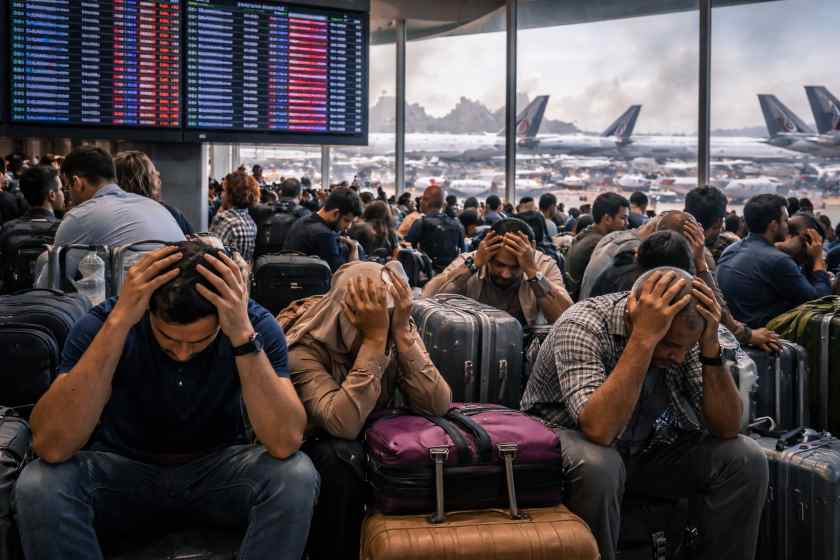
The ongoing crisis in West Asia has led to an unprecedented wave of flight cancellations, with over 30,000 flights grounded across the globe, severely disrupting travelers and tourism activities. Major international routes, particularly those connecting Europe, the Middle East, and Asia, have been hit hardest, leaving thousands of passengers stranded at airports across the Middle East. The ripple effects of this chaos are now being felt worldwide, with significant impacts on the tourism sector still recovering from the COVID-19 pandemic.
As the Middle East grapples with this crisis, key transportation hubs such as Dubai, Doha, and Abu Dhabi have seen massive delays, cancellations, and groundings of flights, stranding thousands of travelers who were either en route to or from popular destinations. For travelers planning to visit iconic cities like Dubai, Beirut, and other regional hotspots, the uncertainty of travel has cast a shadow over vacation plans and business travel.
Major Routes Affected: A Disrupted Travel Landscape
The current crisis has heavily impacted key air routes connecting the Middle East to Europe, Asia, and beyond. Airlines serving these regions have been forced to cancel or reroute flights, creating significant congestion in airports across the Middle East. Popular routes from major Middle Eastern hubs to cities like Paris, London, Frankfurt, and New York have been suspended or delayed indefinitely.
For travelers with upcoming flights to or from these regions, the situation is nothing short of chaotic. Airports in Dubai and Abu Dhabi, known for their efficiency, are now struggling to cope with the sheer volume of passengers left stranded, while passengers are dealing with long delays, unexpected rerouting, and limited customer service due to overwhelmed airline staff.
This has caused massive disruptions not just for business travelers but also for tourists. Popular destinations in the Middle East, including Dubai’s luxurious shopping malls and pristine beaches, have seen significant delays in tourism-related activities. Hotel bookings are being disrupted, and tourists who planned to visit the region’s historical and cultural sites are now uncertain about their itineraries.
Stranded Travelers and Tourism Slowdown in the Middle East
In the Middle East, tourism has taken a hard hit as the crisis continues to disrupt flight schedules. Dubai, one of the world’s most visited cities, known for its luxury tourism, shopping, and entertainment, has seen a sharp decline in incoming flights. With airports congested and flight schedules in disarray, many tourists are unsure when they will be able to continue their journey.
While Dubai remains a popular destination for travelers from around the globe, this wave of cancellations has affected not only leisure tourists but also business visitors attending trade fairs, conferences, and meetings. Travel disruptions are forcing airlines to limit connections to major European and Asian cities, significantly impacting the region’s ability to maintain its status as a prime global travel hub.
Meanwhile, neighboring Lebanon, which relies on tourism from Gulf countries, is also seeing a decline in visitor numbers. With Beirut’s Rafic Hariri International Airport also experiencing a surge in cancellations, passengers have faced challenges securing alternative travel options. The Lebanese capital, known for its vibrant culture, historical sites, and culinary tourism, is now grappling with a downturn in both leisure and business tourism.
How the Crisis is Impacting Global Tourism
The travel disruptions caused by the West Asia crisis have far-reaching consequences on global tourism. Popular destinations in Europe and Asia that are typically linked through Middle Eastern hubs are now feeling the ripple effect of these cancellations. Airports in major cities like London, Paris, and Frankfurt have reported delayed and re-routed flights, which further exacerbates travel uncertainty.
Tourist-dependent economies worldwide are seeing a significant setback, with inbound tourism stalling due to the chaos. Destinations that had anticipated a strong 2026 tourism rebound, especially in light of the global recovery from COVID-19, are now facing delays in booking cycles and uncertainty in tourism-related activities. Travel agencies are working overtime to assist stranded passengers, offering alternatives like train travel or connecting flights, though options remain limited.
For airlines, the cancellations also spell significant financial losses, adding strain to an already fragile industry. The timing of this disruption could not have come at a worse moment for international tourism, as it coincides with peak travel periods and important international events that had been anticipated to drive visitor numbers across Europe and Asia.
What Travelers Can Expect Going Forward
For travelers with plans to visit the Middle East or transit through the region, it’s crucial to stay informed about the latest updates from airlines and airport authorities. While some airlines, like Qatar Airways, have already started resuming limited flights to key European destinations, the full recovery of flight schedules is expected to take time. Airlines are prioritizing the resumption of high-demand routes, but there is still uncertainty about when normal flight operations will fully resume.
Passengers planning to travel in the coming days or weeks should check their flight status frequently and prepare for potential delays. For those whose flights have been canceled, airlines are offering rebooking options, but these are subject to availability and can be limited due to the ongoing chaos in the region.
As the situation unfolds, travel experts recommend that tourists remain flexible with their plans and stay in touch with their travel agencies or airlines for the most up-to-date information regarding their itineraries. While some flights are slowly resuming, the recovery of the global travel network will be gradual, and passengers may face extended waiting times.
The Long-Term Outlook for Middle Eastern Tourism
While the immediate impacts of the crisis have severely disrupted tourism in the Middle East, the region is likely to recover in the long term. Middle Eastern destinations like Dubai, Abu Dhabi, and Beirut have long been resilient, bouncing back from previous challenges. With the eventual stabilization of flight schedules and the end of the crisis, tourism will resume, albeit slowly.
However, the ongoing disruptions highlight the need for greater resilience in the global tourism industry. Travel companies, airlines, and airports in the region will have to work together to restore confidence in the sector, ensuring that tourists feel safe and that their journeys are as smooth as possible.
Conclusion: A Challenging Path Forward
As over 30,000 flights remain grounded and thousands of travelers continue to wait for news of their flights, the ongoing crisis in West Asia has created a significant roadblock for global tourism. While the situation is expected to improve gradually, the impacts on Middle Eastern tourism—especially in cities like Dubai, Beirut, and Abu Dhabi—are far-reaching. For travelers, flexibility, patience, and constant communication with airlines will be key as they navigate this turbulent period in international travel.
The post Dubai Joins Doha, Abu Dhabi, Riyadh, Muscat, Kuwait City, Beirut, Baghdad, Tehran, Tel Aviv, Istanbul, Cairo, Amman, Athens, Paris and London as 30,000 Flight Cancellations Disrupt Global Travel amid West Asia Conflicts : What to Do Now and Next appeared first on Travel And Tour World.
Source: travelandtourworld.com



Sorry, the comment form is closed at this time.